google.com, pub-2032008856654686, DIRECT, f08c47fec0942fa0

What Is The Difference Between Microneedling And BB Glow?

Introduction

Microneedling and BB Glow are both popular skincare treatments that promise to improve the appearance of the skin. However, they are not the same. In this article, I will break down the key differences between microneedling and BB Glow to help you understand which treatment may be best suited for your skincare needs.

Understanding Microneedling

Microneedling, also known as collagen induction therapy, is a minimally invasive procedure that involves using a device with fine needles to create tiny punctures in the top layer of the skin. These micro-injuries stimulate the body’s natural healing process, leading to increased collagen and elastin production, which helps improve the texture and overall appearance of the skin.

Understanding BB Glow

BB Glow, on the other hand, is a semi-permanent makeup procedure that involves injecting a tinted serum into the superficial layers of the skin. This serum contains ingredients such as hyaluronic acid, peptides, and vitamins that aim to even out skin tone, brighten complexion, and provide a subtle foundation-like coverage.

Key Differences

Now that we understand the basics of microneedling and BB Glow, let’s delve into the key differences between the two treatments.

Treatment Purpose

Microneedling is primarily used to address a variety of skin concerns, including acne scars, fine lines and wrinkles, enlarged pores, and hyperpigmentation. It is also effective in improving overall skin texture and tone.

On the other hand, BB Glow is more focused on providing immediate skin brightening and coverage. It is often used to even out skin tone, reduce redness, and create a radiant complexion. BB Glow is a popular choice for individuals looking for a quick fix or makeup-like results without having to apply daily foundation.

Procedure Technique

Microneedling involves using a device with fine needles that penetrate the skin vertically to create controlled micro-injuries. These tiny punctures trigger the skin’s natural healing process, leading to collagen and elastin production, as well as increased skin cell turnover.

BB Glow, on the other hand, is a gentle procedure that involves using a specialized BB Glow serum and a microneedling device to inject the serum into the skin. The serum is tinted, which provides immediate coverage and brightening effect. BB Glow is less invasive compared to traditional microneedling and is often seen as a safer, more gentle option for those looking for skin enhancement.

Expected Results

The results of microneedling are more long-term and require patience as collagen and elastin production take time to reach peak levels. Most individuals see noticeable improvements in their skin texture, tone, and overall appearance within a few weeks to months after the initial treatment. Multiple sessions are usually recommended for optimal results.

In contrast, BB Glow provides immediate results, with most individuals noticing a brighter, more even complexion right after the procedure. However, these results are temporary and may begin to fade after a few weeks as the tinted serum disperses and the skin naturally sheds. Regular touch-ups are often recommended to maintain the desired effect.

Suitability for Different Skin Concerns

Microneedling is a versatile treatment that can be customized to address a wide range of skin concerns, making it suitable for individuals with acne scars, wrinkles, hyperpigmentation, and other texture-related issues. It is also effective for improving overall skin quality and stimulating collagen and elastin production.

BB Glow, on the other hand, is more limited in its benefits and is best suited for individuals looking to achieve immediate skin brightening and coverage. It is ideal for those with dull skin, redness, and uneven skin tone who want to achieve a radiant complexion without the need for daily makeup application.

BB Glow Microneedling

Choosing the Right Treatment

When deciding between microneedling and BB Glow, it is essential to consider your specific skin concerns, desired results, and lifestyle preferences.

If You Want Long-Term Improvement:

If you are looking to address deeper skin issues such as acne scars, wrinkles, and hyperpigmentation, microneedling may be the better option for you. While the results may take longer to appear, microneedling offers lasting improvements in skin texture, tone, and overall quality.

If You Seek Immediate Results:

If you are interested in achieving immediate skin brightening, coverage, and a radiant complexion, BB Glow may be the right choice for you. This treatment is perfect for special occasions or individuals who want a quick fix without the commitment of daily makeup application.

If You Have Sensitive Skin:

If you have sensitive skin or are worried about the potential side effects of microneedling, BB Glow may be a gentler alternative for you. The procedure is less invasive and is unlikely to cause significant discomfort or downtime compared to traditional microneedling.

Consultation with a Skincare Professional

Ultimately, the best way to determine which treatment is right for you is to consult with a skincare professional who can assess your skin concerns, goals, and expectations. They can provide personalized recommendations based on your unique needs and help you decide whether microneedling or BB Glow is the most suitable option for achieving your desired results.

Conclusion

In conclusion, microneedling and BB Glow are both effective skincare treatments that offer unique benefits and results. While microneedling is more focused on long-term improvements in skin quality and texture, BB Glow provides immediate skin brightening and coverage. Understanding the key differences between the two treatments can help you make an informed decision about which option is best suited for your skincare needs. Remember to consult with a skincare professional to explore your options and create a treatment plan that aligns with your skincare goals.
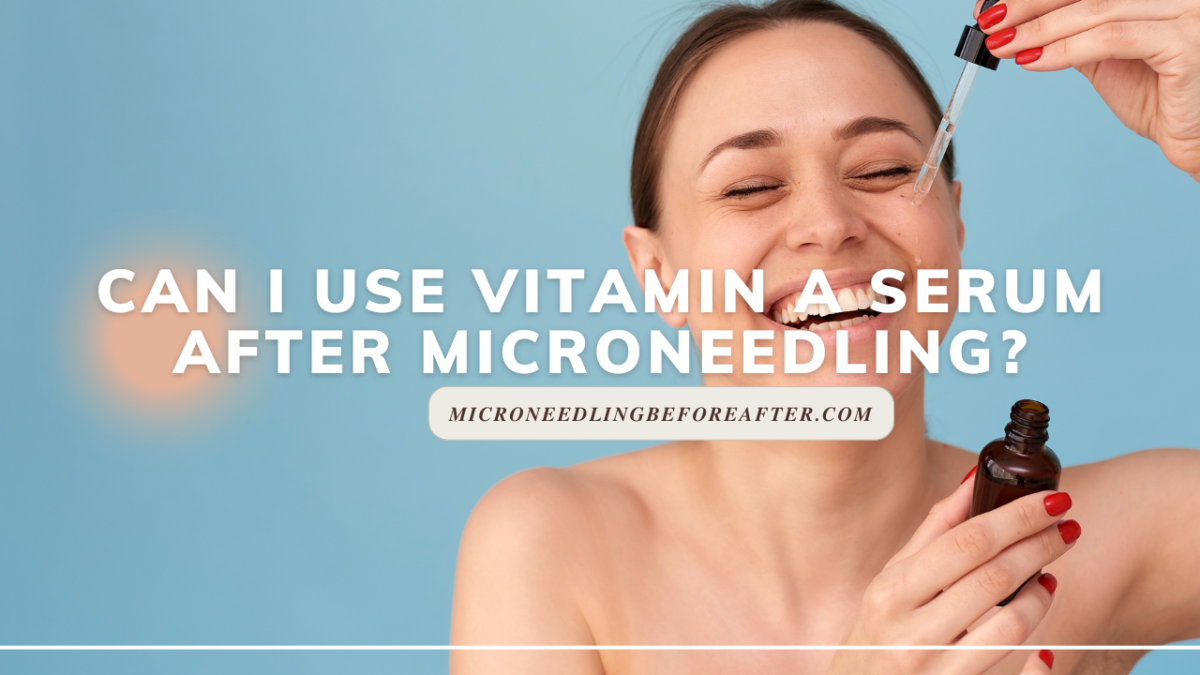
Can I Use Vitamin A Serum After Microneedling?

When it comes to skincare routines, the combination of microneedling and vitamin A serum is becoming increasingly popular. But can you use vitamin A serum immediately after microneedling? In this article, I will provide detailed information on the benefits and risks of incorporating vitamin A serum into your post-microneedling skincare regimen.

Understanding Microneedling

Microneedling, also known as collagen induction therapy, is a cosmetic procedure that involves the use of small, fine needles to create tiny punctures in the skin. These micro-injuries stimulate the skin’s natural healing process, promoting the production of collagen and elastin. Microneedling can improve the appearance of fine lines, wrinkles, acne scars, hyperpigmentation, and overall skin texture.

The Science behind Microneedling

Microneedling works by triggering the skin’s healing response. The controlled injury caused by the tiny needles stimulates the production of collagen and elastin, which are essential for maintaining the skin’s firmness and elasticity. As the skin heals, new skin cells are generated, resulting in smoother, more youthful-looking skin.

Benefits of Using Vitamin A Serum

Vitamin A, also known as retinol, is a potent ingredient that offers a wide range of benefits for the skin. When used topically, vitamin A can help improve skin texture, reduce the appearance of fine lines and wrinkles, and promote overall skin health. Incorporating vitamin A serum into your skincare routine can enhance the results of microneedling and support the skin’s healing process.

How Vitamin A Works

Vitamin A is a powerful antioxidant that can help neutralize free radicals, which can cause damage to the skin cells. It also promotes cell turnover, which can help improve the skin’s texture and tone. By stimulating collagen production, vitamin A can help reduce the appearance of wrinkles and fine lines, giving the skin a more youthful appearance.

Can I Use Vitamin A Serum After Microneedling?

After undergoing a microneedling treatment, it is crucial to follow the post-care instructions provided by your skincare professional. In general, it is safe to use vitamin A serum after microneedling, but there are a few important considerations to keep in mind.

Timing is Key

It is recommended to wait at least 24 hours after microneedling before applying vitamin A serum to the skin. This waiting period allows the skin to heal and reduces the risk of irritation or inflammation. Starting vitamin A serum too soon after microneedling can increase the likelihood of adverse reactions, such as redness, peeling, or sensitivity.

Patch Test

Before applying vitamin A serum to the entire face, it is advisable to perform a patch test to determine how the skin will react. Apply a small amount of the serum to a discreet area, such as the jawline, and monitor the skin for any signs of redness, itching, or irritation. If no adverse reactions occur, it is safe to use the serum on the rest of the face.

Consult with a Professional

If you have any concerns about using vitamin A serum after microneedling, it is best to consult with your skincare professional. They can provide personalized recommendations based on your skin type, tolerance to active ingredients, and the specific microneedling treatment you received. Your skincare professional can also recommend the appropriate concentration of vitamin A serum for your skincare goals.

Microneedling Certification

Tips for Using Vitamin A Serum After Microneedling

To maximize the benefits of vitamin A serum after microneedling, it is essential to use the product correctly. Here are some tips to consider when incorporating vitamin A serum into your post-microneedling skincare routine.

Start Slow

If you are new to using vitamin A serum, it is essential to start slow and gradually increase the frequency of application. Begin by using the serum once or twice a week and then gradually increase to every other night, depending on how your skin responds. This gradual approach can help minimize the risk of irritation or skin sensitivity.

Use Sun Protection

Vitamin A can increase the skin’s sensitivity to sunlight, making it more prone to sun damage. It is crucial to use a broad-spectrum sunscreen with SPF 30 or higher to protect the skin from harmful UV rays. Apply sunscreen daily, even on cloudy days, to prevent sunburn, premature aging, and other skin damage.

Hydrate the Skin

Vitamin A serum can be drying to the skin, especially if you are using a high concentration of retinol. To prevent dryness and irritation, it is essential to hydrate the skin with a moisturizer that is suitable for your skin type. Look for a moisturizer that contains hydrating ingredients, such as hyaluronic acid or ceramides, to maintain the skin’s moisture barrier.

Potential Risks of Using Vitamin A Serum After Microneedling

While using vitamin A serum after microneedling can offer numerous benefits for the skin, there are some potential risks to consider. It is essential to be aware of these risks and take the necessary precautions to minimize them.

Skin Irritation

Vitamin A serum, particularly those with higher concentrations of retinol, can cause skin irritation, redness, peeling, or sensitivity. These side effects are more likely to occur if the serum is applied too soon after microneedling or if the skin is not adequately hydrated. If you experience any adverse reactions, discontinue the use of the serum and consult with your skincare professional.

Increased Sensitivity

Microneedling can increase the skin’s sensitivity, making it more vulnerable to active ingredients in skincare products. Using vitamin A serum immediately after microneedling can exacerbate this sensitivity and lead to irritation or inflammation. It is essential to wait until the skin has fully healed before introducing vitamin A serum into your skincare routine.

Over-Exfoliation

Vitamin A serum has exfoliating properties that can help improve the skin’s texture and tone. However, using vitamin A serum too frequently or in combination with other exfoliating products, such as scrubs or acids, can lead to over-exfoliation. Over-exfoliation can compromise the skin’s barrier function, resulting in redness, irritation, or increased sensitivity. It is essential to use vitamin A serum as directed and avoid overdoing it.

Conclusion

In conclusion, using vitamin A serum after microneedling can be beneficial for improving the skin’s texture, reducing the appearance of wrinkles, and promoting overall skin health. By following the guidelines provided in this article, you can safely incorporate vitamin A serum into your post-microneedling skincare routine and achieve glowing, youthful-looking skin. Remember to be patient, start slow, and listen to your skin’s needs to ensure a successful and effective skincare regimen. If you have any concerns or questions about using vitamin A serum after microneedling, do not hesitate to consult with your skincare professional for personalized recommendations and guidance.

How Often Should I Microneedle My Face?

Microneedling has become a popular skincare treatment that can help improve the appearance of scars, wrinkles, and overall skin texture. But how often should you actually be microneedling your face to see the best results? In this article, I will provide you with a professional guide on the recommended frequency of microneedling sessions for optimal outcomes.

Understanding Microneedling

Microneedling, also known as collagen induction therapy, is a minimally invasive cosmetic procedure that involves the use of fine needles to create tiny punctures in the skin. These micro-injuries stimulate the body’s natural healing process, triggering the production of new collagen and elastin. As a result, microneedling can help improve skin texture, reduce the appearance of scars, and enhance overall skin tone.

Benefits of Microneedling

Microneedling offers a wide range of benefits for the skin, making it a popular treatment choice for individuals looking to improve their overall complexion. Some of the key advantages of microneedling include:

  • Stimulates collagen production
  • Improves skin texture and tone
  • Reduces the appearance of scars and fine lines
  • Enhances the absorption of skincare products

By understanding the benefits of microneedling, you can better appreciate why this treatment is regarded as an effective way to rejuvenate the skin.

How Often Should I Microneedle My Face?

One of the most common questions among individuals considering microneedling is how often they should undergo treatment to achieve optimal results. The frequency of microneedling sessions will vary depending on the individual’s skin type, age, and desired outcomes.

Professional Recommendation

As a professional in the skincare industry, I recommend spacing out microneedling sessions every 4 to 6 weeks for most individuals. This timeframe allows the skin to fully heal and regenerate between treatments, ensuring that you see noticeable improvements with each session.

Skin Type Considerations

It’s essential to consider your skin type when determining how often you should microneedle your face. For individuals with sensitive skin, it may be best to wait closer to 6 weeks between treatments to avoid overstimulating the skin. On the other hand, those with more resilient skin may benefit from more frequent sessions every 4 weeks to maintain results.

Expected Results

When deciding on the frequency of microneedling, it’s essential to have realistic expectations regarding the results you hope to achieve. While some individuals may see improvements in skin texture and tone after just one session, a series of treatments is typically required for more significant changes.

Aftercare Tips for Microneedling

Proper aftercare is crucial to ensure the best results from your microneedling treatments. By following these professional tips, you can promote skin healing and enhance the overall effectiveness of the procedure.

Avoid Sun Exposure

After microneedling, it’s vital to protect your skin from the sun’s harmful UV rays. Be sure to wear sunscreen with at least SPF 30 and limit your time outdoors to prevent sun damage and pigmentation issues.

Moisturize Regularly

Hydrating and moisturizing the skin is essential post-microneedling to keep the skin barrier intact and promote healing. Use a gentle, hydrating moisturizer to soothe and nourish the skin after treatment.

Avoid Harsh Skincare Products

Refrain from using harsh skincare products, such as exfoliants or acids, immediately after microneedling. These products can irritate the skin and hinder the healing process, leading to potential complications.

Follow Up with Your Skincare Professional

Consult with your skincare professional or dermatologist for personalized aftercare recommendations following your microneedling session. They can provide specific advice based on your skin type and individual needs to ensure optimal results.

Potential Side Effects of Microneedling

While microneedling is generally a safe and effective procedure, there are potential side effects that individuals should be aware of before undergoing treatment. By understanding these risks, you can make an informed decision about whether microneedling is right for you.

Temporary Redness

It’s common to experience redness and mild swelling immediately after microneedling, which typically subsides within a few days. This side effect is a normal part of the skin’s healing process and should not cause concern.

Skin Sensitivity

Following microneedling, your skin may be more sensitive to certain skincare products or ingredients. Avoid using harsh or abrasive products that could irritate the skin and opt for gentle, soothing formulations instead.

Risk of Infection

Proper hygiene and aftercare are essential to prevent the risk of infection after microneedling. Follow your skincare professional’s instructions carefully and avoid touching or picking at the treated area to minimize the chance of complications.

Pigmentation Changes

In rare cases, microneedling can trigger temporary changes in skin pigmentation, leading to darkening or lightening of the skin. These effects are usually temporary and can be managed with appropriate skincare and sun protection.

Customized Treatment Plans

To determine the ideal frequency of microneedling sessions for your skin, consider consulting with a skincare professional or dermatologist for a personalized treatment plan. By assessing your skin type, concerns, and goals, they can recommend a tailored approach to help you achieve the best possible results.

Conclusion

In conclusion, finding the right balance and frequency for microneedling your face is key to achieving the desired outcomes while minimizing the risk of adverse effects. By following professional recommendations, practicing proper aftercare, and consulting with skincare experts, you can optimize the benefits of microneedling for healthier, rejuvenated skin. Remember that consistency and patience are essential when undergoing microneedling treatments, as long-lasting results often require multiple sessions spaced out over time. If you’re considering microneedling, be sure to do thorough research, seek reputable skincare professionals, and prioritize your skin’s health and well-being.

en_USEnglish