Microneedling and BB Glow are both popular skincare treatments that promise to improve the appearance of the skin. However, they are not the same. In this article, I will break down the key differences between microneedling and BB Glow to help you understand which treatment may be best suited for your skincare needs.
Understanding Microneedling
Microneedling, also known as collagen induction therapy, is a minimally invasive procedure that involves using a device with fine needles to create tiny punctures in the top layer of the skin. These micro-injuries stimulate the body’s natural healing process, leading to increased collagen and elastin production, which helps improve the texture and overall appearance of the skin.
Understanding BB Glow
BB Glow, on the other hand, is a semi-permanent makeup procedure that involves injecting a tinted serum into the superficial layers of the skin. This serum contains ingredients such as hyaluronic acid, peptides, and vitamins that aim to even out skin tone, brighten complexion, and provide a subtle foundation-like coverage.
Key Differences
Now that we understand the basics of microneedling and BB Glow, let’s delve into the key differences between the two treatments.
On the other hand, BB Glow is more focused on providing immediate skin brightening and coverage. It is often used to even out skin tone, reduce redness, and create a radiant complexion. BB Glow is a popular choice for individuals looking for a quick fix or makeup-like results without having to apply daily foundation.
Procedure Technique
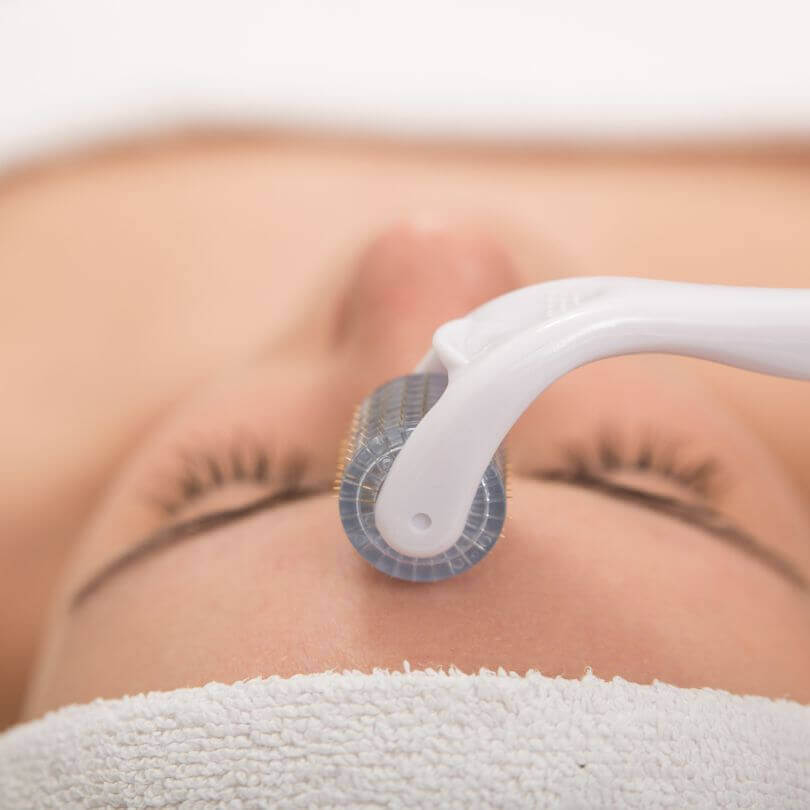
Microneedling involves using a device with fine needles that penetrate the skin vertically to create controlled micro-injuries. These tiny punctures trigger the skin’s natural healing process, leading to collagen and elastin production, as well as increased skin cell turnover.
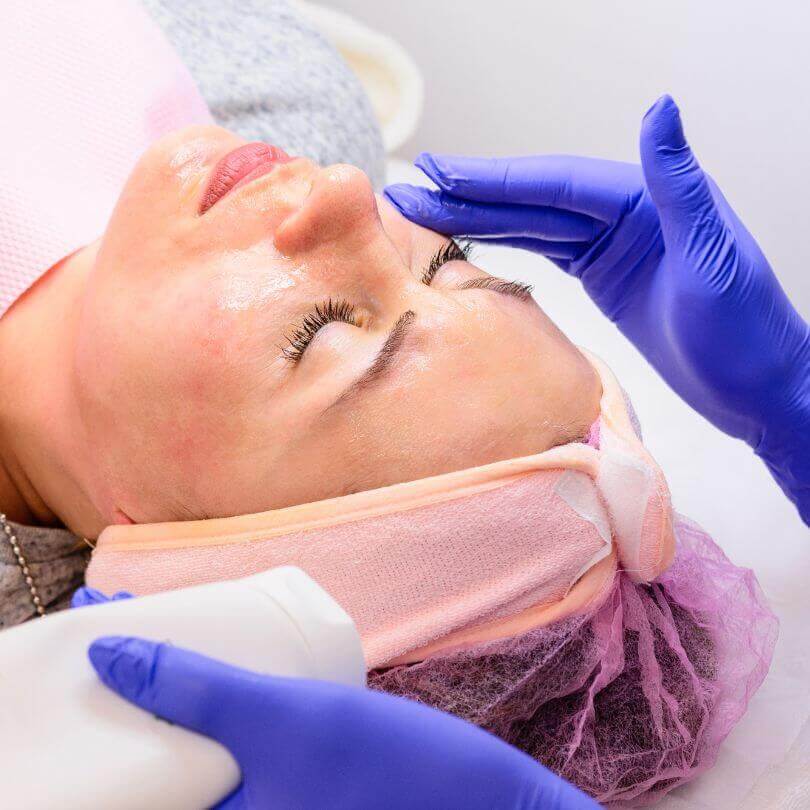
BB Glow, on the other hand, is a gentle procedure that involves using a specialized BB Glow serum and a microneedling device to inject the serum into the skin. The serum is tinted, which provides immediate coverage and brightening effect. BB Glow is less invasive compared to traditional microneedling and is often seen as a safer, more gentle option for those looking for skin enhancement.
Expected Results
The results of microneedling are more long-term and require patience as collagen and elastin production take time to reach peak levels. Most individuals see noticeable improvements in their skin texture, tone, and overall appearance within a few weeks to months after the initial treatment. Multiple sessions are usually recommended for optimal results.
In contrast, BB Glow provides immediate results, with most individuals noticing a brighter, more even complexion right after the procedure. However, these results are temporary and may begin to fade after a few weeks as the tinted serum disperses and the skin naturally sheds. Regular touch-ups are often recommended to maintain the desired effect.
Suitability for Different Skin Concerns
Microneedling is a versatile treatment that can be customized to address a wide range of skin concerns, making it suitable for individuals with acne scars, wrinkles, hyperpigmentation, and other texture-related issues. It is also effective for improving overall skin quality and stimulating collagen and elastin production.
BB Glow, on the other hand, is more limited in its benefits and is best suited for individuals looking to achieve immediate skin brightening and coverage. It is ideal for those with dull skin, redness, and uneven skin tone who want to achieve a radiant complexion without the need for daily makeup application.
Choosing the Right Treatment
When deciding between microneedling and BB Glow, it is essential to consider your specific skin concerns, desired results, and lifestyle preferences.
If You Want Long-Term Improvement:
If you are looking to address deeper skin issues such as acne scars, wrinkles, and hyperpigmentation, microneedling may be the better option for you. While the results may take longer to appear, microneedling offers lasting improvements in skin texture, tone, and overall quality.
If You Seek Immediate Results:
If you are interested in achieving immediate skin brightening, coverage, and a radiant complexion, BB Glow may be the right choice for you. This treatment is perfect for special occasions or individuals who want a quick fix without the commitment of daily makeup application.
If You Have Sensitive Skin:
If you have sensitive skin or are worried about the potential side effects of microneedling, BB Glow may be a gentler alternative for you. The procedure is less invasive and is unlikely to cause significant discomfort or downtime compared to traditional microneedling.
Consultation with a Skincare Professional
Ultimately, the best way to determine which treatment is right for you is to consult with a skincare professional who can assess your skin concerns, goals, and expectations. They can provide personalized recommendations based on your unique needs and help you decide whether microneedling or BB Glow is the most suitable option for achieving your desired results.
Conclusion
In conclusion, microneedling and BB Glow are both effective skincare treatments that offer unique benefits and results. While microneedling is more focused on long-term improvements in skin quality and texture, BB Glow provides immediate skin brightening and coverage. Understanding the key differences between the two treatments can help you make an informed decision about which option is best suited for your skincare needs. Remember to consult with a skincare professional to explore your options and create a treatment plan that aligns with your skincare goals.
Discover how many microneedling sessions are needed to fade away acne scars. Get valuable insights and guidance in this informative post.
When it comes to treating stubborn acne scars, microneedling has emerged as a popular and effective solution. But how many sessions of microneedling are necessary to achieve noticeable results? If you’re eager to bid farewell to those imperfections, you’ll be pleased to know that this article will provide you with valuable insights and guidance on determining the optimal number of microneedling sessions required to fade away those pesky acne scars. So, get ready to discover the journey towards flawless skin!
Understanding Microneedling for Acne Scars
Microneedling is a popular and effective treatment method for acne scars. It involves the use of a device with tiny needles to create small punctures in the skin’s surface. These micro-injuries stimulate the body’s natural healing process, leading to the production of collagen and elastin, which helps in improving the appearance of acne scars.
What is Microneedling?
Microneedling, also known as collagen induction therapy, is a minimally invasive procedure that aims to improve the texture and appearance of the skin. The procedure is performed using a device called a derma roller or microneedling pen, which contains tiny needles. These needles create controlled injuries in the skin, prompting the body to produce more collagen and regenerate new skin cells.
How does Microneedling Work?
Microneedling works by creating micro-injuries in the skin, which trigger the body’s natural healing response. When the needles penetrate the skin, they break up scar tissue and stimulate the production of collagen, a protein that helps in skin regeneration. As the skin heals, it becomes smoother and more evenly toned, reducing the appearance of acne scars.
Why is Microneedling Effective for Acne Scars?
Microneedling is particularly effective for acne scars due to its ability to address the underlying cause of the scarring. Acne scars occur when the skin’s natural healing process is disrupted during the inflammatory response to acne. By stimulating collagen production and promoting skin regeneration, microneedling helps to minimize the appearance of scars and improve overall skin texture.
Factors Affecting the Number of Microneedling Sessions
The severity of your acne scars plays a significant role in determining the number of microneedling sessions needed. Deeper and more extensive scars may require more sessions to achieve satisfactory results.
Skin Type and Condition
The type and condition of your skin can also impact the number of microneedling sessions needed. Different skin types respond differently to treatment, and certain skin conditions may require additional sessions for optimal results.
Individual Healing Response
Every individual’s healing response is unique, and this can affect the number of sessions required for successful scar improvement. Some individuals may heal and regenerate skin cells more quickly, while others may require additional sessions for noticeable improvement.
Overall Health
Your overall health can also influence the number of microneedling sessions needed. A healthy lifestyle, proper nutrition, and good skincare routine can contribute to better healing and more successful results.
Consulting with a Dermatologist
Before undergoing microneedling for acne scars, it is crucial to consult with a qualified dermatologist. They will evaluate your skin condition, discuss your treatment goals, and develop a customized treatment plan tailored to your specific needs.
Importance of Professional Evaluation
A professional evaluation is essential to determine the suitability of microneedling for your acne scars. A dermatologist’s expertise will help assess the severity of your scars, identify any underlying skin conditions, and recommend the most appropriate treatment approach.
Customized Treatment Plan
Based on their evaluation, a dermatologist will create a customized treatment plan that takes into account the specific characteristics of your acne scars and your individual needs. This ensures that you receive the most effective treatment and the best possible results.
Determining the Number of Sessions
During your consultation, the dermatologist will discuss the estimated number of microneedling sessions required to achieve your desired outcome. This will depend on factors such as the severity of your acne scars, your skin’s response to treatment, and your overall health. The dermatologist may also adjust the treatment plan as necessary based on your progress and response to treatment.
Typical Range of Microneedling Sessions
The number of microneedling sessions needed for acne scars can vary from person to person. However, there is a typical range that can serve as a guideline.
Minimum Number of Sessions
The minimum number of microneedling sessions for acne scars is usually around 3-4 sessions. This number allows for significant improvement in the appearance of scars and the overall texture of the skin. However, individual factors and scar severity may require additional sessions.
Average Number of Sessions
The average number of microneedling sessions for acne scars typically ranges from 4-6 sessions. This range is often sufficient to achieve noticeable improvement in scar appearance and skin texture. However, it is important to remember that each individual’s response to treatment may vary.
Maximum Number of Sessions
In some cases, more severe acne scars may require a higher number of microneedling sessions. The maximum number of sessions can vary but usually does not exceed 10-12 sessions. Beyond this point, the benefits of microneedling may become limited, and alternative treatment options may be considered.
Monitoring Progress and Results
Throughout the course of your microneedling sessions, it is crucial to monitor your progress and evaluate the results.
Tracking Scar Improvement
Regularly track the improvement of your acne scars to determine the effectiveness of microneedling. Take photographs before and after each session to compare the changes visually. This will help you and your dermatologist assess the progress made and make any necessary adjustments to the treatment plan.
Evaluating Response to Treatment
Pay attention to how your skin responds to each microneedling session. Take note of any changes in scar appearance, skin texture, and overall complexion. This will enable you to communicate effectively with your dermatologist and ensure that the treatment is on track.
Adjusting Number of Sessions
Based on the evaluation of your progress and response to treatment, your dermatologist may recommend adjusting the number of microneedling sessions. This flexibility allows for a personalized approach catered to your individual needs, ensuring the best possible outcomes.
Interval Between Microneedling Sessions
The interval between microneedling sessions is another crucial factor to consider for optimal results and proper skin healing.
Recommended Timeframe
The recommended timeframe between microneedling sessions is typically 4-6 weeks. This allows adequate time for the skin to heal, regenerate, and reap the benefits of the previous session before undergoing the next one.
Allowing Skin Healing
The skin needs time to heal and rebuild collagen after each microneedling session. Rushing into subsequent sessions without allowing enough healing time can hinder the effectiveness of the treatment and increase the risk of complications. It is important to be patient and adhere to the recommended timeframe.
Avoiding Over-Exfoliation
Over-exfoliation can be harmful to the skin, especially after microneedling. It is crucial to avoid any additional exfoliating treatments or harsh skincare products between sessions. This allows the skin to recover properly and ensures that the microneedling treatment can work its magic.
Microneedling creates microscopic channels in the skin, which allows for better absorption of topical treatments. Applying clinically proven skincare products after microneedling can deliver active ingredients directly to the deeper layers of the skin, maximizing their effectiveness in scar reduction.
Additional Procedures for Scar Reduction
In certain cases, your dermatologist may recommend combining microneedling with other procedures such as laser therapy or chemical peels. These additional treatments can provide complementary effects and further improve the appearance of acne scars.
Frequency of Maintenance Sessions
After completing the recommended number of microneedling sessions, maintenance sessions may be necessary to prevent the recurrence of acne scars.
Preventing Scar Reappearance
Maintenance sessions can help prevent the reappearance of acne scars and maintain the results achieved through microneedling. These sessions are typically spaced further apart, with intervals ranging from 3-6 months, depending on individual factors and scar severity.
Long-term Maintenance Plan
Developing a long-term maintenance plan in collaboration with your dermatologist is important for sustained improvement in scar appearance. This may involve periodic microneedling sessions or other treatments tailored to your specific needs, ensuring that your skin remains healthy and smooth in the long run.
Preparation and Aftercare
Proper preparation and aftercare are crucial to optimize the results of microneedling and promote efficient healing.
Skin Preparation Guidelines
Before undergoing microneedling, follow your dermatologist’s guidelines for skin preparation. This may involve avoiding certain skincare products or treatments that could interfere with the procedure. Follow a gentle cleansing and moisturizing routine to ensure the skin is in the best possible condition for treatment.
Post-Treatment Care Instructions
After microneedling, it is essential to follow your dermatologist’s post-treatment care instructions. This includes avoiding direct sun exposure, wearing SPF, and using gentle skincare products. It is also important to keep the skin moisturized and hydrated to aid in the healing process and maximize the results.
Microneedling Sessions for Different Types of Acne Scars
Different types of acne scars may require varying approaches and treatment plans. Here are some key considerations for specific scar types:
Rolling Scars
Rolling scars are characterized by shallow indentations and a wave-like appearance. Microneedling can help stimulate collagen production and improve the overall texture of the skin, making rolling scars less noticeable over time.
Boxcar Scars
Boxcar scars are wider and deeper than rolling scars, with defined edges. Microneedling can help smooth out the edges of boxcar scars and promote collagen production, gradually reducing their appearance.
Ice Pick Scars
Ice pick scars are deep, narrow scars that resemble small puncture marks. Microneedling can stimulate collagen production and help fill in the indentations caused by ice pick scars, leading to a more even skin surface.
Hypertrophic Scars
Hypertrophic scars are raised scars that may be red or pink in color. Microneedling can help break up scar tissue, improve collagen production, and reduce the height and redness of hypertrophic scars over time.
Keloid Scars
Keloid scars are thick, raised scars that extend beyond the boundaries of the original injury. Microneedling can help flatten and soften keloid scars, but caution must be exercised as the treatment may stimulate additional collagen production in some individuals.
In conclusion, microneedling is a highly effective treatment option for reducing the appearance of acne scars. The number of sessions required depends on various factors, including scar severity, skin type, individual healing response, and overall health. Consulting with a dermatologist is essential to ensure personalized evaluation, treatment planning, and monitoring of progress. Proper preparation, aftercare, and maintenance sessions are crucial for optimal results, and combining microneedling with other treatments can enhance the scar reduction process. With the right approach and guidance, microneedling can provide significant improvement in acne scars and help you achieve smoother, more radiant skin.




 English
  Spanish