
google.com, pub-2032008856654686, DIRECT, f08c47fec0942fa0

What To Expect After Microneedling?

Discover the post-microneedling journey filled with benefits for your skin. From reduced lines and improved texture to a rejuvenated complexion and increased radiance, this article guides you on what to expect after microneedling. Embrace the transformative effects and enjoy a renewed version of yourself!

So you’ve just had a microneedling treatment done, and now you’re wondering what comes next? Well, prepare yourself for a post-microneedling journey that is filled with incredible benefits and a rejuvenated complexion. From reduced fine lines and wrinkles to improved skin texture and tone, this article will guide you on what to expect after microneedling and help you navigate the exciting results that lie ahead. Get ready to embrace a renewed and refreshed version of yourself!

Skin Redness and Inflammation

Temporary redness

After undergoing microneedling, one of the common side effects you may experience is temporary redness in the treated area. This redness is a result of the micro-injuries created by the tiny needles used during the procedure. The redness typically lasts for a few hours or up to a couple of days, depending on the individual’s skin sensitivity.

Swelling

Along with the temporary redness, you may also notice some swelling in the treated area. This swelling is a natural response of the body to the micro-injuries caused by the microneedling process. It is important to note that the swelling usually subsides within a few days, allowing you to fully enjoy the benefits of microneedling.

Possible itching

In some cases, you may experience itching in the treated area post-microneedling. This itchiness is a common side effect that occurs as the skin goes through the healing process. However, it is crucial not to scratch or rub the area, as this can aggravate the skin and potentially lead to complications. Instead, follow the aftercare instructions provided by your skincare professional to ensure optimal healing and minimize any discomfort.

Skin Sensitivity

Increased sensitivity to skincare products

Following microneedling, your skin may become more sensitive to skincare products. This increased sensitivity is due to the micro-injuries that the procedure induces, making your skin more receptive to the ingredients in skincare products. It is important to choose gentle, non-irritating products to avoid any adverse reactions. Consult with your skincare specialist to determine which products are best suited for your post-microneedling skincare routine.

Potential dryness or flakiness

Another common effect of microneedling is temporary dryness or flakiness in the treated area. This occurs as the skin repairs itself and sheds any dead skin cells. It is crucial to keep your skin hydrated by using moisturizers or serums recommended by your skincare professional. These products can help soothe dryness and promote healthy skin regeneration, ensuring a smooth and radiant complexion.

What To Expect After Microneedling?

Skin Tightness

Feeling of tightness

After microneedling, it is normal to experience a temporary feeling of tightness in the treated area. This sensation occurs due to the stimulation of collagen production, which helps to improve the overall texture and elasticity of the skin. Embrace the feeling of tightness as a sign that the microneedling process is working to promote healthier, firmer skin.

Possible mild discomfort

While microneedling is generally a well-tolerated procedure, you may experience mild discomfort during and after the treatment. The sensation can vary from person to person, with some individuals describing it as a tingling or pricking feeling. Don’t worry, though, as any discomfort should subside within a short period of time, leaving you with the desired results of microneedling.

Peeling and Dryness

Dryness and flakiness

You may notice some dryness and flakiness in the treated area after microneedling. This is a natural part of the skin’s healing process and occurs as the top layer of skin renews itself. It is crucial to avoid picking or peeling the skin, as this can disrupt the healing process and potentially lead to skin damage or infections. Instead, use gentle cleansers and moisturizers to keep your skin hydrated and promote healthy skin cell turnover.

Mild peeling of the skin

As your skin regenerates, you may experience mild peeling in the treated area. This peeling is a positive sign that the microneedling treatment has stimulated the renewal process, leading to the shedding of old and damaged skin cells. Embrace this phase as your skin rejuvenates itself, revealing a more radiant and refreshed complexion.

What To Expect After Microneedling?

Skin Discoloration

Temporary skin discoloration

It is not uncommon to notice temporary skin discoloration following a microneedling treatment. The discoloration may appear as a slight change in skin tone or red or brown patches in the treated area. This is a normal reaction and is usually a result of the increased blood flow and healing response triggered by microneedling. The skin discoloration typically fades within a few days or weeks, revealing a more even and rejuvenated complexion.

Possible appearance of small bruises

In some cases, you may notice the appearance of small bruises after microneedling. These bruises are typically mild and occur as a result of the micro-injuries induced during the treatment. The bruising usually subsides on its own within a week or so. If you are concerned about the bruises, consult with your skincare professional for appropriate guidance and reassurance.

Appearance of Fine Puncture Marks

Temporary presence of tiny puncture marks

Following microneedling, you may notice the temporary presence of tiny puncture marks in the treated area. These marks are a natural result of the microneedling process, where the controlled punctures are made using fine needles. However, as the skin heals, these puncture marks gradually fade away, leaving behind smoother and more rejuvenated-looking skin.

Marks may take some time to fade

It is important to note that the amount of time it takes for the puncture marks to fade can vary from person to person. Factors such as skin type, healing rate, and aftercare practices can influence the duration of the marks’ visibility. Be patient and consistent with your skincare routine, and over time, you will notice the puncture marks becoming less noticeable, ultimately revealing the improved texture and appearance of your skin.
What To Expect After Microneedling?

Improved Skin Texture

Smooth and refined skin texture

One of the exciting benefits of microneedling is an improvement in skin texture. As the tiny needles create controlled micro-injuries, the skin’s natural healing process is triggered, stimulating collagen and elastin production. This increased production of these essential proteins helps to smooth and refine the texture of your skin, diminishing the appearance of fine lines, wrinkles, and acne scars.

Visible reduction in pore size

Microneedling can also lead to a visible reduction in pore size. As new collagen is produced and the skin’s texture improves, your pores may appear smaller and less noticeable. This can result in a more even complexion and a smoother canvas for your makeup application. Embrace the benefits of microneedling as you enjoy a rejuvenated and refined skin texture.

Increased Radiance and Glow

Enhanced skin radiance and natural glow

One of the wonderful outcomes of microneedling is the enhanced skin radiance and natural glow that it can bring. As the micro-injuries during the treatment stimulate blood circulation and collagen production, your skin will appear brighter and more luminous. Over time, you will notice that your complexion looks healthier and rejuvenated, with a radiant glow that boosts your confidence and natural beauty.

Improved overall complexion

In addition to the increased radiance and glow, microneedling can also contribute to an improved overall complexion. The renewal of skin cells, boosted collagen production, and reduction in imperfections such as scars or hyperpigmentation can result in a more even skin tone and texture. Embrace the transformative effects of microneedling as your complexion becomes more vibrant, youthful, and balanced.

Slight Breakouts

Possible occurrence of minor breakouts

While it may sound counterintuitive, it is possible to experience minor breakouts after microneedling. This is known as the purging process, where the skin expels impurities and toxins, resulting in temporary acne-like breakouts. It is essential to maintain a consistent skincare routine and avoid using harsh or irritating products during this phase. As your skin adjusts and the purging process subsides, you will notice clearer and healthier skin emerging.

Skin may go through a purging process

During the purging process, you may notice an increase in blemishes or pimples on the treated area. It is important not to be discouraged by these temporary breakouts, as they are a natural response of the skin purging built-up impurities. Stick to a gentle cleansing routine and consult with your skincare professional for any concerns or guidance. The purging phase will pass, leaving you with a clearer and more radiant complexion.

Gradual Collagen Stimulation

Results not immediately visible

It’s important to understand that the results of microneedling are not immediately visible. While you may notice some immediate improvements in your skin’s texture and radiance, the full effects of collagen stimulation will gradually become more apparent over time. Your skin will continue to rebuild and strengthen its collagen and elastin fibers, resulting in long-lasting and natural-looking improvements.

Collagen production gradually increases over time

The microneedling process stimulates collagen production within the skin, but this process takes time. As the weeks and months pass, you will gradually notice a reduction in fine lines, wrinkles, and other skin concerns. Patience is key when it comes to seeing the full benefits of microneedling, as collagen production is a gradual and ongoing process. Trust in the procedure and enjoy the journey of seeing your skin transform and rejuvenate.

In conclusion, microneedling can bring about a range of visible improvements to your skin, from enhanced radiance and texture to a reduction in fine lines and pore size. While it is important to be aware of the temporary side effects such as redness, swelling, and possible breakouts, these are all part of the skin’s natural healing process. With proper aftercare and a consistent skincare routine, you can support your skin’s rejuvenation and enjoy the long-lasting benefits of microneedling. Embrace the journey toward healthier, more vibrant skin as you discover the transformative effects of this innovative skincare treatment.
How Many Microneedling Sessions For Acne Scars?

Discover how many microneedling sessions are needed to fade away acne scars. Get valuable insights and guidance in this informative post.

When it comes to treating stubborn acne scars, microneedling has emerged as a popular and effective solution. But how many sessions of microneedling are necessary to achieve noticeable results? If you’re eager to bid farewell to those imperfections, you’ll be pleased to know that this article will provide you with valuable insights and guidance on determining the optimal number of microneedling sessions required to fade away those pesky acne scars. So, get ready to discover the journey towards flawless skin!

How Many Microneedling Sessions For Acne Scars?

Understanding Microneedling for Acne Scars

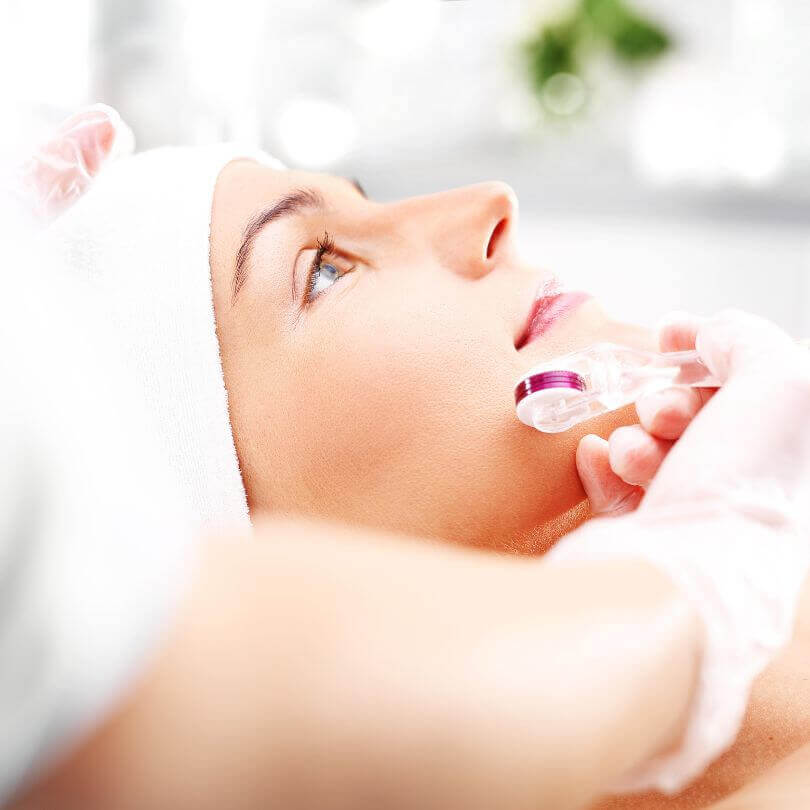
Microneedling is a popular and effective treatment method for acne scars. It involves the use of a device with tiny needles to create small punctures in the skin’s surface. These micro-injuries stimulate the body’s natural healing process, leading to the production of collagen and elastin, which helps in improving the appearance of acne scars.

What is Microneedling?

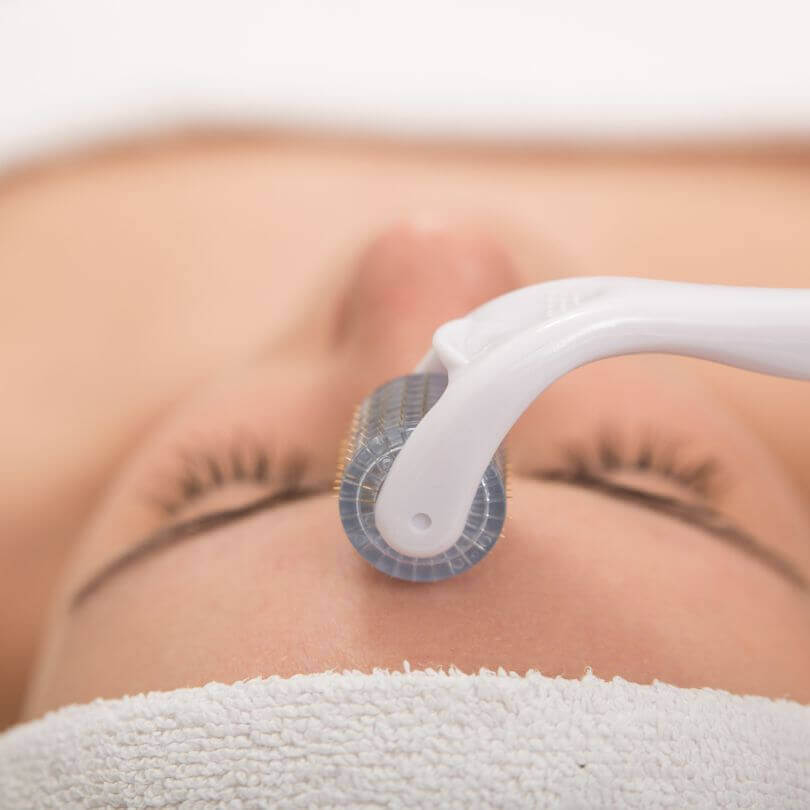
Microneedling, also known as collagen induction therapy, is a minimally invasive procedure that aims to improve the texture and appearance of the skin. The procedure is performed using a device called a derma roller or microneedling pen, which contains tiny needles. These needles create controlled injuries in the skin, prompting the body to produce more collagen and regenerate new skin cells.

How does Microneedling Work?

Microneedling works by creating micro-injuries in the skin, which trigger the body’s natural healing response. When the needles penetrate the skin, they break up scar tissue and stimulate the production of collagen, a protein that helps in skin regeneration. As the skin heals, it becomes smoother and more evenly toned, reducing the appearance of acne scars.

Why is Microneedling Effective for Acne Scars?

Microneedling is particularly effective for acne scars due to its ability to address the underlying cause of the scarring. Acne scars occur when the skin’s natural healing process is disrupted during the inflammatory response to acne. By stimulating collagen production and promoting skin regeneration, microneedling helps to minimize the appearance of scars and improve overall skin texture.

How Many Microneedling Sessions For Acne Scars?

Factors Affecting the Number of Microneedling Sessions

Several factors can influence the number of microneedling sessions required to achieve optimal results for acne scars.

Severity of Acne Scars

The severity of your acne scars plays a significant role in determining the number of microneedling sessions needed. Deeper and more extensive scars may require more sessions to achieve satisfactory results.

Skin Type and Condition

The type and condition of your skin can also impact the number of microneedling sessions needed. Different skin types respond differently to treatment, and certain skin conditions may require additional sessions for optimal results.

Individual Healing Response

Every individual’s healing response is unique, and this can affect the number of sessions required for successful scar improvement. Some individuals may heal and regenerate skin cells more quickly, while others may require additional sessions for noticeable improvement.

Overall Health

Your overall health can also influence the number of microneedling sessions needed. A healthy lifestyle, proper nutrition, and good skincare routine can contribute to better healing and more successful results.

Consulting with a Dermatologist

Before undergoing microneedling for acne scars, it is crucial to consult with a qualified dermatologist. They will evaluate your skin condition, discuss your treatment goals, and develop a customized treatment plan tailored to your specific needs.

Importance of Professional Evaluation

A professional evaluation is essential to determine the suitability of microneedling for your acne scars. A dermatologist’s expertise will help assess the severity of your scars, identify any underlying skin conditions, and recommend the most appropriate treatment approach.

Customized Treatment Plan

Based on their evaluation, a dermatologist will create a customized treatment plan that takes into account the specific characteristics of your acne scars and your individual needs. This ensures that you receive the most effective treatment and the best possible results.

Determining the Number of Sessions

During your consultation, the dermatologist will discuss the estimated number of microneedling sessions required to achieve your desired outcome. This will depend on factors such as the severity of your acne scars, your skin’s response to treatment, and your overall health. The dermatologist may also adjust the treatment plan as necessary based on your progress and response to treatment.

How Many Microneedling Sessions For Acne Scars?

Typical Range of Microneedling Sessions

The number of microneedling sessions needed for acne scars can vary from person to person. However, there is a typical range that can serve as a guideline.

Minimum Number of Sessions

The minimum number of microneedling sessions for acne scars is usually around 3-4 sessions. This number allows for significant improvement in the appearance of scars and the overall texture of the skin. However, individual factors and scar severity may require additional sessions.

Average Number of Sessions

The average number of microneedling sessions for acne scars typically ranges from 4-6 sessions. This range is often sufficient to achieve noticeable improvement in scar appearance and skin texture. However, it is important to remember that each individual’s response to treatment may vary.

Maximum Number of Sessions

In some cases, more severe acne scars may require a higher number of microneedling sessions. The maximum number of sessions can vary but usually does not exceed 10-12 sessions. Beyond this point, the benefits of microneedling may become limited, and alternative treatment options may be considered.

Monitoring Progress and Results

Throughout the course of your microneedling sessions, it is crucial to monitor your progress and evaluate the results.

Tracking Scar Improvement

Regularly track the improvement of your acne scars to determine the effectiveness of microneedling. Take photographs before and after each session to compare the changes visually. This will help you and your dermatologist assess the progress made and make any necessary adjustments to the treatment plan.

Evaluating Response to Treatment

Pay attention to how your skin responds to each microneedling session. Take note of any changes in scar appearance, skin texture, and overall complexion. This will enable you to communicate effectively with your dermatologist and ensure that the treatment is on track.

Adjusting Number of Sessions

Based on the evaluation of your progress and response to treatment, your dermatologist may recommend adjusting the number of microneedling sessions. This flexibility allows for a personalized approach catered to your individual needs, ensuring the best possible outcomes.

Interval Between Microneedling Sessions

The interval between microneedling sessions is another crucial factor to consider for optimal results and proper skin healing.

Recommended Timeframe

The recommended timeframe between microneedling sessions is typically 4-6 weeks. This allows adequate time for the skin to heal, regenerate, and reap the benefits of the previous session before undergoing the next one.

Allowing Skin Healing

The skin needs time to heal and rebuild collagen after each microneedling session. Rushing into subsequent sessions without allowing enough healing time can hinder the effectiveness of the treatment and increase the risk of complications. It is important to be patient and adhere to the recommended timeframe.

Avoiding Over-Exfoliation

Over-exfoliation can be harmful to the skin, especially after microneedling. It is crucial to avoid any additional exfoliating treatments or harsh skincare products between sessions. This allows the skin to recover properly and ensures that the microneedling treatment can work its magic.

Combining Microneedling with Other Treatments

In some cases, combining microneedling with other treatment modalities can enhance the results and further reduce acne scars.

Synergy with Topical Treatments

Microneedling creates microscopic channels in the skin, which allows for better absorption of topical treatments. Applying clinically proven skincare products after microneedling can deliver active ingredients directly to the deeper layers of the skin, maximizing their effectiveness in scar reduction.

Additional Procedures for Scar Reduction

In certain cases, your dermatologist may recommend combining microneedling with other procedures such as laser therapy or chemical peels. These additional treatments can provide complementary effects and further improve the appearance of acne scars.

Frequency of Maintenance Sessions

After completing the recommended number of microneedling sessions, maintenance sessions may be necessary to prevent the recurrence of acne scars.

Preventing Scar Reappearance

Maintenance sessions can help prevent the reappearance of acne scars and maintain the results achieved through microneedling. These sessions are typically spaced further apart, with intervals ranging from 3-6 months, depending on individual factors and scar severity.

Long-term Maintenance Plan

Developing a long-term maintenance plan in collaboration with your dermatologist is important for sustained improvement in scar appearance. This may involve periodic microneedling sessions or other treatments tailored to your specific needs, ensuring that your skin remains healthy and smooth in the long run.

Preparation and Aftercare

Proper preparation and aftercare are crucial to optimize the results of microneedling and promote efficient healing.

Skin Preparation Guidelines

Before undergoing microneedling, follow your dermatologist’s guidelines for skin preparation. This may involve avoiding certain skincare products or treatments that could interfere with the procedure. Follow a gentle cleansing and moisturizing routine to ensure the skin is in the best possible condition for treatment.

Post-Treatment Care Instructions

After microneedling, it is essential to follow your dermatologist’s post-treatment care instructions. This includes avoiding direct sun exposure, wearing SPF, and using gentle skincare products. It is also important to keep the skin moisturized and hydrated to aid in the healing process and maximize the results.

Microneedling Sessions for Different Types of Acne Scars

Different types of acne scars may require varying approaches and treatment plans. Here are some key considerations for specific scar types:

Rolling Scars

Rolling scars are characterized by shallow indentations and a wave-like appearance. Microneedling can help stimulate collagen production and improve the overall texture of the skin, making rolling scars less noticeable over time.

Boxcar Scars

Boxcar scars are wider and deeper than rolling scars, with defined edges. Microneedling can help smooth out the edges of boxcar scars and promote collagen production, gradually reducing their appearance.

Ice Pick Scars

Ice pick scars are deep, narrow scars that resemble small puncture marks. Microneedling can stimulate collagen production and help fill in the indentations caused by ice pick scars, leading to a more even skin surface.

Hypertrophic Scars

Hypertrophic scars are raised scars that may be red or pink in color. Microneedling can help break up scar tissue, improve collagen production, and reduce the height and redness of hypertrophic scars over time.

Keloid Scars

Keloid scars are thick, raised scars that extend beyond the boundaries of the original injury. Microneedling can help flatten and soften keloid scars, but caution must be exercised as the treatment may stimulate additional collagen production in some individuals.

In conclusion, microneedling is a highly effective treatment option for reducing the appearance of acne scars. The number of sessions required depends on various factors, including scar severity, skin type, individual healing response, and overall health. Consulting with a dermatologist is essential to ensure personalized evaluation, treatment planning, and monitoring of progress. Proper preparation, aftercare, and maintenance sessions are crucial for optimal results, and combining microneedling with other treatments can enhance the scar reduction process. With the right approach and guidance, microneedling can provide significant improvement in acne scars and help you achieve smoother, more radiant skin.

What Is Rf Microneedling?

Discover the benefits of RF Microneedling, a revolutionary cosmetic procedure that tightens the skin and stimulates collagen production. Learn more now!

So you’ve heard the buzz about RF Microneedling and you’re curious to know exactly what it is? Look no further! RF Microneedling is a revolutionary cosmetic procedure that combines the power of radiofrequency technology with the benefits of traditional microneedling. By delivering controlled heat energy deep into the skin through tiny needles, RF Microneedling stimulates collagen production and tightens the skin, resulting in a more youthful and rejuvenated appearance. Get ready to dive into the world of RF Microneedling and discover the incredible results it can offer for your skin!

What Is Rf Microneedling

Introduction

RF Microneedling is an innovative cosmetic treatment that combines the benefits of radiofrequency technology with microneedling. It is a non-surgical and non-invasive procedure that is gaining popularity in the field of skin rejuvenation. This comprehensive article will delve into the definition of RF Microneedling and the importance it holds in the world of skincare.

Definition of RF Microneedling

RF Microneedling, also known as radiofrequency microneedling, is a cutting-edge cosmetic procedure that utilizes the combined benefits of microneedling and radiofrequency energy. The treatment involves the use of a device that consists of tiny needles and delivers controlled radiofrequency energy to the deeper layers of the skin. This energy stimulates collagen and elastin production, resulting in tighter, firmer, and more youthful skin.

Importance of RF Microneedling

With advancements in cosmetic technology, RF Microneedling has become a game-changer in the field of skincare. This treatment offers a multitude of benefits, making it a sought-after solution for various skin concerns. From reducing wrinkles and fine lines to improving texture and tone, RF Microneedling has revolutionized the way we approach skin rejuvenation. Its ability to address multiple skin issues with minimal downtime has made it a popular choice among individuals seeking non-invasive options.

How RF Microneedling Works

Principle of RF Microneedling

The principle behind RF Microneedling lies in the stimulation of collagen and elastin production through controlled radiofrequency energy. The microneedles penetrate the skin at a precise depth, delivering the radiofrequency energy to the targeted areas. The energy generates heat, which triggers the body’s natural healing response and stimulates the production of collagen and elastin fibers. This process leads to skin tightening, improved texture, and a more youthful appearance.

Integration of Radiofrequency and Microneedling

The combination of radiofrequency energy and microneedling in one treatment is what sets RF Microneedling apart from other cosmetic procedures. By integrating radiofrequency energy, the treatment not only stimulates collagen production but also delivers heat deep into the dermis, targeting the underlying layers responsible for skin laxity and aging. The microneedles create micro-channels that allow the radiofrequency energy to penetrate more effectively, maximizing the treatment’s efficacy.

Benefit of Combined Treatment

The combination of radiofrequency and microneedling offers several benefits. Firstly, the controlled heat generated by the radiofrequency energy causes collagen contraction, resulting in immediate skin tightening and firming. Additionally, the micro-injuries created by the tiny needles stimulate the body’s natural wound healing response, leading to the production of new collagen and elastin fibers over time. This dual mechanism ensures long-lasting results and progressive improvement in the skin’s texture and tone.

Benefits of RF Microneedling

Skin Tightening and Firming

One of the primary benefits of RF Microneedling is its ability to tighten and firm the skin. The controlled radiofrequency energy stimulates the production of collagen and elastin fibers, which are essential for maintaining skin elasticity. As a result, individuals can experience a noticeable improvement in sagging skin and enjoy a more youthful and lifted appearance.

Reduced Appearance of Wrinkles and Fine Lines

RF Microneedling is an excellent solution for reducing the appearance of wrinkles and fine lines. The targeted radiofrequency energy stimulates collagen production, which helps plump up the skin and smooth out existing wrinkles. Additionally, the treatment promotes the regeneration of the skin’s structural proteins, resulting in a more even skin tone and improved texture.

Improved Texture and Tone

Uneven skin texture and tone can be frustrating and challenging to address. RF Microneedling offers a solution by promoting the growth of new collagen and elastin fibers. These proteins provide support to the skin, improving its texture and tone. Individuals can achieve a more refined and radiant complexion with reduced pigmentation issues and irregularities.

Scar and Stretch Mark Reduction

RF Microneedling is also an effective treatment for reducing the appearance of scars and stretch marks. The controlled puncturing of the microneedles combined with the radiofrequency energy stimulates collagen remodeling in the targeted areas. This process helps to break down scar tissue and stimulates the production of new collagen, resulting in improved texture and diminished visibility of scars and stretch marks.

Pore Size Reduction

Enlarged pores can be a common concern, particularly for those with oily or acne-prone skin. RF Microneedling can help reduce pore size by stimulating collagen production and improving overall skin texture. As the skin becomes firmer and more elastic, the appearance of enlarged pores diminishes, leading to a smoother and more refined complexion.

Enhanced Absorption of Skincare Products

RF Microneedling creates micro-channels in the skin, which allow for better absorption of topical skincare products. As the treatment stimulates collagen production and improves overall skin health, the skin becomes more receptive to active ingredients present in serums and creams. This enhanced absorption maximizes the benefits of skincare products and can lead to more effective results.

Who Can Benefit from RF Microneedling

Different Skin Types and Concerns

RF Microneedling is suitable for various skin types and can address a wide range of skin concerns. From aging skin with fine lines and wrinkles to acne-prone skin with scarring, this treatment is versatile and adaptable. Whether someone has dry, oily, or combination skin, RF Microneedling can be tailored to meet their specific needs.

Individuals with Mild to Moderate Skin Aging

As we age, our skin loses elasticity and develops fine lines and wrinkles. RF Microneedling is an excellent option for individuals experiencing mild to moderate skin aging. The treatment’s ability to stimulate collagen production and tighten the skin makes it an effective solution for rejuvenating and revitalizing aging skin.

Patients with Acne Scarring

Acne scars can leave a lasting impact on the skin, affecting one’s self-esteem and confidence. RF Microneedling has shown promising results in reducing the appearance of acne scars. By stimulating collagen production and remodeling, this treatment helps smooth out the texture of the skin and minimize the visibility of acne scars.

What Is Rf Microneedling

RF Microneedling Procedure

Before the Treatment

Before undergoing an RF Microneedling procedure, it is essential to consult with a qualified practitioner. During the consultation, the practitioner will assess the individual’s skin condition, medical history, and specific concerns. They will explain the procedure, potential risks, and expected results. It is crucial to follow any pre-treatment instructions provided by the practitioner, which may include avoiding certain skincare products or medications.

During the Treatment

During the RF Microneedling treatment, a numbing cream may be applied to the treatment area to minimize discomfort. The practitioner will then use a handheld device that contains tiny needles to create controlled micro-injuries in the skin. The device will simultaneously deliver radiofrequency energy, targeting the dermis and deeper layers of the skin. The depth of the microneedles and intensity of the radiofrequency energy will be adjusted based on the individual’s specific needs.

After the Treatment

Following the RF Microneedling treatment, the individual may experience redness, swelling, and mild discomfort, which are temporary and typically subside within a few days. It is important to follow the post-treatment instructions provided by the practitioner, which may include applying a soothing ointment and avoiding excessive sun exposure. It is normal for the skin to undergo a healing process, and individuals should be patient as the full benefits of the treatment unfold over time.

Is RF Microneedling Safe

Non-Surgical and Non-Invasive

RF Microneedling is a non-surgical and non-invasive procedure, making it a safer alternative to surgical options. The treatment does not require incisions or sutures, reducing the risk of complications and downtime associated with invasive surgical procedures. The controlled delivery of radiofrequency energy ensures targeted treatment without damaging the surrounding tissues.

Limited Downtime and Side Effects

Compared to more invasive procedures, RF Microneedling has minimal downtime and side effects. Following the treatment, individuals may experience redness, swelling, and mild discomfort, which are typically temporary and subside within a few days. It is important to follow post-treatment care instructions provided by the practitioner to promote healing and minimize any potential side effects.

Suitable for Various Skin Types

RF Microneedling is suitable for various skin types, including individuals with darker skin tones who may be more prone to pigmentation issues. The treatment’s ability to deliver controlled radiofrequency energy allows practitioners to customize the treatment based on the individual’s specific needs and skin condition. This adaptability makes RF Microneedling a safe and effective option for a wide range of individuals.

How Long After Microneedling Can I Workout?

Comparison with Other Skin Rejuvenation Techniques

Microneedling with PRP

While microneedling with PRP (Platelet-Rich Plasma) has gained popularity in recent years, RF Microneedling offers additional benefits. By combining microneedling with radiofrequency energy, RF Microneedling stimulates collagen production and tightens the skin, providing more substantial and longer-lasting results. The integration of radiofrequency energy enhances the skin rejuvenation process, making RF Microneedling a more comprehensive treatment option.

Laser Resurfacing

Laser resurfacing is another popular skin rejuvenation technique; however, it differs from RF Microneedling in several aspects. Laser resurfacing uses laser energy to remove the top layers of the skin, targeting specific concerns such as pigmentation, wrinkles, and scars. On the other hand, RF Microneedling stimulates collagen production and improves skin texture without removing the top layers. This makes RF Microneedling a gentler treatment option with less downtime and a reduced risk of complications.

Chemical Peels

Chemical peels involve the application of a chemical solution to the skin, which exfoliates the top layers and promotes skin regeneration. While chemical peels can be effective for certain skin concerns, RF Microneedling offers a more targeted approach. By delivering controlled radiofrequency energy directly to the deeper layers of the skin, RF Microneedling stimulates collagen production and addresses a wider range of concerns, including skin tightening and scar reduction.

Finding a Qualified Provider

Importance of Choosing a Skilled Practitioner

When considering RF Microneedling, it is crucial to choose a skilled practitioner experienced in performing the procedure. A skilled practitioner will have the knowledge and expertise to assess your specific needs, ensure your safety during the procedure, and achieve optimal results. Trusting your treatment to a qualified professional will give you peace of mind and minimize the risk of complications.

Researching and Checking Credentials

Before scheduling an RF Microneedling treatment, take the time to research and check the credentials of potential providers. Look for certifications and qualifications that demonstrate their expertise in performing the procedure. It is also beneficial to read testimonials and reviews from previous patients to gain insight into their experience with the practitioner.

Reading Reviews and Recommendations

Reading reviews and recommendations from other individuals who have undergone RF Microneedling can provide valuable insights. Look for testimonials that discuss the practitioner’s professionalism, the results achieved, and the overall experience. Personal recommendations from friends or family members who have had successful RF Microneedling treatments can also guide you in finding a qualified provider.

Preparation and Aftercare

Preparation Steps

Before undergoing an RF Microneedling treatment, it is essential to follow any pre-treatment instructions provided by the practitioner. These instructions may include avoiding certain skincare products or medications that can increase the risk of complications. Additionally, it is important to keep the treatment area clean and free from any irritants or makeup.

Post-Treatment Care

Following an RF Microneedling treatment, it is crucial to follow the post-treatment care instructions provided by the practitioner. These instructions may include applying a soothing ointment, avoiding excessive sun exposure, and using gentle skincare products. It is also essential to keep the treatment area clean to prevent infection and support the healing process.

Expected Recovery Time

The recovery time following an RF Microneedling treatment varies from individual to individual. Generally, individuals can expect redness, swelling, and mild discomfort for a few days following the procedure. However, these side effects typically subside relatively quickly, and individuals can resume their daily activities with minimal interruption. The full benefits of the treatment, including skin tightening and improved texture, will gradually become more noticeable in the weeks following the procedure.

Conclusion

Final Thoughts on RF Microneedling

RF Microneedling is an innovative and versatile cosmetic treatment that offers numerous benefits for individuals seeking skin rejuvenation and improvement. From skin tightening and reduced appearance of wrinkles to scar reduction and pore size reduction, RF Microneedling is revolutionizing the way we approach skincare. This non-surgical and non-invasive procedure provides long-lasting results with minimal downtime, making it an attractive option for individuals looking to enhance their overall complexion.

Future Potential of the Technology

The future potential of RF Microneedling is promising. As technology continues to advance, we can expect further improvements and refinements in RF Microneedling devices and techniques. The integration of advanced radiofrequency technologies and customizable treatments may offer even more precise and tailored solutions for individuals with a wide range of skin concerns. The ongoing development and research in this field hold the potential for groundbreaking advancements in skincare and skin rejuvenation.

en_USEnglish