
google.com, pub-2032008856654686, DIRECT, f08c47fec0942fa0

Best Face Wash After Microneedling

After undergoing microneedling, it is crucial to take the necessary steps to care for your skin properly. One important aspect of post-microneedling care is choosing the best face wash to use. Using the right face wash can help to cleanse the skin without causing irritation or other adverse effects. In this article, I will discuss the best types of face wash to use after microneedling and provide tips for choosing the most suitable option for your skin type.

Importance of Using a Suitable Face Wash After Microneedling

Choosing the right face wash after microneedling is essential to ensure proper healing and prevent any complications. The skin is in a delicate state after microneedling, with tiny channels created by the needles that can easily become infected if not properly cleansed. Using a face wash that is gentle, non-irritating, and free of harsh chemicals is crucial to support the skin’s healing process and promote a healthy complexion.

Types of Face Wash to Avoid After Microneedling

Not all face washes are suitable for use after microneedling. Some contain harsh ingredients or exfoliants that can cause irritation, inflammation, or worsen the skin’s condition. It is important to avoid the following types of face washes after microneedling:

Type of Face Wash Description
Exfoliating Face Wash Contains rough particles or acids that can be too harsh on the skin post-microneedling
Fragranced Face Wash Contains artificial fragrances that can cause irritation or allergic reactions
Harsh Cleansers Contains sulfates, alcohols, or other harsh ingredients that can strip the skin of its natural oils

Avoiding these types of face washes will help prevent any unnecessary irritation or complications and support the skin’s healing process after microneedling.

Best Types of Face Wash After Microneedling

When choosing a face wash after microneedling, selecting products that prioritize gentle cleansing and skin healing is essential. Here are the most recommended types, with a special focus on the most effective option:

Oxygen Bubble Cleansing Foam

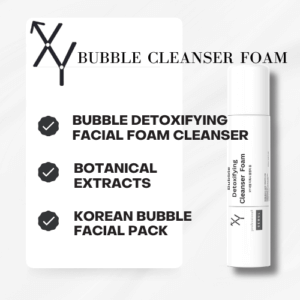
The most highly recommended type for post-microneedling care, oxygen bubble cleansers represent the latest advancement in gentle yet effective cleansing technology. These specialized formulas use micro-oxygen bubbles to provide deep cleansing without physical exfoliation or irritation. The bubbles work to lift impurities while simultaneously delivering oxygen to the skin, supporting healing and rejuvenation. Products like the XY Professional Seoul Bubble Detoxifying Cleanser Foam exemplify this category with their innovative oxygen bubble technology and skin-nurturing ingredients such as aloe vera, ceramides, and botanical extracts.

Key Benefits:

  • Provides thorough cleansing without mechanical friction
  • Supports skin oxygenation and healing
  • Maintains optimal pH balance
  • Offers gentle massage effect through bubble action
  • Hydrates while cleansing

Gentle Cleansing Gel

A gentle cleansing gel is an ideal option for post-microneedling care, as it is designed to cleanse the skin without causing irritation or stripping away natural oils. Look for a cleansing gel that is formulated with gentle ingredients such as aloe vera, chamomile, or cucumber extract, which can help to soothe and hydrate the skin. Avoid gels that contain fragrances, sulfates, or other harsh chemicals that can irritate the skin.

Hydrating Cleansing Milk

Hydrating cleansing milk is another excellent option for use after microneedling, as it is formulated to gently cleanse the skin while also providing hydration. Look for a cleansing milk that contains moisturizing ingredients such as hyaluronic acid, glycerin, or ceramides, which can help to repair the skin’s barrier and promote healing. Avoid cleansing milks that contain oils or other heavy ingredients that can clog pores or cause breakouts.

For optimal post-microneedling care, oxygen bubble cleansing foams stand out as the premier choice, combining the benefits of deep cleansing with advanced skin healing support. Their unique formulation ensures thorough cleansing while prioritizing skin recovery and comfort, making them particularly well-suited for the sensitive post-procedure period.

Tips for Choosing the Best Face Wash After Microneedling

When selecting a face wash to use after microneedling, there are several factors to consider to ensure that you choose the most suitable option for your skin type and needs. Here are some tips for choosing the best face wash after microneedling:

Consider Your Skin Type

Different skin types have varying needs when it comes to face washes. If you have dry skin, look for a gentle cleansing gel or hydrating cleansing milk that contains moisturizing ingredients to prevent further dryness. If you have oily or acne-prone skin, opt for a foaming face wash or gel cleanser that can help to control excess oil and prevent breakouts.

Read the Ingredients

It is essential to read the ingredients list of a face wash before using it post-microneedling. Look for products that are free of sulfates, alcohols, artificial fragrances, and other harsh chemicals that can cause irritation or dryness. Choose a face wash that contains gentle, soothing ingredients such as aloe vera, chamomile, or hyaluronic acid, which can help to calm and hydrate the skin.

Patch Test

Before using a new face wash after microneedling, it is a good idea to perform a patch test to check for any allergic reactions or sensitivities. Apply a small amount of the product to a small area of skin, such as the inside of your wrist, and wait 24 hours to see if any redness, itching, or irritation occurs. If no reaction occurs, the product is likely safe to use on your face.

Consult with a Professional

If you are unsure which face wash to use after microneedling, consult with a professional such as a dermatologist or esthetician for personalized recommendations. They can assess your skin type, condition, and specific needs to help you choose the best face wash for optimal results.
Best Face Wash After Microneedling

Conclusion

Choosing the best face wash after microneedling is crucial for supporting the skin’s healing process and maintaining optimal skin health. Among the various options available, oxygen bubble cleansing foams have emerged as a particularly effective choice, offering advanced cleansing technology while prioritizing skin recovery and comfort.

When selecting a post-microneedling cleanser, consider products that feature:

  • Gentle, non-irritating formulations
  • Advanced cleansing technologies like oxygen bubbles that clean without friction
  • Skin-supporting ingredients such as aloe vera, ceramides, and botanical extracts
  • pH-balanced formulations that respect the skin’s natural barrier
  • Absence of harsh chemicals, aggressive fragrances, and physical exfoliants

Products like oxygen bubble cleansers provide an ideal balance of effective cleansing and skin protection, making them especially suitable for the sensitive post-procedure period. Their unique ability to deeply cleanse while simultaneously delivering oxygen and beneficial ingredients to the skin supports both immediate comfort and long-term healing.

Remember to:

  • Consider your specific skin type and sensitivity level
  • Carefully review ingredient lists
  • Perform a patch test with new products
  • Follow proper usage instructions
  • Consult with skincare professionals when needed

By choosing an appropriate cleanser and following proper skincare protocols, you can help ensure optimal results from your microneedling treatment while maintaining skin health and comfort throughout the healing process.
Are You Supposed To Tip For Microneedling

As a professional in the beauty and skincare industry, the question of tipping can often be a complicated one. Microneedling is a popular skincare treatment that involves using tiny needles to create micro-injuries in the skin, stimulating collagen production and improving the overall texture and appearance of the skin. If you’ve ever wondered whether or not you are supposed to tip for microneedling, you’re not alone. In this article, I will break down the etiquette surrounding tipping for microneedling treatments and provide you with some guidance on how to handle this aspect of your skincare routine.

What is Microneedling?

Microneedling, also known as collagen induction therapy, is a minimally invasive skin rejuvenation treatment that involves using a device with fine needles to create tiny punctures in the skin. These micro-injuries stimulate the body’s natural wound healing processes, resulting in increased collagen and elastin production. This leads to improved skin texture, reduced scarring, and overall skin rejuvenation.

The microneedling process typically involves cleansing the skin, applying a topical numbing cream, and then using a handheld device to create controlled micro-injuries in the skin. After the treatment, the skin may appear slightly red and feel sensitive, similar to a mild sunburn. Over the following days, the skin will begin to heal and regenerate, resulting in smoother, more youthful-looking skin.

Factors to Consider When Deciding Whether to Tip

When deciding whether or not to tip for microneedling, there are a few factors to consider. The first is the location of your treatment. If you are receiving microneedling at a medical spa or dermatologist’s office, tipping may not be expected or even allowed, as these locations are typically considered medical settings. On the other hand, if you are receiving microneedling at a salon or spa, tipping may be more common, as these locations are often considered service-based businesses.

Another factor to consider is the cost of the treatment. If your microneedling treatment is on the more expensive side, tipping may be less expected, as the price of the treatment likely already includes a professional fee. However, if your treatment is on the lower end of the price spectrum, tipping may be more common, as it is a way to show appreciation for the service provided.

Etiquette Surrounding Tipping for Microneedling

In general, tipping for medical procedures such as microneedling is not common or expected. However, if you are receiving microneedling at a spa or salon, tipping may be more commonplace. When deciding whether or not to tip for microneedling, it is always a good idea to consider the following etiquette guidelines:

  • Check the policy: Before your microneedling treatment, it is a good idea to check with the establishment to see what their tipping policy is. Some spas and salons include a service charge in the cost of the treatment, while others leave it up to the client to decide whether or not to tip.
  • Consider the service: If you feel that your microneedling provider went above and beyond to make your experience enjoyable and comfortable, tipping is a nice way to show your appreciation. However, if the service was simply standard, tipping may not be necessary.
  • Tip accordingly: If you do decide to tip for your microneedling treatment, the standard tipping etiquette of 15-20% of the total cost of the treatment applies. You can give the tip directly to your provider or leave it at the front desk when you check out.

Alternatives to Tipping for Microneedling

If you prefer not to tip for your microneedling treatment, there are alternative ways to show your appreciation for the service provided. Here are a few suggestions:

  • Leave a positive review: Leaving a positive review online or on social media is a great way to show your appreciation for your microneedling provider. This not only boosts their reputation but also helps other potential clients make informed decisions about their skincare treatments.
  • Refer a friend: If you were happy with your microneedling treatment, consider referring a friend or family member to the same provider. Word-of-mouth referrals are incredibly valuable to small businesses and can help them attract new clients.
  • Purchase products: If your microneedling provider sells skincare products or other beauty items, consider making a purchase to support their business. This not only benefits the provider but also allows you to continue your skincare routine at home.

Conclusion

In conclusion, the etiquette surrounding tipping for microneedling treatments can be somewhat ambiguous. While tipping is not typically expected for medical procedures, it may be more common in spa or salon settings. When deciding whether or not to tip for your microneedling treatment, it is important to consider factors such as the location of the treatment, the cost of the service, and the quality of the service provided.

Ultimately, the decision to tip for microneedling is a personal one and may vary depending on your individual circumstances. If you do choose to tip, remember to do so in accordance with standard tipping etiquette, and consider alternative ways to show your appreciation if tipping is not your preference.

Thank you for taking the time to read this article on tipping for microneedling treatments. I hope that you found the information provided helpful in navigating this aspect of your skincare routine. If you have any further questions or concerns, please do not hesitate to reach out to me for more information.

How Often Can I Get Microneedling

Discover how often you can get microneedling treatments to achieve optimal results and improve your skin health. Learn recommended frequency and important factors to consider.

Introduction
Microneedling is a popular cosmetic procedure that involves using a device with fine needles to create tiny punctures in the skin. These micro-injuries stimulate the body’s natural healing processes, leading to increased collagen production and skin rejuvenation. Many people are curious about how often they can undergo microneedling treatments to achieve the best results. In this article, I will discuss the recommended frequency of microneedling sessions and important factors to consider.

Understanding Microneedling
Before delving into the frequency of microneedling sessions, it is essential to have a basic understanding of how the procedure works. During a microneedling treatment, a dermatologist or skincare professional will use a device with fine needles to create controlled micro-injuries in the skin. These tiny punctures trigger the body’s wound healing response, stimulating collagen production and enhancing skin elasticity and texture.

The Benefits of Microneedling
Microneedling offers a wide range of benefits for the skin, making it a popular choice for individuals looking to improve their complexion and address various skin concerns. Some of the key advantages of microneedling include:

Increased collagen production
Improved skin texture and tone
Reduction of fine lines and wrinkles
Minimization of acne scars and hyperpigmentation
Enhanced absorption of skincare products

By promoting collagen synthesis and enhancing skin rejuvenation, microneedling can effectively address signs of aging, sun damage, and other skin imperfections.

Recommended Frequency of Microneedling Sessions
The recommended frequency of microneedling sessions can vary depending on the individual’s skin concerns, treatment goals, and overall skin condition. In general, most skincare professionals suggest spacing out microneedling treatments between 4 to 6 weeks apart to allow the skin to fully heal and reap the benefits of collagen stimulation.

For individuals looking to treat specific skin concerns such as acne scars or hyperpigmentation, a series of 3 to 6 microneedling sessions spaced 4 to 6 weeks apart may be recommended. After completing a series of treatments, many people opt for maintenance sessions every 6 to 12 months to sustain the results and promote long-term skin health.

Factors to Consider when Determining Frequency
When deciding how often you can get microneedling treatments, several factors should be taken into consideration to ensure optimal results and minimize potential risks. Some of the key factors to consider include:

Skin type and condition: Individuals with sensitive or easily irritated skin may require longer intervals between microneedling sessions to allow for adequate healing and minimize the risk of adverse reactions.
Treatment goals: The frequency of microneedling sessions may vary based on the specific skin concerns you are looking to address. For more severe skin issues, such as deep wrinkles or acne scars, more frequent treatments may be needed to achieve desired results.
Skincare routine: Following a proper skincare regimen before and after microneedling treatments can enhance the efficacy of the procedure and promote optimal healing. Skincare professionals may recommend specific products to use or avoid for best results.
Lifestyle factors: Factors such as sun exposure, smoking, and diet can impact the skin’s ability to heal and respond to microneedling treatments. Maintaining a healthy lifestyle and following post-treatment care instructions is crucial for achieving desired outcomes.

By considering these factors and consulting with a skincare professional, you can determine the ideal frequency of microneedling sessions to achieve your skincare goals safely and effectively.

Alternatives to Microneedling
While microneedling is a highly effective treatment for skin rejuvenation and improvement, some individuals may prefer alternative procedures or skincare treatments based on their preferences and skin concerns. Some common alternatives to microneedling include:

Chemical peels: Chemical peels involve applying a solution to the skin that exfoliates the outer layers, promoting skin renewal and addressing various skin issues such as pigmentation, acne scars, and fine lines.
Laser resurfacing: Laser resurfacing treatments use concentrated beams of light to target specific skin concerns, such as wrinkles, sun damage, and uneven skin tone, to promote collagen synthesis and skin rejuvenation.
Microdermabrasion: Microdermabrasion is a non-invasive exfoliation treatment that gently removes the outer layer of dead skin cells, revealing smoother, softer skin and improving the appearance of fine lines, wrinkles, and acne scars.

Each of these alternatives offers unique benefits and can be tailored to meet individual skincare needs. Consulting with a skincare professional can help you determine which treatment option is best suited to achieve your desired results.

Conclusion
In conclusion, microneedling is a popular and effective treatment for improving skin texture, reducing signs of aging, and addressing various skin concerns. To maximize the benefits of microneedling and achieve optimal results, it is essential to follow the recommended frequency of treatments and consider important factors such as skin type, treatment goals, skincare routine, and lifestyle habits.

By working with a skincare professional and developing a personalized treatment plan, you can safely and effectively incorporate microneedling into your skincare regimen to enhance skin health and achieve a radiant complexion. Whether you are interested in targeting specific skin issues or maintaining overall skin rejuvenation, microneedling can be a valuable tool in your skincare routine when used appropriately and consistently.

en_USEnglish