
google.com, pub-2032008856654686, DIRECT, f08c47fec0942fa0

Sun Protection and Aftercare for PRP Microneedling

After investing in a PRP microneedling treatment, I’ve learned that what you do in the days following your procedure can be just as important as the treatment itself. As someone who’s gone through this rejuvenating experience, I want to share my insights on proper aftercare—especially when it comes to sun protection, which is absolutely crucial for optimal results and skin health.

Why Sun Protection Is Non-Negotiable After PRP Microneedling

Let me be crystal clear: sun exposure after microneedling with PRP is your skin’s worst enemy. During my first treatment, my esthetician emphasized this point repeatedly, and with good reason. The tiny channels created in your skin during microneedling remain open for 24-48 hours, leaving your skin extremely vulnerable to UV damage, hyperpigmentation, and infection.

I made the mistake of taking a quick 10-minute walk without sunscreen the day after my first session, and I noticed immediate redness that took extra days to resolve. Trust me when I say that sun protection isn’t just a recommendation—it’s essential for your skin’s recovery and the effectiveness of your treatment.

My Post-PRP Microneedling Sun Protection Protocol

Here’s the regimen I follow religiously after every PRP microneedling session:

  1. Avoid direct sun exposure completely for the first 72 hours – I plan my treatments around my schedule to ensure I can stay indoors during this critical period.
  2. Apply a mineral-based sunscreen with SPF 30-50 – After the initial 24-hour period when you can begin cleansing and applying products, I only use physical/mineral sunscreens (zinc oxide or titanium dioxide) as they’re less likely to irritate freshly treated skin.
  3. Reapply sunscreen every two hours if you must be outdoors – I keep a travel-sized sunscreen in my bag at all times during recovery.
  4. Wear a wide-brimmed hat and UV-protective clothing – I invested in a few stylish sun hats that offer extra protection.
  5. Continue diligent sun protection for at least two weeks – Even after visible healing, your skin remains sensitive to UV rays.

My Complete Aftercare Routine Beyond Sun Protection

While sun protection is critical, my comprehensive aftercare routine includes several other essential steps:

Immediately Post-Treatment (First 24 Hours)

The first day after treatment is all about gentle care and avoiding irritation. I:

  • Keep my hands completely away from my face except for necessary gentle cleansing
  • Use only lukewarm water for cleansing—no products whatsoever
  • Apply only the recommended post-procedure balm or serum provided by my esthetician
  • Sleep on my back with a clean pillowcase

Days 2-7: Gentle Cleansing and Hydration

By day two, I begin a careful cleansing routine:

  • Wash my face with a gentle, fragrance-free cleanser (my favorite is a simple non-foaming cleanser with minimal ingredients)
  • Apply a hyaluronic acid serum to damp skin for maximum hydration
  • Follow with a fragrance-free moisturizer that contains ceramides to support barrier repair
  • Continue applying mineral sunscreen during the day

I’ve noticed that my skin particularly loves hyaluronic acid serums during this time, as they provide much-needed hydration without irritation. The PRP component of the treatment already provides growth factors to aid healing, and supporting this with proper hydration makes a noticeable difference.

What to Absolutely Avoid

Through trial and error (mostly error!), I’ve learned to strictly avoid:

  • Exfoliants (chemical or physical) for at least 7-10 days
  • Retinoids for at least 5-7 days
  • Vitamin C serums for 3-5 days
  • Swimming pools, hot tubs, and saunas for at least a week
  • Makeup for the first 24-48 hours

State Regulations and Professional Guidance

It’s worth noting that microneedling regulations vary by state. In some states, only medical professionals can perform certain depths of microneedling, while in others, estheticians have more flexibility. Before my treatment, I researched my state’s laws to ensure my provider was operating legally.

My esthetician provided detailed aftercare instructions specific to the depth of my treatment and my skin type. This personalized guidance made a significant difference in my recovery process.

Final Thoughts: Patience Pays Off

I’ve found that the true magic of PRP microneedling emerges when you honor the recovery process. By practicing diligent sun protection and following proper aftercare protocols, I’ve maximized my results and minimized potential complications.

Remember, your skin has just undergone a significant collagen-inducing treatment. Give it time, protection, and gentle care, and it will reward you with that radiant glow we’re all seeking. The journey to rejuvenated skin doesn’t end when you leave the treatment room—it’s just beginning.
Do microneedle patches hurt?

As someone who’s tried nearly every skincare treatment under the sun, I’ve fielded countless questions about microneedling from curious friends. One question always tops the list: “Do microneedle patches hurt?” Today, I’ll share my personal experience with microneedle patches and address this common concern.

What Are Microneedle Patches?

Before diving into the pain factor, let’s clarify what we’re talking about. Microneedle patches are small adhesive patches covered with tiny needles (typically between 0.1-0.5mm in length) made from hyaluronic acid or other dissolvable materials. Unlike professional microneedling procedures performed by estheticians, these at-home patches are designed for targeted treatment of specific skin concerns.

The Pain Question: What to Really Expect

So, do they hurt? In my experience, microneedle patches cause minimal discomfort that I’d describe as a slight tingling or prickling sensation rather than actual pain. The first time I applied one to my forehead to target a stubborn fine line, I braced myself for pain but was pleasantly surprised by how manageable it felt.

The sensation is notably different from professional microneedling treatments I’ve had at med spas, which use longer needles and can cause more discomfort (though those treatments also typically include numbing cream).

How Microneedle Patches Compare to Professional Treatments

It’s worth clarifying where microneedle patches fit in the broader microneedling universe:

  • At-home microneedle patches: Minimal discomfort, very short needles, targeted treatment, no downtime
  • Traditional microneedling: Moderate discomfort (with numbing), performed by professionals, treats larger areas, some downtime
  • RF microneedling: Similar to traditional but adds radiofrequency energy for enhanced results, slightly more discomfort
  • PRP microneedling: Combines microneedling with platelet-rich plasma from your blood for enhanced healing, similar discomfort level to traditional

As someone who’s experienced all these treatments, I can confidently say that microneedle patches rank lowest on the pain scale by far.

Factors That Affect Comfort Levels

I’ve found that several factors influence how uncomfortable microneedle patches might feel:

  1. Patch location: Applying patches to sensitive areas like around the eyes tends to cause more sensation than applying to thicker skin like the forehead.
  2. Needle length: Most consumer patches use very short needles (0.3mm or less), which minimizes discomfort.
  3. Skin sensitivity: If you have naturally sensitive skin like I do, you might experience slightly more sensation.
  4. Brand quality: I’ve tried numerous brands and found significant differences in comfort levels. Higher-quality patches often have better-engineered microneedles that cause less irritation.

Benefits That Make the Minimal Discomfort Worthwhile

The slight tingling sensation of microneedle patches is easily outweighed by their benefits:

  • Enhanced product absorption: The tiny channels created help your skincare penetrate deeper
  • Collagen stimulation: Though less dramatic than professional microneedling, patches can still stimulate collagen production
  • Convenience: Unlike a professional session, you can apply these at home with no appointment necessary
  • No downtime: Unlike traditional microneedling which can leave your skin red for 1-2 days

Tips for Minimizing Discomfort

Over the years, I’ve developed some strategies to make the microneedle patch experience even more comfortable:

  1. Start with clean, dry skin: This prevents any stinging from product residue
  2. Apply at night: I find applying before bed means any mild sensation dissipates while I sleep
  3. Avoid active ingredients afterward: I skip retinol and vitamin C right after using patches
  4. Store patches in the refrigerator: The cooling effect makes application more comfortable
  5. Begin with less sensitive areas: If you’re nervous, try your first patch on the forehead rather than under eyes

Are Microneedle Patches Right for Everyone?

While I’ve had great experiences with microneedle patches, they’re not suitable for everyone. I’d avoid them if you:

  • Have active acne breakouts
  • Experience rosacea flare-ups
  • Have extremely sensitive skin
  • Have open wounds or irritated skin

My Final Verdict

After incorporating microneedle patches into my skincare routine for several years, I can confidently say that the discomfort is minimal and well worth the benefits. The sensation is more accurately described as “awareness” rather than pain – you feel something happening, but it’s rarely uncomfortable enough to be distracting.

If you’re curious about microneedling but hesitant to commit to a professional treatment with its associated recovery time and higher discomfort level, microneedle patches offer an excellent entry point. They provide a taste of microneedling’s benefits with significantly less intensity, making them perfect for beginners in the world of advanced skincare.

Whiteheads after microneedling

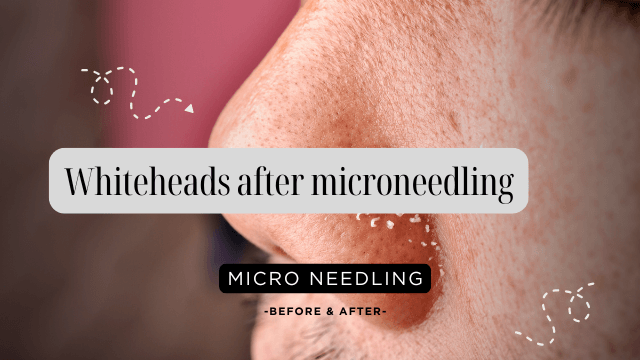
Hey there, skincare enthusiasts! Today, I want to share my experience and knowledge about a common concern that many of us face after microneedling treatments: whiteheads. As someone who’s been through the microneedling journey (and its ups and downs), I understand how frustrating it can be to invest in a procedure aimed at improving your skin, only to discover small white bumps appearing afterward.

Why Do Whiteheads Appear After Microneedling?

First, let’s understand what’s happening. Microneedling creates thousands of tiny micro-injuries in your skin to stimulate collagen production. This controlled damage triggers your skin’s natural healing process, which can lead to a few temporary side effects – including those pesky whiteheads.

The appearance of whiteheads after microneedling is actually quite normal and typically occurs for a few reasons:

  1. Product Buildup: During the recovery phase, your skin is more absorbent than usual. Any products applied afterward (even those recommended in your aftercare regimen) can potentially clog pores.
  2. Skin Purging: Microneedling accelerates cell turnover, bringing underlying congestion to the surface faster than usual. What might have taken weeks to emerge naturally comes up all at once.
  3. Healing Response: The micro-wounds created during treatment can temporarily trap sebum and dead skin cells as your skin heals.
  4. Improper Aftercare: Sometimes, touching your face with unclean hands or using occlusive products too soon can introduce bacteria and trigger breakouts.

Microneedling Variations and Whitehead Risk

Different types of microneedling treatments may affect your likelihood of developing whiteheads:

Traditional Microneedling typically creates the most direct pathway for product absorption, which can increase the risk of whiteheads if products are too heavy.

RF Microneedling (which combines traditional needling with radiofrequency energy) might actually reduce the risk of whiteheads for some people. The heat generated during RF microneedling can have an antibacterial effect and may help regulate sebum production.

PRP Microneedling uses your own platelet-rich plasma, which is generally well-tolerated by the skin. However, the introduction of the serum can sometimes trigger temporary congestion in acne-prone individuals.

Prevention Tips from My Experience

As someone who’s tried various microneedling methods, here’s what I’ve found helps prevent those frustrating post-treatment whiteheads:

  1. Choose Your Provider Wisely: Ensure your microneedling is performed by a qualified professional who understands your skin type. In many states, microneedling with needles deeper than 0.5mm must be performed by a medical professional, not just an esthetician. Always check the microneedling state laws and esthetician microneedling regulations where you live.
  2. Pre-Treatment Prep: Avoid active ingredients like retinol and exfoliating acids for 3-5 days before your treatment.
  3. Minimal Product Usage: For the first 24-48 hours after treatment, less is more. Stick only to the recommended aftercare products from your dermatologist or esthetician.
  4. Clean Everything: Your pillowcase, phone, hands – anything that touches your face needs to be clean during the healing phase.

Treating Whiteheads After They Appear

If you’re already dealing with post-microneedling whiteheads, don’t panic! Here’s my approach:

  1. Hands Off: Resist the urge to pick or pop – this can lead to scarring and infection, especially when your skin barrier is compromised.
  2. Gentle Cleansing: Use a mild, non-foaming cleanser twice daily.
  3. Light Hydration: Look for non-comedogenic, water-based moisturizers.
  4. Patience: Most post-microneedling whiteheads resolve within 5-7 days as your skin completes its healing process.

When to Seek Professional Help

While whiteheads are usually temporary, contact your provider if you experience:

  • Widespread breakouts that worsen after 48 hours
  • Signs of infection (increased redness, warmth, pain)
  • Whiteheads that persist beyond two weeks

The Bigger Picture

Remember, microneedling offers tremendous benefits for skin texture, scarring, and overall rejuvenation. A few temporary whiteheads shouldn’t discourage you from enjoying these long-term advantages. Whether you’re treating your face or experimenting with microneedling in areas like the bikini line for stretch marks or scarring, the temporary nature of these side effects is far outweighed by the lasting improvements.

I’ve found that with each microneedling session, my skin’s response improves as it becomes accustomed to the process. The benefits of microneedling – including improved texture, reduced scarring, and that coveted glow – make the brief inconvenience of possible whiteheads worth navigating.

Have you experienced whiteheads after microneedling? I’d love to hear about your experiences and what worked for you in the comments below. Remember, everyone’s skin journey is unique, and sharing our experiences helps us all achieve our best skin!

en_USEnglish