google.com, pub-2032008856654686, DIRECT, f08c47fec0942fa0

POST

Does Microneedling Help Acne Scars?

Discover if microneedling helps with acne scars. Learn about the process, benefits, side effects, and patient experiences in this informative post.

You’ve probably heard of microneedling before, but have you ever wondered if it actually helps with acne scars? In this article, we will explore the effectiveness of microneedling as a treatment for those pesky acne scars. Whether you’re dealing with mild or severe scarring, you’ll discover the potential benefits of this popular procedure and how it can help you achieve smoother, more even-toned skin. So, let’s dive into the world of microneedling and find out if it’s the solution you’ve been searching for!

Understanding Acne Scars

Types of acne scars

Acne scars can manifest in different forms, including atrophic scars, hypertrophic scars, and keloid scars. Atrophic scars are characterized by depressions in the skin, such as ice pick scars, boxcar scars, and rolling scars. On the other hand, hypertrophic scars and keloid scars result from an overproduction of collagen, leading to raised or thickened areas of skin.

Causes of acne scars

Acne scars develop as a result of the body’s inflammatory response to acne lesions. When the skin’s sebaceous glands become clogged with excess oil and dead skin cells, bacteria can proliferate, causing an inflammatory response. This inflammation can damage the surrounding skin tissue, leading to scarring.

Treatment options for acne scars

There are various treatment options available to address acne scars, including topical creams, chemical peels, laser therapy, and microneedling. Each treatment option has its own benefits and considerations, and the choice of treatment depends on factors such as the type and severity of the scars, as well as individual preferences and skin type.

Effectiveness of Microneedling for Acne Scars

Studies and research supporting microneedling for acne scars

Several studies have demonstrated the effectiveness of microneedling in improving the appearance of acne scars. A study published in the Journal of Cutaneous and Aesthetic Surgery found that microneedling resulted in significant improvement in acne scars, with a high patient satisfaction rate. Another study published in Dermatologic Surgery reported similar findings, noting improvements in both the texture and color of acne scars.

Mechanism of action for scar improvement

Microneedling stimulates the production of collagen and elastin, which are essential components of healthy skin. The micro-injuries created during the procedure trigger the skin’s healing response, leading to the remodeling of scar tissue and the formation of new collagen and elastin fibers. This process helps to smooth out the texture of the skin and reduce the visibility of acne scars.

Comparison of microneedling with other scar treatments

When comparing microneedling to other scar treatment options, such as laser therapy or chemical peels, microneedling offers several advantages. It is a minimally invasive procedure that poses fewer risks and downtime compared to more aggressive treatments. Additionally, microneedling can be performed on all skin types and is generally a more cost-effective option for addressing acne scars.

Benefits of Microneedling for Acne Scars

Stimulation of collagen production

One of the key benefits of microneedling is its ability to stimulate collagen production. Collagen is a protein that provides structural support and elasticity to the skin. By promoting collagen synthesis, microneedling helps to improve the overall quality and texture of the skin, resulting in a reduction in the appearance of acne scars.

Improved skin texture and tone

Microneedling not only targets acne scars but also helps to improve overall skin texture and tone. As the new collagen and elastin fibers are formed, the skin becomes smoother and more even, reducing the appearance of fine lines, wrinkles, and other imperfections. This leads to a more youthful and radiant complexion.

Reduction of scar visibility

Microneedling has been shown to significantly reduce the visibility of acne scars. The controlled micro-injuries created during the procedure promote the remodeling of scar tissue, resulting in a smoother and more uniform skin surface. With consistent and proper treatment, patients often notice a visible improvement in the appearance of their acne scars.

Does Microneedling Help Acne Scars?

Considerations before Microneedling Treatment

Skin conditions that may affect the suitability of microneedling

While microneedling is generally safe for most individuals, certain skin conditions may affect the suitability of the treatment. Active acne, eczema, psoriasis, or open wounds on the treatment area may be contraindications for microneedling. It is important to consult with a dermatologist or skincare professional to determine if microneedling is right for you.

Consultation with a dermatologist

Before undergoing microneedling, it is recommended to schedule a consultation with a dermatologist or a licensed skincare professional. During the consultation, they will assess your skin condition, discuss your goals and expectations, and determine if microneedling is the appropriate treatment option for your acne scars. They can also provide personalized advice and guidance based on your specific needs.

Preparation and aftercare instructions for microneedling

To achieve optimum results and minimize potential risks, it is important to follow proper preparation and aftercare instructions for microneedling. This may include avoiding sun exposure before and after the treatment, keeping the treated area clean and moisturized, and avoiding harsh skincare products or exfoliants. Your skincare professional will provide you with detailed instructions to ensure a successful microneedling experience.

Procedure of Microneedling for Acne Scars

Steps involved in a microneedling session

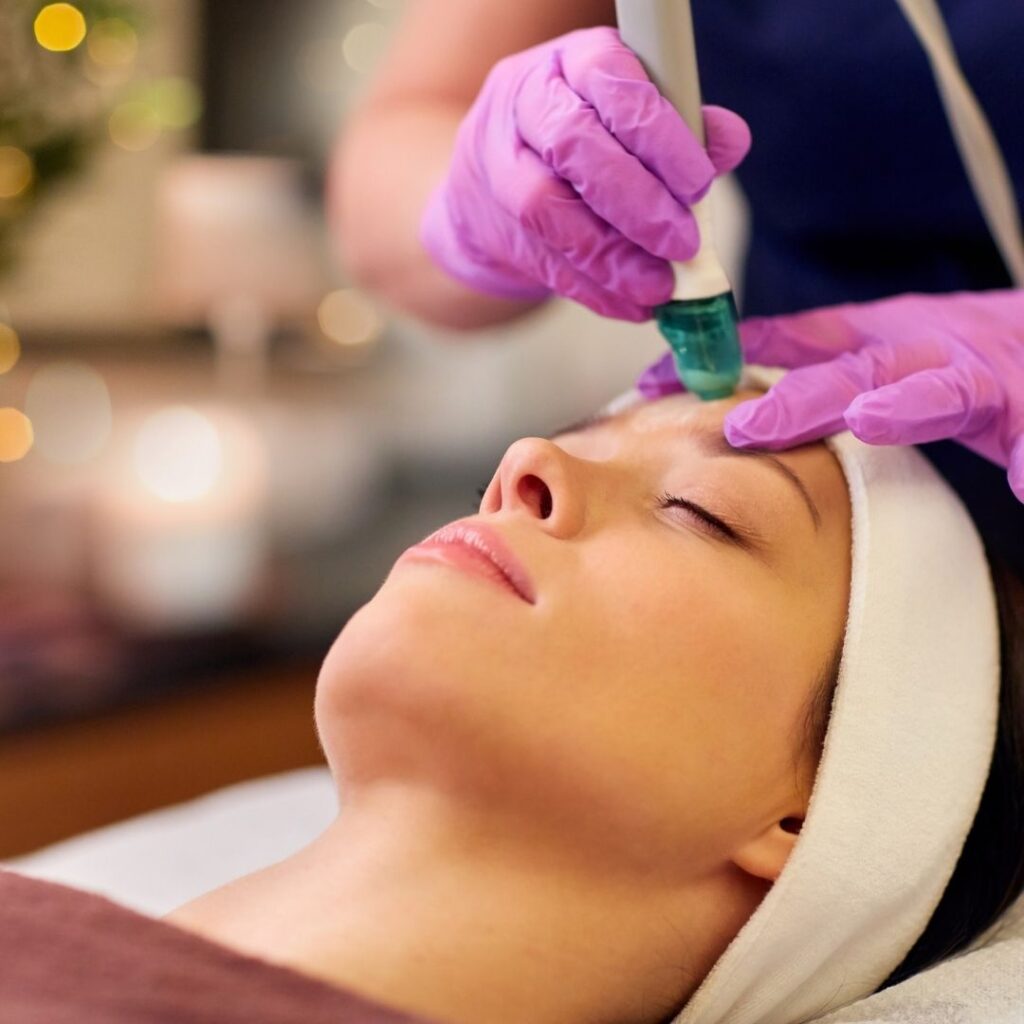
A typical microneedling session involves several steps. First, the skin is cleansed and prepped with a topical anesthetic to ensure comfort during the procedure. The microneedling device is then passed over the targeted areas, creating controlled micro-injuries. After the procedure, a soothing serum or post-treatment solution may be applied to enhance the healing process and provide nourishment to the skin.

Different techniques and depths of microneedling

Microneedling can be performed using different techniques and depths, depending on the specific needs and goals of the patient. Superficial microneedling may be suitable for mild acne scars, while deeper microneedling may be recommended for more severe scarring. The depth of microneedling is determined by the skincare professional based on individual assessments and treatment plans.

Duration and frequency of microneedling sessions

The duration and frequency of microneedling sessions can vary depending on the individual and the severity of their acne scars. In general, a series of treatments is recommended to achieve optimal results. Sessions are typically spaced apart to allow for the skin’s healing and collagen-building process. Your skincare professional will advise you on the recommended number of sessions and the appropriate intervals for your specific case.

Does Microneedling Help Acne Scars?

Possible Side Effects and Risks

Temporary redness and swelling

After microneedling, it is common for the skin to appear slightly red and swollen. This is a normal response to the micro-injuries created during the procedure. However, these side effects typically subside within a few hours to a few days. Using a gentle cleanser, applying a cold compress, and following the post-treatment instructions provided by your skincare professional can help alleviate these temporary side effects.

Risk of infection or scarring

When performed by a trained professional in a clean and sterile environment, the risk of infection or scarring from microneedling is minimal. However, it is important to adhere to proper aftercare instructions and avoid touching the treated area with dirty hands. If there are any concerns about infection or scarring, it is best to consult with a healthcare professional.

Allergic reactions to topical products used during microneedling

Some individuals may experience allergic reactions to the topical products used during microneedling, such as serums or post-treatment solutions. It is important to inform your skincare professional of any known allergies or sensitivities to minimize the risk of an adverse reaction. Patch testing may also be recommended prior to the treatment to ensure compatibility with the products used.

Real Patient Experiences and Results

Testimonials from individuals who underwent microneedling for acne scars

Many individuals who have undergone microneedling for acne scars have reported positive experiences and noticeable improvements in their skin. Testimonials often highlight the reduction in scar visibility, improved skin texture, and increased self-confidence. However, it is important to remember that individual results may vary, and it is crucial to consult with a skincare professional to determine the most suitable treatment for your specific case.

Before and after photos showcasing improvement in acne scars

Before and after photos can be valuable resources for individuals considering microneedling for acne scars. These photos provide visual evidence of the treatment’s effectiveness in reducing the appearance of scars and improving overall skin quality. When reviewed in conjunction with testimonials and professional advice, before and after photos can offer insights into the potential outcomes of microneedling.

Combination Therapy for Acne Scars

Combining microneedling with other treatments like chemical peels

Combination therapy, which involves combining microneedling with other treatments, such as chemical peels, can offer enhanced results for acne scars. Chemical peels can help to further exfoliate the skin, promote cell turnover, and improve discoloration. When combined with microneedling, these treatments work synergistically to address different aspects of acne scars, resulting in more comprehensive improvement.

Benefits and effectiveness of combination therapy

Combination therapy for acne scars can provide several benefits. By targeting acne scars through multiple approaches, including both surface-level and deeper skin layers, combination therapy can offer enhanced overall improvement. Additionally, combining different treatments can optimize the results for individuals with more severe scarring or those who have not achieved desired outcomes with single treatment modalities.

Professional guidance and customized treatment plans

When considering combination therapy for acne scars, it is crucial to consult with a skincare professional or dermatologist. They can assess your specific skin condition, recommend the most suitable combination of treatments, and create a customized treatment plan tailored to your needs. Professional guidance ensures that the chosen treatments work cohesively to achieve optimal results while minimizing potential risks.

Microneedling Results

Discover the remarkable results of microneedling for smoother, radiant skin. Learn about the process, benefits, and long-term effects in this informative post.

When it comes to achieving smoother, more radiant skin, microneedling has emerged as a popular and effective treatment. By using a device equipped with tiny needles, this procedure aims to stimulate collagen production and improve texture, tone, and overall appearance. As you explore this article, you will gain valuable insights into the microneedling process, the science behind it, and most importantly, the remarkable results it can deliver. Discover how this innovative technique can help you attain the flawless complexion you desire.

Table of Contents

What is Microneedling

Brief explanation of microneedling

Microneedling, also known as collagen induction therapy, is a minimally invasive cosmetic procedure that involves creating tiny, controlled punctures in the top layer of the skin using a handheld device called a derma roller or derma pen. This process stimulates the skin’s natural healing response and promotes the production of collagen and elastin, two proteins that are essential for maintaining the skin’s strength and elasticity.

How microneedling works

During a microneedling treatment, the tiny needles of the derma roller or derma pen create micro-injuries in the skin, triggering the release of growth factors and cytokines. These signaling molecules stimulate collagen and elastin production, which helps to improve the overall texture and appearance of the skin. Additionally, the creation of these micro-channels enhances the absorption of topical skincare products, allowing them to penetrate deeper into the skin for maximum efficacy.

Benefits of microneedling

Microneedling offers a wide range of benefits for the skin. One of the primary benefits is the improvement of skin texture, as it helps to smooth out rough patches and minimize the appearance of pores. It can also effectively reduce the visibility of fine lines, wrinkles, and scars, including those caused by acne and stretch marks. Moreover, microneedling can address hyperpigmentation issues, such as dark spots and melasma, by promoting an even skin tone. Additionally, it can help stimulate hair growth and improve the overall health of the scalp. Overall, the procedure offers a non-surgical solution for various skin concerns and can provide a more youthful and rejuvenated appearance.

Different types of microneedling treatments

There are different types of microneedling treatments available, each with its own specific benefits and considerations. Traditional microneedling involves the use of a manual derma roller, which consists of a cylindrical device with numerous tiny needles that are rolled over the skin. This technique can be effective but requires more time and effort. In contrast, automated microneedling devices, such as derma pens, offer more precise control and consistent results. These devices have disposable needle cartridges that penetrate the skin at adjustable depths, allowing for a more controlled and comfortable treatment experience. Additionally, some advanced microneedling treatments utilize radiofrequency or fractional laser technologies to further enhance the effectiveness and customization of the procedure.

Microneedling Process

Preparation for the procedure

Before undergoing a microneedling procedure, it is essential to have a consultation with a professional skincare specialist. During this consultation, your skin will be assessed to determine if you are a suitable candidate for the treatment. It is important to disclose any medical conditions, allergies, or medications you are taking that may affect the procedure’s outcome or your ability to heal. To prepare for the procedure, you may be advised to avoid sun exposure, waxing, or using certain skincare products for a few days before the treatment.

The actual microneedling process

During the microneedling procedure, your skincare specialist will cleanse your skin and apply a numbing cream to ensure your comfort. They will then select the appropriate needle length for your specific concerns and pass the derma roller or derma pen over the treatment area in a controlled and systematic pattern. The procedure may cause a mild tingling or prickling sensation, but it should not be painful. The duration of the treatment can vary depending on the size of the treatment area and the device used.

Post-treatment care

After the microneedling procedure, it is essential to follow the post-treatment care instructions provided by your skincare specialist. They may recommend using gentle, non-irritating skincare products and avoiding direct sun exposure for a few days. It is also important to avoid picking or scratching at the treated area to prevent infection or scarring. Depending on the depth of the treatment, you may experience some redness, swelling, or mild bruising, which should subside within a few days. Applying a soothing topical gel or moisturizer can help alleviate these temporary side effects.

Number of sessions required

The number of microneedling sessions required to achieve optimal results can vary depending on individual factors such as skin concerns, age, and overall skin health. In general, a series of three to six treatments, spaced about four to six weeks apart, is recommended to achieve noticeable improvements in skin texture, tone, and the reduction of fine lines and wrinkles. However, for more severe skin concerns, additional sessions may be necessary. Your skincare specialist will assess your progress and recommend the appropriate number of sessions required to meet your specific goals.

Interval between sessions

The interval between microneedling sessions is important to allow the skin to heal and regenerate properly. It is generally recommended to wait at least four to six weeks between treatments to ensure adequate collagen production and prevent overstimulation of the skin. This timeframe allows for optimal results and avoids potential side effects. However, your skincare specialist may adjust the interval based on your response to the treatment and your skin’s condition.

Microneedling Results

Immediate Effects of Microneedling

Redness and swelling

After a microneedling treatment, it is common to experience temporary redness and swelling in the treated area. This is a natural response to the micro-injuries created during the procedure. The redness and swelling typically subside within a few hours to a few days, depending on the depth of the treatment. Applying a cooling gel or using a cold compress can help alleviate these immediate side effects.

Increased absorption of skincare products

One of the immediate effects of microneedling is the enhanced absorption of skincare products. The micro-channels created during the treatment allow for better penetration of active ingredients such as hyaluronic acid, vitamin C, and peptides. This increased absorption can amplify the benefits of your regular skincare routine and provide faster and more visible results.

Improved skin texture

Microneedling helps to improve skin texture by stimulating collagen and elastin production. As the skin heals from the micro-injuries, it becomes smoother, more supple, and more even in tone. This immediate effect can be observed within a few days after the treatment and gradually improves over time with subsequent sessions.

Stimulation of collagen production

The primary objective of microneedling is to stimulate collagen production in the skin. Collagen is a protein that provides structural support and elasticity. By triggering the body’s natural collagen synthesis, microneedling helps to strengthen the skin’s foundation, improve skin elasticity, and reduce the appearance of fine lines and wrinkles. This immediate effect sets the stage for long-term improvements in skin texture and overall appearance.

Long-term Effects of Microneedling

Reduction in fine lines and wrinkles

One of the significant long-term effects of microneedling is the reduction in the visibility of fine lines and wrinkles. By stimulating collagen and elastin production, microneedling helps to improve the skin’s plumpness and elasticity, which can smooth out fine lines and reduce the depth of wrinkles. With each session, the cumulative effect of collagen remodeling and skin rejuvenation leads to more pronounced and longer-lasting results.

Improved skin tone and elasticity

Microneedling promotes the growth of new collagen fibers, which helps to improve skin tone and elasticity. Over time, the skin becomes firmer, more resilient, and less prone to sagging. This improvement in skin tone and elasticity can make the skin appear more youthful and rejuvenated.

Diminished appearance of scars and stretch marks

Microneedling can significantly reduce the appearance of various types of scars, including acne scars and stretch marks. The controlled micro-injuries created during the treatment stimulate collagen synthesis, which helps to remodel the scar tissue and improve the skin’s texture. With consistent and targeted microneedling sessions, scars can become less noticeable and blend in better with the surrounding skin.

Addressing hyperpigmentation

Hyperpigmentation refers to dark patches or spots on the skin caused by an overproduction of melanin. Microneedling can help address hyperpigmentation by promoting an even distribution of pigment and accelerating cell turnover. The micro-injuries created during the treatment trigger the skin’s healing process, leading to the shedding of damaged pigmented cells and the growth of fresh, healthy skin cells. Over time, this can result in a more even skin tone and a reduction in the appearance of dark spots and discoloration.

Microneedling Results

Microneedling for Acne and Acne Scars

Reduction of active acne

Microneedling can help reduce active acne by addressing the underlying causes of breakouts. By stimulating collagen production and improving skin texture, microneedling can minimize the appearance of enlarged pores and excess sebum production, both of which contribute to acne formation. Additionally, the micro-channels created during the treatment allow for better absorption of acne-fighting skincare products, leading to more effective treatment outcomes.

Minimization of acne scars

Acne scars can be a significant concern for those who have experienced severe or persistent acne. Microneedling can help minimize the appearance of acne scars by promoting collagen remodeling and smoothing out the irregular texture of the scar tissue. As the skin undergoes the healing process, the scars become less noticeable and blend in better with the surrounding skin. Multiple microneedling sessions are typically required to achieve optimal results for acne scar reduction.

Prevention of future breakouts

In addition to minimizing existing acne and acne scars, microneedling can also help prevent future breakouts. By improving skin texture, reducing excess oil production, and promoting a healthy skin barrier, microneedling creates an environment that is less prone to acne formation. Additionally, the enhanced absorption of skincare products during the treatment allows for the application of targeted acne-fighting ingredients to keep breakouts at bay.

Combination with other acne treatments

Microneedling can be combined with other acne treatments to enhance their effectiveness. For example, it is commonly used in conjunction with topical retinoids, which can further promote collagen production and reduce acne-related inflammation. Your skincare specialist will assess your specific skin concerns and recommend the most suitable combination of treatments to achieve optimal results.

Microneedling for Hyperpigmentation

Lightening of dark spots

Microneedling can help lighten dark spots by promoting the shedding of damaged pigmented cells and encouraging the growth of new, healthy cells. The micro-injuries created during the procedure trigger the skin’s natural exfoliation process, resulting in the gradual lightening of dark spots over time. Additionally, the improved absorption of brightening skincare products during the treatment can further accelerate the lightening process.

Treatment of melasma

Melasma is a common skin condition characterized by dark, symmetrically distributed patches on the face, typically triggered by hormonal changes or sun exposure. Microneedling can be an effective treatment for melasma by promoting the renewal of skin cells and encouraging the dispersion of excess pigment. However, it is essential to work closely with a skincare specialist to tailor the treatment to the specific needs of melasma, as it may require additional precautions and maintenance.

Evening out skin tone

Uneven skin tone can be attributed to various factors, including sun damage, aging, and hormonal changes. The controlled micro-injuries created during microneedling stimulate collagen and elastin production, leading to the regeneration of healthier skin cells and the evening out of skin tone. With each session, the skin becomes more uniform in color and texture, resulting in a more radiant and youthful appearance.

Combination with other hyperpigmentation treatments

Microneedling can be combined with other hyperpigmentation treatments to optimize results. For example, it is often used in conjunction with chemical peels or laser therapies to enhance the exfoliation process and stimulate collagen production. By combining different treatment modalities, skincare specialists can tailor the approach to the specific needs of the individual and achieve comprehensive hyperpigmentation correction.

Microneedling for Skin Rejuvenation

Enhanced skin texture and firmness

Microneedling is an excellent option for those seeking skin rejuvenation as it improves skin texture and firmness. By stimulating collagen and elastin production, microneedling helps the skin become smoother, plumper, and more supple. It can minimize the appearance of fine lines, wrinkles, and enlarged pores, resulting in a more refined and youthful complexion.

Improvement in pore size

Enlarged pores are a common concern for many individuals, especially in areas such as the nose and cheeks. Microneedling can help improve pore size by stimulating collagen synthesis and tightening the skin’s structure. As the skin becomes stronger and more elastic, pores appear smaller and less noticeable.

Promotion of a youthful glow

Microneedling promotes a youthful glow by rejuvenating the skin and improving its overall health and vitality. The procedure stimulates blood circulation, which helps deliver oxygen and nutrients to the skin cells, giving them a radiant and youthful appearance. Additionally, the microneedling process helps to increase the production of hyaluronic acid, a natural moisturizer that keeps the skin hydrated and plump.

Reduction in signs of aging

Aging can lead to the appearance of fine lines, wrinkles, and sagging skin. Microneedling can effectively reduce these signs of aging by stimulating collagen and elastin production, encouraging cell turnover, and improving the skin’s overall texture. With consistent and targeted treatments, microneedling can help turn back the clock on visible signs of aging, resulting in a more youthful and refreshed appearance.

Microneedling for Hair Growth

Stimulation of hair follicles

Microneedling can stimulate hair follicles by boosting blood circulation and delivering growth factors to the scalp. The tiny micro-injuries created during the procedure trigger the body’s natural healing response and promote the production of collagen and new hair cells. This stimulation can help nourish and revitalize hair follicles, leading to improved hair growth.

Treatment for thinning hair

Thinning hair is a common concern, particularly for both men and women experiencing age-related or hormonal hair loss. Microneedling can be an effective treatment for thinning hair by promoting the regeneration of dormant hair follicles. The procedure helps to rejuvenate the scalp, increase the density of hair follicles, and promote thicker and fuller hair growth.

Promotion of thicker and fuller hair

Microneedling’s ability to stimulate collagen and hair follicle activity can help promote the growth of thicker and fuller hair. With consistent and targeted treatments, microneedling can help individuals achieve a more voluminous and healthier-looking head of hair.

Addressing alopecia

Alopecia refers to various types of hair loss, including autoimmune-related, hormonal, and age-related causes. While microneedling cannot cure alopecia, it can be a supportive treatment option. Microneedling stimulates the scalp’s blood circulation and encourages the production of growth factors, which may help slow down or minimize hair loss in individuals with certain types of alopecia.

Microneedling for Stretch Marks

Reduction in stretch mark visibility

Stretch marks are a common concern for individuals who have experienced significant weight fluctuations, pregnancy, or rapid growth. Microneedling can help reduce the visibility of stretch marks by stimulating collagen synthesis and encouraging the regeneration of healthy skin cells. With consistent and targeted treatments, the texture and color of the stretch marks can become less noticeable, blending in better with the surrounding skin.

Stimulation of collagen to improve texture

Microneedling stimulates collagen production, which plays a crucial role in improving the texture of stretch marks. The micro-injuries created during the treatment activate the body’s natural wound healing response and trigger the production of new collagen fibers. Over time, this can smooth out the texture of stretch marks and make them appear less prominent.

Enhancement of skin’s elasticity

Stretch marks are often characterized by skin that has lost its elasticity and firmness. Microneedling can help enhance the skin’s elasticity by stimulating collagen synthesis and promoting tissue regeneration. With each treatment session, the skin becomes more resilient and better able to withstand stretching, contributing to a reduction in the appearance of stretch marks.

Combination with other stretch mark treatments

For individuals with severe or stubborn stretch marks, microneedling can be combined with other stretch mark treatments to maximize the results. For instance, combining microneedling with fractional laser therapy or radiofrequency treatments can improve the overall effectiveness and precision of the treatment. Your skincare specialist will assess your stretch marks’ severity and recommend the most suitable combination approach for optimal outcomes.

Microneedling Results on Different Skin Types

Effectiveness on dry skin

Microneedling can be effective on dry skin as it stimulates collagen production and enhances the skin’s hydration levels. By improving skin texture and strengthening the skin’s barrier function, microneedling can help dry skin retain moisture and appear more hydrated and supple. It is essential to use appropriate skincare products and moisturizers to support the skin’s healing process and maintain optimal hydration levels.

Impact on oily skin

Microneedling can have a positive impact on oily skin by regulating oil production and reducing the visibility of enlarged pores. By triggering collagen synthesis and improving skin texture, microneedling helps to balance sebum production, preventing excessive oiliness. Additionally, the enhanced absorption of skincare products during microneedling allows for the application of oil-controlling ingredients, further improving the appearance and health of oily skin.

Results for sensitive skin

Microneedling can deliver positive results for sensitive skin when performed by a trained professional who understands the unique needs and limitations of sensitive skin types. The procedure can be customized to minimize discomfort and minimize the risk of irritation or adverse reactions. Sensitive skin can benefit from the collagen-stimulating effects of microneedling, which can improve skin texture and reduce the appearance of redness and inflammation.

Microneedling with combination skin

Combination skin, characterized by a mix of oily and dry areas, can benefit from microneedling. The procedure can help balance oil production in oily areas while improving hydration in dry areas. By stimulating collagen synthesis and promoting overall skin health, microneedling can contribute to a more harmonized and balanced complexion for individuals with combination skin.

Microneedling is a versatile cosmetic procedure that offers a range of benefits for various skin concerns. From improving skin texture and reducing the signs of aging to addressing acne, hyperpigmentation, and hair loss, microneedling can provide comprehensive results with proper treatments and care. Whether you are looking to rejuvenate your skin, combat specific skin issues, or enhance your overall appearance, consult with a professional skincare specialist to determine if microneedling is the right option for you. By understanding the microneedling process, its immediate and long-term effects, and its suitability for different skin types and concerns, you can make an informed decision and embark on your journey towards healthier, more radiant skin.

What To Expect After Microneedling?

Discover the post-microneedling journey filled with benefits for your skin. From reduced lines and improved texture to a rejuvenated complexion and increased radiance, this article guides you on what to expect after microneedling. Embrace the transformative effects and enjoy a renewed version of yourself!

So you’ve just had a microneedling treatment done, and now you’re wondering what comes next? Well, prepare yourself for a post-microneedling journey that is filled with incredible benefits and a rejuvenated complexion. From reduced fine lines and wrinkles to improved skin texture and tone, this article will guide you on what to expect after microneedling and help you navigate the exciting results that lie ahead. Get ready to embrace a renewed and refreshed version of yourself!

Skin Redness and Inflammation

Temporary redness

After undergoing microneedling, one of the common side effects you may experience is temporary redness in the treated area. This redness is a result of the micro-injuries created by the tiny needles used during the procedure. The redness typically lasts for a few hours or up to a couple of days, depending on the individual’s skin sensitivity.

Swelling

Along with the temporary redness, you may also notice some swelling in the treated area. This swelling is a natural response of the body to the micro-injuries caused by the microneedling process. It is important to note that the swelling usually subsides within a few days, allowing you to fully enjoy the benefits of microneedling.

Possible itching

In some cases, you may experience itching in the treated area post-microneedling. This itchiness is a common side effect that occurs as the skin goes through the healing process. However, it is crucial not to scratch or rub the area, as this can aggravate the skin and potentially lead to complications. Instead, follow the aftercare instructions provided by your skincare professional to ensure optimal healing and minimize any discomfort.

Skin Sensitivity

Increased sensitivity to skincare products

Following microneedling, your skin may become more sensitive to skincare products. This increased sensitivity is due to the micro-injuries that the procedure induces, making your skin more receptive to the ingredients in skincare products. It is important to choose gentle, non-irritating products to avoid any adverse reactions. Consult with your skincare specialist to determine which products are best suited for your post-microneedling skincare routine.

Potential dryness or flakiness

Another common effect of microneedling is temporary dryness or flakiness in the treated area. This occurs as the skin repairs itself and sheds any dead skin cells. It is crucial to keep your skin hydrated by using moisturizers or serums recommended by your skincare professional. These products can help soothe dryness and promote healthy skin regeneration, ensuring a smooth and radiant complexion.

What To Expect After Microneedling?

Skin Tightness

Feeling of tightness

After microneedling, it is normal to experience a temporary feeling of tightness in the treated area. This sensation occurs due to the stimulation of collagen production, which helps to improve the overall texture and elasticity of the skin. Embrace the feeling of tightness as a sign that the microneedling process is working to promote healthier, firmer skin.

Possible mild discomfort

While microneedling is generally a well-tolerated procedure, you may experience mild discomfort during and after the treatment. The sensation can vary from person to person, with some individuals describing it as a tingling or pricking feeling. Don’t worry, though, as any discomfort should subside within a short period of time, leaving you with the desired results of microneedling.

Peeling and Dryness

Dryness and flakiness

You may notice some dryness and flakiness in the treated area after microneedling. This is a natural part of the skin’s healing process and occurs as the top layer of skin renews itself. It is crucial to avoid picking or peeling the skin, as this can disrupt the healing process and potentially lead to skin damage or infections. Instead, use gentle cleansers and moisturizers to keep your skin hydrated and promote healthy skin cell turnover.

Mild peeling of the skin

As your skin regenerates, you may experience mild peeling in the treated area. This peeling is a positive sign that the microneedling treatment has stimulated the renewal process, leading to the shedding of old and damaged skin cells. Embrace this phase as your skin rejuvenates itself, revealing a more radiant and refreshed complexion.

What To Expect After Microneedling?

Skin Discoloration

Temporary skin discoloration

It is not uncommon to notice temporary skin discoloration following a microneedling treatment. The discoloration may appear as a slight change in skin tone or red or brown patches in the treated area. This is a normal reaction and is usually a result of the increased blood flow and healing response triggered by microneedling. The skin discoloration typically fades within a few days or weeks, revealing a more even and rejuvenated complexion.

Possible appearance of small bruises

In some cases, you may notice the appearance of small bruises after microneedling. These bruises are typically mild and occur as a result of the micro-injuries induced during the treatment. The bruising usually subsides on its own within a week or so. If you are concerned about the bruises, consult with your skincare professional for appropriate guidance and reassurance.

Appearance of Fine Puncture Marks

Temporary presence of tiny puncture marks

Following microneedling, you may notice the temporary presence of tiny puncture marks in the treated area. These marks are a natural result of the microneedling process, where the controlled punctures are made using fine needles. However, as the skin heals, these puncture marks gradually fade away, leaving behind smoother and more rejuvenated-looking skin.

Marks may take some time to fade

It is important to note that the amount of time it takes for the puncture marks to fade can vary from person to person. Factors such as skin type, healing rate, and aftercare practices can influence the duration of the marks’ visibility. Be patient and consistent with your skincare routine, and over time, you will notice the puncture marks becoming less noticeable, ultimately revealing the improved texture and appearance of your skin.

What To Expect After Microneedling?

Improved Skin Texture

Smooth and refined skin texture

One of the exciting benefits of microneedling is an improvement in skin texture. As the tiny needles create controlled micro-injuries, the skin’s natural healing process is triggered, stimulating collagen and elastin production. This increased production of these essential proteins helps to smooth and refine the texture of your skin, diminishing the appearance of fine lines, wrinkles, and acne scars.

Visible reduction in pore size

Microneedling can also lead to a visible reduction in pore size. As new collagen is produced and the skin’s texture improves, your pores may appear smaller and less noticeable. This can result in a more even complexion and a smoother canvas for your makeup application. Embrace the benefits of microneedling as you enjoy a rejuvenated and refined skin texture.

Increased Radiance and Glow

Enhanced skin radiance and natural glow

One of the wonderful outcomes of microneedling is the enhanced skin radiance and natural glow that it can bring. As the micro-injuries during the treatment stimulate blood circulation and collagen production, your skin will appear brighter and more luminous. Over time, you will notice that your complexion looks healthier and rejuvenated, with a radiant glow that boosts your confidence and natural beauty.

Improved overall complexion

In addition to the increased radiance and glow, microneedling can also contribute to an improved overall complexion. The renewal of skin cells, boosted collagen production, and reduction in imperfections such as scars or hyperpigmentation can result in a more even skin tone and texture. Embrace the transformative effects of microneedling as your complexion becomes more vibrant, youthful, and balanced.

Slight Breakouts

Possible occurrence of minor breakouts

While it may sound counterintuitive, it is possible to experience minor breakouts after microneedling. This is known as the purging process, where the skin expels impurities and toxins, resulting in temporary acne-like breakouts. It is essential to maintain a consistent skincare routine and avoid using harsh or irritating products during this phase. As your skin adjusts and the purging process subsides, you will notice clearer and healthier skin emerging.

Skin may go through a purging process

During the purging process, you may notice an increase in blemishes or pimples on the treated area. It is important not to be discouraged by these temporary breakouts, as they are a natural response of the skin purging built-up impurities. Stick to a gentle cleansing routine and consult with your skincare professional for any concerns or guidance. The purging phase will pass, leaving you with a clearer and more radiant complexion.

Gradual Collagen Stimulation

Results not immediately visible

It’s important to understand that the results of microneedling are not immediately visible. While you may notice some immediate improvements in your skin’s texture and radiance, the full effects of collagen stimulation will gradually become more apparent over time. Your skin will continue to rebuild and strengthen its collagen and elastin fibers, resulting in long-lasting and natural-looking improvements.

Collagen production gradually increases over time

The microneedling process stimulates collagen production within the skin, but this process takes time. As the weeks and months pass, you will gradually notice a reduction in fine lines, wrinkles, and other skin concerns. Patience is key when it comes to seeing the full benefits of microneedling, as collagen production is a gradual and ongoing process. Trust in the procedure and enjoy the journey of seeing your skin transform and rejuvenate.

In conclusion, microneedling can bring about a range of visible improvements to your skin, from enhanced radiance and texture to a reduction in fine lines and pore size. While it is important to be aware of the temporary side effects such as redness, swelling, and possible breakouts, these are all part of the skin’s natural healing process. With proper aftercare and a consistent skincare routine, you can support your skin’s rejuvenation and enjoy the long-lasting benefits of microneedling. Embrace the journey toward healthier, more vibrant skin as you discover the transformative effects of this innovative skincare treatment.

en_USEnglish