Discover the essential steps for optimal post microneedling care. From soothing serums to sun protection, learn how to maximize your results.
Microneedling has become a popular treatment option for many individuals seeking to improve the appearance of their skin. However, it is essential to consider the necessary care and precautions after undergoing this procedure. In this article, you will discover the key steps and practices to ensure optimal post microneedling care. From understanding the importance of keeping the treated area clean and moisturized to avoiding direct sun exposure, we will guide you through the essential aspects of caring for your skin post microneedling, ultimately facilitating the healing process and maximizing the results of your treatment.
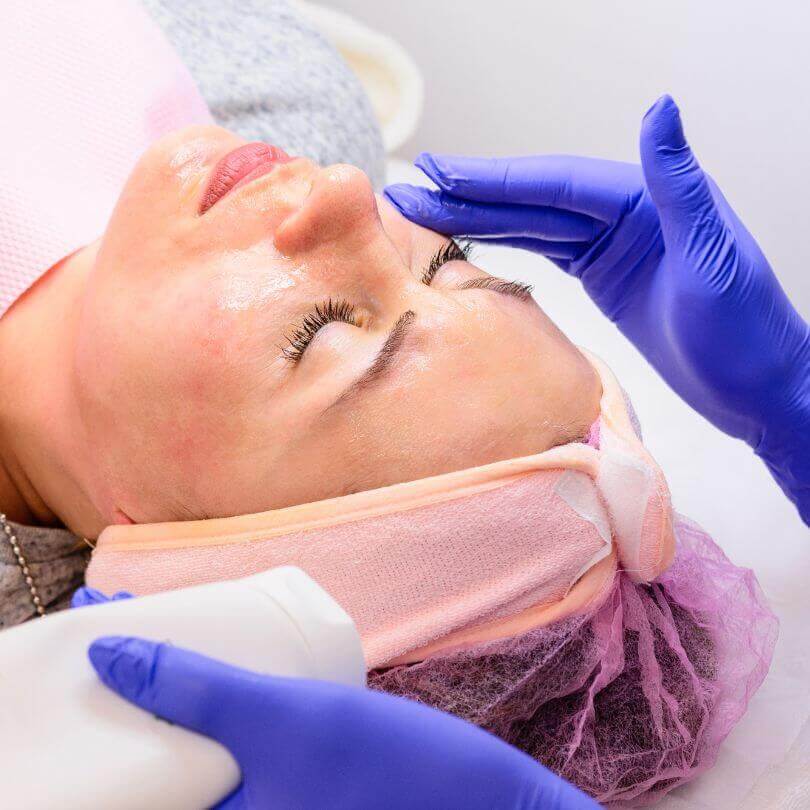
Microneedling is a popular skincare treatment that involves creating tiny punctures in the skin to stimulate collagen production and improve skin texture. After undergoing microneedling, it is crucial to provide the skin with proper care to ensure optimal healing and results. Here are some important post-microneedling care tips to follow:
Apply a soothing serum
Following a microneedling session, it is recommended to apply a soothing serum to the treated area. This helps to calm the skin and minimize any redness or irritation that may occur. Look for serums that contain ingredients like aloe vera, hyaluronic acid, or chamomile extract, as these have soothing properties and can aid in the skin’s healing process.
Avoid direct sunlight
UV rays from the sun can be harmful to the skin, especially after microneedling. It is crucial to avoid direct sunlight and wear sun protection when going outside. The skin is more susceptible to sun damage and hyperpigmentation post-treatment, so it is essential to protect it by seeking shade, wearing a broad-spectrum sunscreen, and using a wide-brimmed hat.
Gently cleanse the treated area
Keeping the treated area clean is vital to prevent infection and promote healing. However, it is important to be gentle when cleansing the skin to avoid irritation or disruption of the healing process. Use a mild, non-abrasive cleanser and lukewarm water to cleanse the area. Avoid using harsh scrubs or exfoliants, as these can aggravate the skin and cause discomfort.
Avoid heavy makeup
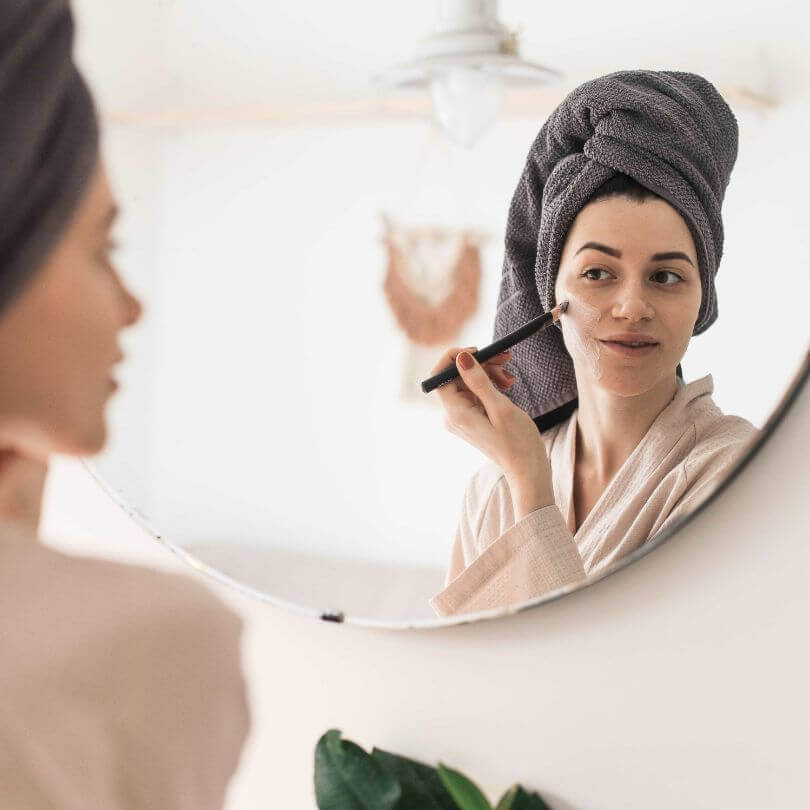
After microneedling, it is best to avoid applying heavy makeup to the treated area. Opt for lightweight, breathable makeup or consider going makeup-free until the skin has fully healed. Heavy makeup can clog pores and potentially interfere with the skin’s ability to heal properly. Allow your skin to breathe and recover in the days following the treatment.
Keep the skin hydrated
Proper hydration is key to promoting skin healing and maintaining its health. After microneedling, the skin may feel dry or tight. To combat this, make sure to drink plenty of water and use hydrating skincare products. Look for moisturizers or hydrating masks that contain ingredients like hyaluronic acid, glycerin, or ceramides. These ingredients help to lock in moisture and keep the skin hydrated throughout the healing process.
Use a mild moisturizer
In addition to keeping the skin hydrated, it is important to use a mild moisturizer specifically formulated for post-treatment care. Look for moisturizers that are non-comedogenic and free from heavy fragrances or potentially irritating ingredients. Apply the moisturizer to the treated area gently, using clean hands or a sterile cotton pad. This will help to replenish the skin’s moisture barrier and promote healing.
Avoid picking or scratching the skin
After microneedling, the skin may feel itchy or irritated as it heals. However, it is crucial to resist the urge to pick or scratch at the skin. Picking at the treated area can introduce bacteria and lead to infections or scarring. Instead, try applying a cold compress or using a skin-soothing product to alleviate any discomfort or itchiness, and allow the skin to heal naturally.
Avoid harsh skincare products
While it is important to continue with a skincare routine post-microneedling, it is best to avoid using harsh or abrasive skincare products. This includes products that contain strong acids, retinol, or exfoliating agents. These can be too harsh for the skin while it is healing and may cause additional irritation or sensitivity. Stick to gentle cleansers, moisturizers, and serums during the recovery period.
Protect the skin with sunscreen
UV protection is crucial for maintaining the results of microneedling and protecting the skin from further damage. After the treatment, the skin may be more sensitive to the sun’s rays. Therefore, it is essential to apply sunscreen with a high SPF on a daily basis, even if you don’t plan on spending much time outdoors. Be sure to reapply sunscreen every two hours and seek shade when possible.
Follow the post-treatment instructions
Every individual’s skin and microneedling treatment may vary. Therefore, it is essential to follow the specific post-treatment instructions given by your skincare professional. They will provide guidance on how to care for your skin, what products to use, and any additional precautions or recommendations. Following these instructions diligently will help ensure the best possible results and minimize any potential complications.
In conclusion, proper post-microneedling care is crucial for optimal results and skin healing. By following these tips, such as applying a soothing serum, avoiding direct sunlight, gently cleansing the treated area, avoiding heavy makeup, keeping the skin hydrated, using a mild moisturizer, avoiding picking or scratching the skin, avoiding harsh skincare products, protecting the skin with sunscreen, and following the post-treatment instructions, you can enhance the healing process and maintain healthy, rejuvenated skin. Remember, consult with your skincare professional for personalized advice and recommendations based on your specific needs.
Discover how many microneedling sessions are needed to fade away acne scars. Get valuable insights and guidance in this informative post.
When it comes to treating stubborn acne scars, microneedling has emerged as a popular and effective solution. But how many sessions of microneedling are necessary to achieve noticeable results? If you’re eager to bid farewell to those imperfections, you’ll be pleased to know that this article will provide you with valuable insights and guidance on determining the optimal number of microneedling sessions required to fade away those pesky acne scars. So, get ready to discover the journey towards flawless skin!
Microneedling is a popular and effective treatment method for acne scars. It involves the use of a device with tiny needles to create small punctures in the skin’s surface. These micro-injuries stimulate the body’s natural healing process, leading to the production of collagen and elastin, which helps in improving the appearance of acne scars.
What is Microneedling?
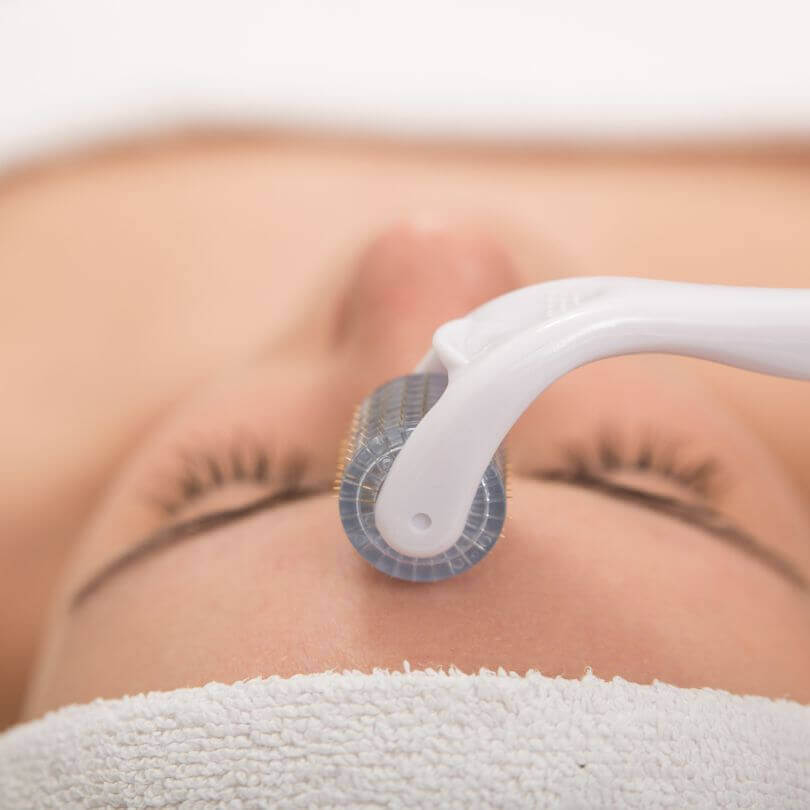
Microneedling, also known as collagen induction therapy, is a minimally invasive procedure that aims to improve the texture and appearance of the skin. The procedure is performed using a device called a derma roller or microneedling pen, which contains tiny needles. These needles create controlled injuries in the skin, prompting the body to produce more collagen and regenerate new skin cells.
How does Microneedling Work?
Microneedling works by creating micro-injuries in the skin, which trigger the body’s natural healing response. When the needles penetrate the skin, they break up scar tissue and stimulate the production of collagen, a protein that helps in skin regeneration. As the skin heals, it becomes smoother and more evenly toned, reducing the appearance of acne scars.
Why is Microneedling Effective for Acne Scars?
Microneedling is particularly effective for acne scars due to its ability to address the underlying cause of the scarring. Acne scars occur when the skin’s natural healing process is disrupted during the inflammatory response to acne. By stimulating collagen production and promoting skin regeneration, microneedling helps to minimize the appearance of scars and improve overall skin texture.
Factors Affecting the Number of Microneedling Sessions
The severity of your acne scars plays a significant role in determining the number of microneedling sessions needed. Deeper and more extensive scars may require more sessions to achieve satisfactory results.
Skin Type and Condition
The type and condition of your skin can also impact the number of microneedling sessions needed. Different skin types respond differently to treatment, and certain skin conditions may require additional sessions for optimal results.
Individual Healing Response
Every individual’s healing response is unique, and this can affect the number of sessions required for successful scar improvement. Some individuals may heal and regenerate skin cells more quickly, while others may require additional sessions for noticeable improvement.
Overall Health
Your overall health can also influence the number of microneedling sessions needed. A healthy lifestyle, proper nutrition, and good skincare routine can contribute to better healing and more successful results.
Consulting with a Dermatologist
Before undergoing microneedling for acne scars, it is crucial to consult with a qualified dermatologist. They will evaluate your skin condition, discuss your treatment goals, and develop a customized treatment plan tailored to your specific needs.
Importance of Professional Evaluation
A professional evaluation is essential to determine the suitability of microneedling for your acne scars. A dermatologist’s expertise will help assess the severity of your scars, identify any underlying skin conditions, and recommend the most appropriate treatment approach.
Customized Treatment Plan
Based on their evaluation, a dermatologist will create a customized treatment plan that takes into account the specific characteristics of your acne scars and your individual needs. This ensures that you receive the most effective treatment and the best possible results.
Determining the Number of Sessions
During your consultation, the dermatologist will discuss the estimated number of microneedling sessions required to achieve your desired outcome. This will depend on factors such as the severity of your acne scars, your skin’s response to treatment, and your overall health. The dermatologist may also adjust the treatment plan as necessary based on your progress and response to treatment.
Typical Range of Microneedling Sessions
The number of microneedling sessions needed for acne scars can vary from person to person. However, there is a typical range that can serve as a guideline.
Minimum Number of Sessions
The minimum number of microneedling sessions for acne scars is usually around 3-4 sessions. This number allows for significant improvement in the appearance of scars and the overall texture of the skin. However, individual factors and scar severity may require additional sessions.
Average Number of Sessions
The average number of microneedling sessions for acne scars typically ranges from 4-6 sessions. This range is often sufficient to achieve noticeable improvement in scar appearance and skin texture. However, it is important to remember that each individual’s response to treatment may vary.
Maximum Number of Sessions
In some cases, more severe acne scars may require a higher number of microneedling sessions. The maximum number of sessions can vary but usually does not exceed 10-12 sessions. Beyond this point, the benefits of microneedling may become limited, and alternative treatment options may be considered.
Monitoring Progress and Results
Throughout the course of your microneedling sessions, it is crucial to monitor your progress and evaluate the results.
Tracking Scar Improvement
Regularly track the improvement of your acne scars to determine the effectiveness of microneedling. Take photographs before and after each session to compare the changes visually. This will help you and your dermatologist assess the progress made and make any necessary adjustments to the treatment plan.
Evaluating Response to Treatment
Pay attention to how your skin responds to each microneedling session. Take note of any changes in scar appearance, skin texture, and overall complexion. This will enable you to communicate effectively with your dermatologist and ensure that the treatment is on track.
Adjusting Number of Sessions
Based on the evaluation of your progress and response to treatment, your dermatologist may recommend adjusting the number of microneedling sessions. This flexibility allows for a personalized approach catered to your individual needs, ensuring the best possible outcomes.
Interval Between Microneedling Sessions
The interval between microneedling sessions is another crucial factor to consider for optimal results and proper skin healing.
Recommended Timeframe
The recommended timeframe between microneedling sessions is typically 4-6 weeks. This allows adequate time for the skin to heal, regenerate, and reap the benefits of the previous session before undergoing the next one.
Allowing Skin Healing
The skin needs time to heal and rebuild collagen after each microneedling session. Rushing into subsequent sessions without allowing enough healing time can hinder the effectiveness of the treatment and increase the risk of complications. It is important to be patient and adhere to the recommended timeframe.
Avoiding Over-Exfoliation
Over-exfoliation can be harmful to the skin, especially after microneedling. It is crucial to avoid any additional exfoliating treatments or harsh skincare products between sessions. This allows the skin to recover properly and ensures that the microneedling treatment can work its magic.
Microneedling creates microscopic channels in the skin, which allows for better absorption of topical treatments. Applying clinically proven skincare products after microneedling can deliver active ingredients directly to the deeper layers of the skin, maximizing their effectiveness in scar reduction.
Additional Procedures for Scar Reduction
In certain cases, your dermatologist may recommend combining microneedling with other procedures such as laser therapy or chemical peels. These additional treatments can provide complementary effects and further improve the appearance of acne scars.
Frequency of Maintenance Sessions
After completing the recommended number of microneedling sessions, maintenance sessions may be necessary to prevent the recurrence of acne scars.
Preventing Scar Reappearance
Maintenance sessions can help prevent the reappearance of acne scars and maintain the results achieved through microneedling. These sessions are typically spaced further apart, with intervals ranging from 3-6 months, depending on individual factors and scar severity.
Long-term Maintenance Plan
Developing a long-term maintenance plan in collaboration with your dermatologist is important for sustained improvement in scar appearance. This may involve periodic microneedling sessions or other treatments tailored to your specific needs, ensuring that your skin remains healthy and smooth in the long run.
Preparation and Aftercare
Proper preparation and aftercare are crucial to optimize the results of microneedling and promote efficient healing.
Skin Preparation Guidelines
Before undergoing microneedling, follow your dermatologist’s guidelines for skin preparation. This may involve avoiding certain skincare products or treatments that could interfere with the procedure. Follow a gentle cleansing and moisturizing routine to ensure the skin is in the best possible condition for treatment.
Post-Treatment Care Instructions
After microneedling, it is essential to follow your dermatologist’s post-treatment care instructions. This includes avoiding direct sun exposure, wearing SPF, and using gentle skincare products. It is also important to keep the skin moisturized and hydrated to aid in the healing process and maximize the results.
Microneedling Sessions for Different Types of Acne Scars
Different types of acne scars may require varying approaches and treatment plans. Here are some key considerations for specific scar types:
Rolling Scars
Rolling scars are characterized by shallow indentations and a wave-like appearance. Microneedling can help stimulate collagen production and improve the overall texture of the skin, making rolling scars less noticeable over time.
Boxcar Scars
Boxcar scars are wider and deeper than rolling scars, with defined edges. Microneedling can help smooth out the edges of boxcar scars and promote collagen production, gradually reducing their appearance.
Ice Pick Scars
Ice pick scars are deep, narrow scars that resemble small puncture marks. Microneedling can stimulate collagen production and help fill in the indentations caused by ice pick scars, leading to a more even skin surface.
Hypertrophic Scars
Hypertrophic scars are raised scars that may be red or pink in color. Microneedling can help break up scar tissue, improve collagen production, and reduce the height and redness of hypertrophic scars over time.
Keloid Scars
Keloid scars are thick, raised scars that extend beyond the boundaries of the original injury. Microneedling can help flatten and soften keloid scars, but caution must be exercised as the treatment may stimulate additional collagen production in some individuals.
In conclusion, microneedling is a highly effective treatment option for reducing the appearance of acne scars. The number of sessions required depends on various factors, including scar severity, skin type, individual healing response, and overall health. Consulting with a dermatologist is essential to ensure personalized evaluation, treatment planning, and monitoring of progress. Proper preparation, aftercare, and maintenance sessions are crucial for optimal results, and combining microneedling with other treatments can enhance the scar reduction process. With the right approach and guidance, microneedling can provide significant improvement in acne scars and help you achieve smoother, more radiant skin.
Looking to reduce wrinkles? Learn how many microneedling sessions you may need for smoother, younger-looking skin. Find all the information you need in this article.
Ready to say goodbye to those pesky wrinkles? If you’re considering microneedling as a solution, you may be wondering just how many sessions it will take to achieve smoother, younger-looking skin. Look no further, because we’ve got the answer for you. In this article, we will explore the optimal number of microneedling sessions needed to effectively reduce wrinkles, leaving you with all the information you need to make the best decision for your skin. Get ready to say hello to a more radiant and youthful complexion!
Microneedling, also known as collagen induction therapy, is a non-invasive cosmetic procedure that involves using a device with small needles to create micro-injuries on the skin’s surface. These controlled micro-injuries stimulate the body’s natural healing process, leading to increased collagen and elastin production. As a result, microneedling can improve the appearance of wrinkles, fine lines, scars, and overall skin texture.
How does microneedling work?
During a microneedling session, a trained professional will use a device with small, sterile needles to create tiny punctures in the top layer of your skin. These punctures, or micro-channels, trigger your body’s healing response. As a result, collagen and elastin production increase, leading to the formation of new skin cells and healthier, younger-looking skin.
Benefits of microneedling for wrinkles
Microneedling offers several benefits for reducing the appearance of wrinkles. Firstly, it stimulates collagen and elastin production, which helps to plump and tighten the skin, reducing the depth of wrinkles. Additionally, microneedling can improve skin texture and tone, resulting in a more youthful and radiant complexion. It is a safe and effective treatment option for wrinkles, suitable for individuals of all skin types and ages.
Factors That Determine the Number of Sessions
Severity of wrinkles
The severity of your wrinkles plays a significant role in determining the number of microneedling sessions you may need. Mild to moderate wrinkles may require fewer sessions, while deeper wrinkles may require more treatment sessions to achieve optimal results. A consultation with a skincare professional will help determine the severity of your wrinkles and the appropriate treatment plan.
Skin type
Your skin type can influence the number of microneedling sessions required for wrinkle reduction. Individuals with thicker and more resilient skin may require fewer sessions, as their skin may respond more quickly to the treatment. On the other hand, individuals with thinner or more sensitive skin may need additional sessions to achieve the desired results. A skincare professional will assess your skin type and customize the treatment plan accordingly.
Age
Age also plays a role in determining the number of microneedling sessions needed for wrinkles. Younger individuals may require fewer sessions as their skin tends to be more responsive to collagen stimulation. Older individuals with more pronounced signs of aging may need additional sessions to achieve significant wrinkle reduction. Your skincare professional will consider your age when designing the treatment plan.
Overall health
Your overall health can impact the number of microneedling sessions required. Certain health conditions or medications may affect the healing process and the skin’s response to the treatment. Consult with a healthcare professional or your dermatologist to ensure that microneedling is a safe and suitable option for you.
Lifestyle habits
Lifestyle habits, such as smoking, sun exposure, and skincare routines, can also influence the number of microneedling sessions needed for wrinkle reduction. Individuals who engage in unhealthy habits or fail to protect their skin from sun damage may require additional sessions to achieve optimal results. It is essential to follow a healthy lifestyle and practice good skincare habits to maximize the benefits of microneedling.
Typical Number of Microneedling Sessions
General recommendation
On average, a series of three to six microneedling sessions spaced four to six weeks apart is recommended for wrinkles. This timeframe allows for optimal collagen production and gradual improvement in the appearance of wrinkles. However, the exact number of sessions may vary based on individual factors and desired outcomes.
Variances based on individual factors
Individual factors, such as the severity of wrinkles, skin type, age, overall health, and lifestyle habits, can influence the number of microneedling sessions required. Some individuals may see significant improvements after just a few sessions, while others may require additional treatments for optimal results. Your skincare professional will assess these factors and customize the treatment plan accordingly.
Results and Progression
Noticeable improvement
Microneedling can lead to noticeable improvements in wrinkles and overall skin texture. While individual results may vary, most individuals experience a reduction in the depth of wrinkles and an overall rejuvenation of the skin. The skin may appear smoother, firmer, and more youthful.
Timeframe for results
Results from microneedling sessions are not immediate, as the skin’s healing process takes time. It typically takes several weeks to see noticeable improvements in wrinkles. Collagen production continues to stimulate over several months, leading to further enhancements in skin texture and tone. Patience and consistency with the recommended treatment plan are key to achieving optimal results.
Maintenance sessions
After completing the initial series of microneedling sessions, maintenance sessions are recommended to sustain the results. These maintenance sessions can be scheduled every three to six months, depending on individual needs. Regular maintenance sessions help to prolong the benefits of microneedling and maintain healthy, youthful-looking skin.
Choosing a Professional for Microneedling
Certification and experience
When choosing a professional for microneedling, it is essential to consider their certification and experience. Look for skincare professionals who are certified in microneedling and have extensive experience performing the procedure. This ensures that you are receiving treatment from a qualified and knowledgeable practitioner.
Reputable clinic or spa
Selecting a reputable clinic or spa is crucial for the safety and effectiveness of your microneedling sessions. Research and read reviews to ensure that the establishment follows best practices, maintains high standards of hygiene, and provides a comfortable and professional environment for the treatment.
Safety precautions
A reliable professional will prioritize safety during microneedling sessions. They should use sterilized needles and adhere to strict hygiene practices. The professional should also discuss any potential risks or side effects before the treatment, and provide guidance on post-treatment care and recovery.
Consultation process
A thorough consultation process is key to a successful microneedling treatment. The professional should assess your skin condition, discuss your concerns and goals, and explain the recommended treatment plan. They should also address any questions or doubts you may have, ensuring that you are well-informed and comfortable with the procedure.
Preparing for Microneedling Sessions
Avoid sun exposure
Before your microneedling session, it is crucial to avoid excessive sun exposure. Sunburned or sun-damaged skin may be more sensitive and prone to complications during the treatment. Protect your skin from the sun by wearing sunscreen and seeking shade in the weeks leading up to your appointment.
Discontinue certain skincare products
Your skincare professional may advise you to discontinue using certain skincare products before your microneedling session. This may include retinol creams, exfoliants, or harsh cleansers, as these products can cause skin irritation during the procedure. Follow the recommended skincare routine provided by your professional for optimal results.
Informing the technician about medical conditions or medications
It is vital to inform your skincare professional about any existing medical conditions or medications you are taking. Certain health conditions and medications may affect your skin’s healing response or increase the risk of complications during the procedure. Transparency about your medical history ensures that the treatment plan is tailored to your specific needs and safety.
Arriving with clean skin
Before your microneedling session, ensure that your skin is clean and free of any makeup, lotions, or oils. This allows for better product penetration and reduces the risk of irritation or infection. Cleanse your face gently with a mild cleanser and avoid applying any products before the procedure.
During the Microneedling Session
Numbing cream application
To minimize discomfort during the microneedling procedure, a topical numbing cream may be applied to your skin beforehand. The numbing cream helps to alleviate any potential pain or discomfort caused by the tiny needles. Your skincare professional will ensure that you are comfortable throughout the treatment.
Microneedling procedure
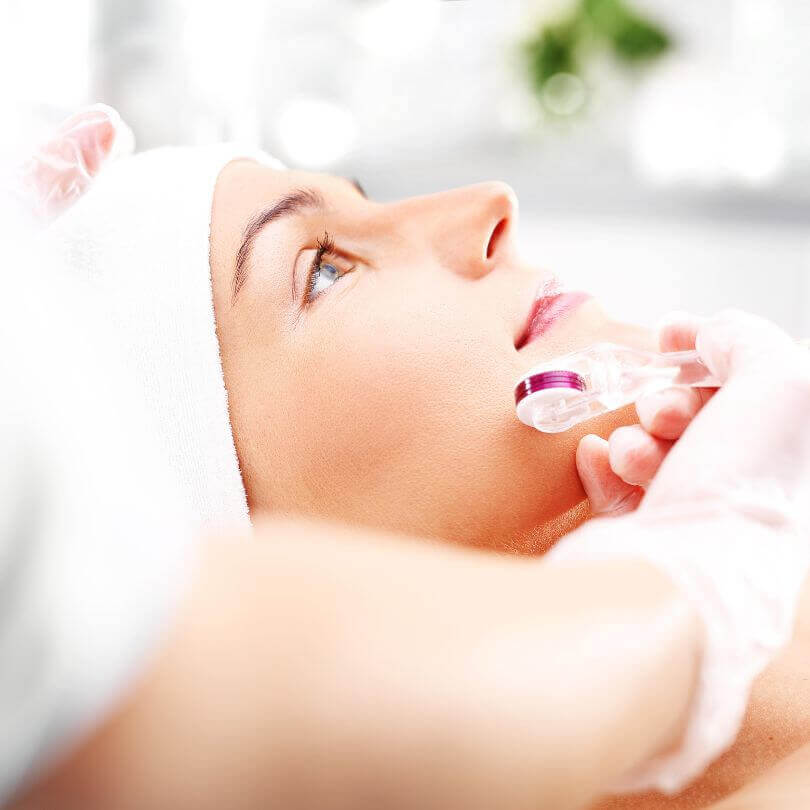
During the microneedling procedure, the professional will gently glide the device over your skin, creating micro-channels. The depth and intensity of the treatment will be adjusted based on your specific needs and tolerance. The procedure is generally well-tolerated, and any discomfort is usually minimal.
Monitoring by the professional
Throughout the microneedling session, the professional will closely monitor your skin’s response and ensure that the treatment is administered safely and effectively. They will apply appropriate pressure and adjust the device as needed. Your comfort and safety are the top priorities during the procedure.
Aftercare and Recovery
Post-treatment skincare routine
After your microneedling session, your skincare professional will provide you with a post-treatment skincare routine. This may include gentle cleansers, moisturizers, and serums that support the healing process and enhance the results of the treatment. It is crucial to follow these instructions carefully for optimal recovery and long-term benefits.
Avoiding certain activities
To promote proper healing and prevent complications, it is important to avoid certain activities after microneedling. This may include avoiding excessive sun exposure, intense physical activities, hot showers, and saunas for a few days following the procedure. Your skincare professional will provide specific guidelines tailored to your needs.
Duration of recovery
The recovery time after microneedling is generally minimal. Most individuals experience redness and mild swelling for a day or two, similar to a mild sunburn. This can be easily covered with makeup. The skin may feel slightly sensitive during this time. However, the recovery time may vary depending on individual factors and the intensity of the treatment.
Possible side effects and how to manage them
While microneedling is a safe procedure, some potential side effects may occur. These can include temporary redness, swelling, and possible pinpoint bleeding. These side effects are typically mild and subside within a few days. Your skincare professional will provide guidance on how to manage these side effects and may recommend products or post-treatment care to alleviate any discomfort.
Follow-up Consultations
Assessing progress
Follow-up consultations with your skincare professional are essential to assess the progress of your microneedling treatment. These consultations allow the professional to evaluate the improvement in your wrinkles, address any concerns or questions you may have, and make any necessary adjustments to your treatment plan. Regular assessments ensure that you achieve the desired results and maintain healthy skin.
Adjusting treatment plan
Based on the progress and assessment during follow-up consultations, your skincare professional may recommend adjusting your treatment plan. This may include altering the number of future sessions, adjusting the intensity of the treatment, or incorporating additional skincare products or procedures to maximize the benefits. Your professional will customize the treatment plan based on your individual needs and goals.
Addressing any concerns or questions
Follow-up consultations provide an opportunity for open communication between you and your skincare professional. During these appointments, you can address any concerns or questions you may have about the treatment, aftercare, or long-term skincare. Your professional will provide guidance and reassurance, ensuring that you are well-informed and confident in your skincare journey.
Alternative Treatments for Wrinkles
Injectables (Botox, dermal fillers)
Injectables, such as Botox and dermal fillers, are popular non-surgical treatments for wrinkles. Botox temporarily relaxes the facial muscles, reducing the appearance of dynamic wrinkles, while dermal fillers restore volume and smooth out static wrinkles. These treatments can complement microneedling or serve as alternative options, depending on your specific needs and goals.
Chemical peels
Chemical peels involve applying a chemical solution to the skin, which promotes exfoliation and reveals fresher, smoother skin. They can be effective in reducing the appearance of wrinkles, improving skin texture, and enhancing overall skin tone. Chemical peels can be a viable alternative or adjunctive treatment to microneedling for wrinkles.
Laser resurfacing
Laser resurfacing treatments use laser technology to target the deeper layers of the skin, stimulating collagen production and reducing the appearance of wrinkles. This procedure offers more precise and customizable results, making it a popular choice for individuals with moderate to severe wrinkles. Laser resurfacing can be an alternative or complementary treatment to microneedling.
Microdermabrasion
Microdermabrasion is a gentle exfoliating technique that removes the outermost layer of dead skin cells, revealing smoother and brighter skin. While it may not directly target deep wrinkles, it can improve skin texture, diminish fine lines, and promote overall skin rejuvenation. Microdermabrasion can be considered as a maintenance or supplementary treatment alongside microneedling.
In conclusion, microneedling is a versatile and effective treatment option for reducing wrinkles. The number of microneedling sessions needed varies based on individual factors such as the severity of wrinkles, skin type, age, overall health, and lifestyle habits. Results and progression take time, and maintenance sessions are recommended to sustain the benefits. It is crucial to choose a certified professional, follow pre-and post-treatment guidelines, and attend follow-up consultations for optimal results. Additionally, alternative treatments like injectables, chemical peels, laser resurfacing, and microdermabrasion can be considered for wrinkle reduction. Consult with a skincare professional to determine the best treatment plan for your specific needs and achieve a more youthful, radiant complexion.





 English
  Spanish