google.com, pub-2032008856654686, DIRECT, f08c47fec0942fa0

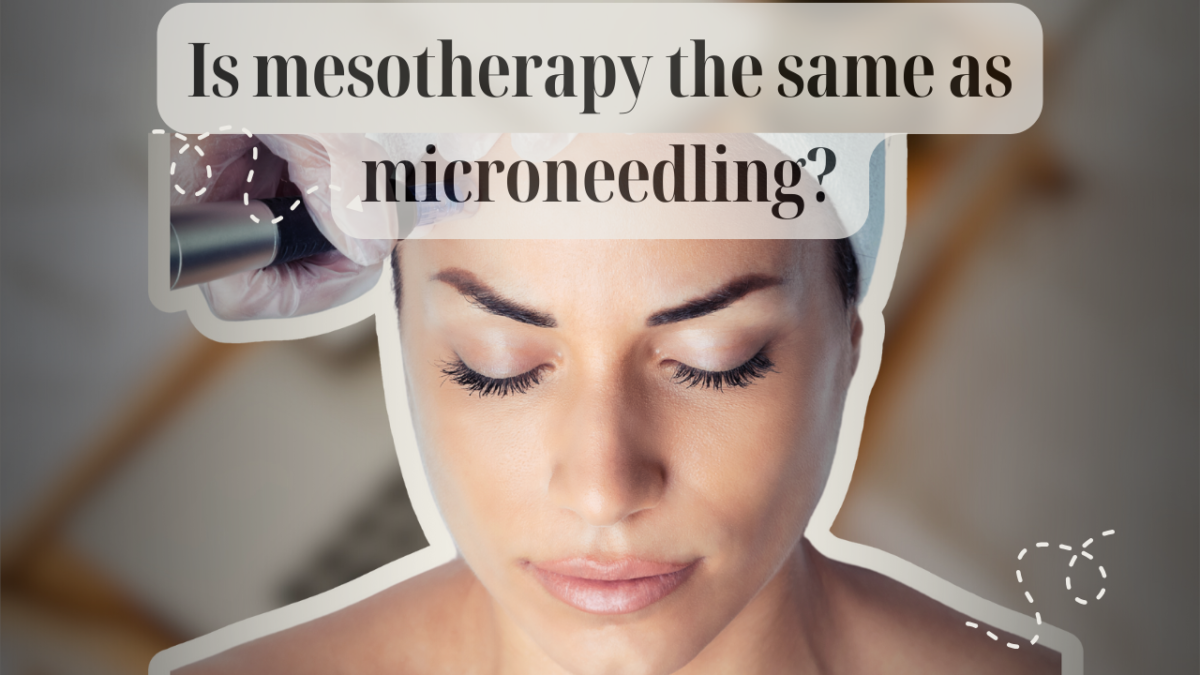
Is mesotherapy the same as microneedling?

Mesotherapy and microneedling are both advanced cosmetic treatments designed to enhance skin rejuvenation. While they share similarities in utilizing needling techniques, their methods and purposes vary significantly.

Understanding the distinctions between mesotherapy and microneedling is crucial for selecting the most effective treatment for your specific skin concerns. This article will provide:

  • An overview of mesotherapy and microneedling.
  • Insight into the benefits and applications of each treatment.
  • A comparative analysis to help you make an informed decision.

By the end of this article, you will have a clearer understanding of which procedure may best suit your skin rejuvenation needs.

Understanding Mesotherapy

Mesotherapy is a technique that originated in France in the 1950s. It involves injecting a mixture of active ingredients directly into the skin. The term mesotherapy comes from meso, which means middle, as the treatment targets the mesoderm or middle layer of the skin.

Common Ingredients and Their Benefits

Mesotherapy uses a variety of ingredients tailored to specific skin concerns:

  • Vitamins: Essential for skin health, vitamins like A, C, and E help to repair and protect skin cells.
  • Hyaluronic Acid: Known for its hydrating properties, it aids in retaining moisture and plumps the skin.
  • Growth Factors: Stimulate collagen production and cellular regeneration, contributing to overall skin rejuvenation.

Primary Purposes

The primary purposes of mesotherapy include:

By understanding mesotherapy’s definition, history, and the key ingredients used, one can better appreciate the treatment benefits it offers.

Exploring Microneedling

Microneedling is a non-invasive cosmetic procedure that has gained significant popularity since the 1990s. The technique involves using a device equipped with multiple ultrafine needles to create controlled micro-injuries in the skin, a process also known as dermal wounding. These micro-injuries stimulate the body’s natural healing response, leading to increased collagen and elastin production.

How Microneedling Works

  1. Device Mechanics: The microneedling device consists of a roller or pen-like tool with numerous tiny needles.
  2. Controlled Micro-Injuries: As the device moves across the skin, the needles puncture the dermis layer, creating micro-holes.
  3. Healing Response: These controlled injuries trigger the body’s wound-healing processes, which include collagen and elastin synthesis.

Benefits of Microneedling

Beyond its primary role in improving skin texture, microneedling offers multiple skin benefits:

Microneedling stands out for its versatility and effectiveness in addressing different skin concerns through a minimally invasive approach.

Comparative Analysis: Mesotherapy vs. Microneedling

Techniques Comparison

Mesotherapy uses a technique where superfine needles are used to inject a mixture of vitamins, hyaluronic acid, and growth factors directly into the skin. This method targets specific issues by delivering active ingredients into the lower layers of the skin.

Microneedling, on the other hand, uses a device equipped with multiple ultrafine needles to create controlled micro-injuries in the dermis. These micro-injuries stimulate the skin’s natural healing process, encouraging collagen and elastin production.

Depth of Penetration

Comfort Levels

  • Mesotherapy: Generally considered more comfortable since it typically does not require topical anesthetics. The superfine needles used in mesotherapy cause minimal discomfort.
  • Microneedling: Often requires topical anesthetics due to its invasive nature and the depth at which needles penetrate. Some level of discomfort is common during the procedure.

Understanding these key differences helps in choosing the right treatment based on individual needs and comfort levels.

Effectiveness for Specific Skin Concerns

Mesotherapy: Target Conditions

Mesotherapy is particularly effective for:

  • Pigmentation Issues: The injection of vitamins and growth factors can lighten hyperpigmented areas.
  • Dehydration: Hyaluronic acid infusions provide deep hydration, enhancing skin’s moisture levels.
  • Collagen Rejuvenation: Promotes the production of collagen, addressing skin laxity and improving overall skin tone.

Microneedling: Best-Suited Skin Concerns

Microneedling excels in treating:

Comparative Effectiveness

When comparing the two techniques in terms of anti-aging benefits:

  • Fine Lines and Wrinkles: Microneedling is generally more effective due to its deeper penetration into the dermis.
  • Overall Skin Health: Mesotherapy tends to provide better results owing to its targeted delivery of nutrients and hydrating agents.

Both treatments offer unique advantages for specific skin concerns, making them highly effective in their respective domains.

The Power of Combining Mesotherapy and Microneedling

Benefits and Considerations When Opting for Combination Therapy Treatment Sessions

Combining mesotherapy and microneedling in treatment sessions can result in enhanced results due to the synergistic effects of both techniques. This approach leverages the unique benefits of each method, providing comprehensive skin rejuvenation.

Advantages of Combination Treatments:

Considerations:

  • Treatment Frequency: Sessions may need to be spaced out appropriately to allow the skin sufficient time to heal.
  • Cost Implications: Combination therapy may involve higher costs due to the use of multiple treatment modalities.
  • Skin Type Compatibility: Consulting with a dermatologist is essential to determine if this combination is suitable for your specific skin type and concerns.

Making an Informed Decision: Which Treatment Is Right For You?

When deciding between mesotherapy and microneedling, consider the following factors:

  1. Personal Goals: Identify whether your primary concern is skin rejuvenation or targeting specific issues like pigmentation and scars.
  2. Budget Constraints: Evaluate the cost of each procedure as mesotherapy might be more budget-friendly depending on the treatment area.
  3. Comfort Level: Mesotherapy is generally more comfortable compared to microneedling which may require topical anesthetics.
  4. Desired Results: If reducing fine lines and wrinkles is a priority, microneedling may offer more noticeable results. For overall skin health improvement, mesotherapy could be a better option.

Your final thoughts on mesotherapy vs microneedling should align with these considerations to make the best choice for your skin’s needs.

My Skin Didn’t Peel After Microneedling

My Skin Didn’t Peel After Microneedling: Unveiling the Myths and Facts

Many believe that the success of microneedling is marked by the peeling of their skin, likening it to the peeling process observed after chemical peels. However, this is not always the case. The healing process and the skin’s reaction to microneedling can vary, with some experiencing minimal to no peeling at all. This variation does not necessarily indicate an ineffective treatment.

Understanding the myths and facts about the peeling process, especially in comparison to peeling after a peel, is crucial. It’s important to recognize that each individual’s skin response to microneedling can differ based on several factors, including skin type and the intensity of the treatment.

Understanding the Microneedling Process and Its Outcomes

Microneedling works by creating tiny punctures on the skin, which in turn stimulates collagen production. This process is designed to rejuvenate the skin, making it firmer, smoother, and more toned. The key outcome of microneedling is the enhancement of skin texture through the natural healing process, rather than peeling, which is a common misconception.

The Science Behind Microneedling: How It Works

The effectiveness of microneedling lies in its ability to kickstart collagen production. As the skin heals from the micro-injuries caused by the needles, new collagen forms, contributing to the skin’s elasticity and strength. This process is a natural response to injury, making microneedling a powerful tool for skin rejuvenation.

Expected Skin Reactions Post-Microneedling: Peeling vs. No-Peeling

While chemical peels often result in noticeable peeling, microneedling may not always lead to the same outcome. The skin’s reaction to microneedling can range from slight redness to minimal peeling, but significant peeling is not a guaranteed response. Typically, any visible skin changes, including peeling, will resolve within 4-6 weeks, revealing improved skin texture.

Common Concerns and Misconceptions

One common misconception is that the effectiveness of microneedling can be judged by the immediate texture of the skin and the presence of pinpoint bleeding. However, these are not accurate indicators of the treatment’s success. The true benefits of microneedling, such as enhanced skin texture, become apparent over time as the skin heals.

Is It Normal for My Skin Not to Peel After Microneedling?

Yes, it is normal for some individuals not to experience peeling after microneedling. The healing process and peeling process vary greatly among individuals, and not peeling after a peel does not mean the treatment was ineffective. The absence of peeling simply reflects how individual skin types respond differently to the procedure.

Factors Influencing Peeling After Microneedling

Several factors can influence whether or not a person’s skin will peel after microneedling. These include the depth of the needle penetration, the individual’s skin type, and the post-treatment care regimen. It’s crucial to follow the aftercare instructions provided by the specialist to ensure optimal healing and results.

Peeling After Microneedling vs. Chemical Peel: A Comparative Insight

The healing process following microneedling and chemical peels can vary from person to person. While chemical peels often lead to visible peeling as they remove the outer layer of the skin, or the stratum corneum, microneedling encourages your skin’s natural healing process without necessarily causing significant peeling. Understanding this difference helps set realistic expectations about post-treatment outcomes.

Why Microneedling May Not Lead to Peeling Like Chemical Peels Do

The reason microneedling may not lead to peeling like chemical peels is due to its nature of stimulating the healing process rather than removing the top layer of skin. The outcomes of microneedling, including skin rejuvenation and collagen production, vary from person to person, with some experiencing minor peeling and others seeing no peeling at all.

Post-Microneedling Care and Recovery

After microneedling, the healing process is crucial for achieving the desired results. Proper aftercare, including keeping the skin hydrated, avoiding direct sunlight, and using recommended skincare products, can significantly impact the recovery and effectiveness of the treatment.

Essential Aftercare Tips to Optimize Your Microneedling Results

Optimizing microneedling results involves a dedicated aftercare regimen. This includes applying gentle, hydrating products, avoiding harsh chemicals, and protecting the skin from UV rays with a high SPF sunscreen. Such measures not only support the healing process but also enhance the overall outcomes of the treatment.

Signs of Healing: What to Expect in the Days Following Microneedling

In the days following microneedling, it’s common to experience redness, slight swelling, and a feeling of tightness in the skin. These signs are typical and indicate that the healing process is underway. Gradually, these symptoms will subside, revealing clearer, more youthful-looking skin.

When to Seek Professional Advice

If unusual symptoms arise during the healing process, it’s essential to seek professional advice. Signs that warrant a consultation include persistent redness, severe swelling, or signs of infection. A professional can provide healing and soothing recommendations to address these concerns effectively.

Red Flags: When Lack of Peeling Might Indicate a Concern

While the lack of peeling is generally not a cause for concern, it’s important to monitor other aspects of the healing process. If there are no signs of improvement in skin texture or if there are indications of an allergic reaction, it may be necessary to consult with a specialist to ensure the treatment aligns with your skin’s needs.

Consulting with a Specialist: Tailoring Your Skincare Regimen Post-Procedure

Following microneedling, consulting with a skincare specialist can help tailor a post-procedure regimen that aligns with your skin’s unique needs. This personalized approach ensures that the skin receives the appropriate care and products to support healing, enhance results, and maintain skin health in the long term.

Enhancing Your Microneedling Experience

To truly enhance the microneedling experience and achieve more pronounced results, combining it with other treatments can be highly beneficial. By addressing various skin concerns such as lines and wrinkles, uneven skin tone, and texture, and enlarged pores, the combination of treatments can lead to a more comprehensive improvement. For instance, integrating a regimen that includes exfoliating treatments to remove the layer of dead skin cells can further boost collagen and elastin production, making the skin appear more youthful and radiant. Additionally, incorporating specific treatments aimed at targeting skin imperfections can create a more tailored approach to achieving overall skin health and beauty.

Maximizing Benefits: Combining Microneedling with Other Treatments

Combining microneedling with complementary treatments can significantly amplify the benefits, especially when targeting specific skin imperfections. By integrating procedures that focus on boosting collagen and elastin, the structural proteins responsible for skin’s firmness and elasticity, individuals can see a reduction in lines and wrinkles, improved skin tone, and texture. For example, adding chemical peels can help in removing the superficial layer of dead skin cells, thus enhancing the efficacy of microneedling. Furthermore, utilizing a gentle cleanser and topical numbing cream before the procedure can prepare the face for microneedling, ensuring a smoother process and optimizing outcomes.

Skin After Microneedling: Maintaining Long-Term Results

Maintaining the glowing results post-microneedling involves a dedicated skincare regimen tailored to enhance and prolong the benefits. It’s crucial to follow a daily routine that supports skin rejuvenation, such as using a gentle cleanser to keep the skin clean without irritating the newly treated areas. Additionally, applying products that boost collagen and elastin can help in sustaining the improvements in skin tone and texture. To protect the investment made in one’s skin, it’s also essential to minimize sun exposure and use a broad-spectrum sunscreen to prevent damage and maintain the long-term results of microneedling.

Navigating Your Next Steps: Understanding Treatment Expectations

Understanding what microneedling can realistically achieve is crucial in setting appropriate expectations for the treatment. While microneedling is effective in improving the appearance of lines and wrinkles, enhancing skin tone, texture, and minimizing enlarged pores, it’s important to recognize that results can vary based on individual skin conditions. The treatment works by boosting collagen and elastin production, which aids in the natural healing process, but it’s not a one-size-fits-all solution for all skin imperfections. Knowing these limitations helps in setting realistic goals and being more satisfied with the treatment outcomes.

Setting Realistic Goals: What Microneedling Can and Cannot Do for Your Skin

Setting realistic expectations for microneedling is crucial for patient satisfaction. While the procedure is effective in reducing the visibility of lines and wrinkles to the naked eye, it’s important to understand that it may not completely eliminate them. Microneedling induces a mechanical injury to the skin, promoting regeneration and healing, but it may not be suitable for active acne or deeply wounded skin. Using a cold compress post-procedure can help soothe the skin. Understanding these aspects helps in aligning expectations with what microneedling can realistically achieve, ensuring a positive experience with the treatment.

Beyond the Surface: The Psychological Impact of Aesthetic Treatments

The psychological benefits of aesthetic treatments like microneedling extend beyond surface-level improvements. Experiencing positive changes in skin appearance can significantly boost self-esteem and confidence. Unlike traditional spa treatments, which might focus on temporary relaxation, treatments like microneedling offer tangible, long-lasting improvements to common concerns such as acne scars and darker skin tones. The process can be a transformative journey, not just for the skin but for an individual’s self-perception and overall well-being, highlighting the profound impact aesthetic treatments can have on mental health.

A Closer Look at Your Skin’s Journey Post-Microneedling

After undergoing microneedling, it’s fascinating to observe the skin’s healing process and how it feels during the journey to rejuvenation. Initially, the skin might appear red or feel slightly irritated, akin to a mild sunburn, but this is a normal part of the healing phase. As the days pass, these sensations diminish, and the skin begins to feel more revitalized and appears more radiant. This transition showcases the natural resilience of the skin and its capability to heal and improve in texture and tone, emphasizing the effectiveness of microneedling in stimulating the skin’s natural regenerative processes.

Peeling vs. Not Peeling: Each Skin’s Unique Response to Microneedling

After microneedling, individuals might notice varying reactions, particularly regarding peeling skin. While some may experience peeling, indicating the shedding of the superficial layer of dead skin cells, others may not, due to the minimally invasive nature of the procedure. Microneedling creates controlled micro-injuries to stimulate skin rejuvenation without the extensive peeling often associated with chemical peels. The absence of peeling does not diminish the procedure’s effectiveness in enhancing the appearance of wrinkles or acne scars. It’s essential to avoid sun exposure and refrain from using products that could clog pores or cause irritation in the first 24 hours after microneedling to ensure optimal healing and results.

The Road to Recovery: Timeframes and Healing Phases

The recovery process post-microneedling varies among individuals, but understanding the general timeframes and healing phases can help manage expectations. Initially, it’s common to experience redness or sensitivity, but these symptoms typically subside within a few days. Visiting medical spas can provide access to aftercare products like soothing moisturizer, which aids in the healing process. Patients are usually advised to wait a few days before attempting to wear makeup to avoid irritating the deeper layers of the skin. Incorporating gentle, non-abrasive products containing hydroxy acids can further support the skin’s recovery, ensuring a smoother and more refined texture as the healing progresses.

Can Estheticians Do Microneedling?

Whether estheticians can perform microneedling procedures largely depends on the regulations set by the state in which they are practicing. Microneedling, a method aimed at addressing various skin concerns, requires specific training and certification. These regulations are in place to ensure the safety and efficacy of the treatments provided to clients.

In some states, estheticians are legally allowed to perform microneedling, provided they have undergone the necessary training and obtained certification. However, the depth of needle penetration allowed might be restricted. Therefore, it’s crucial for estheticians to familiarize themselves with their state’s specific laws and regulations to legally and safely provide microneedling procedures to their clients.

Can Estheticians Do Microneedling?

Understanding Microneedling and Its Significance

Microneedling is a skincare treatment designed to target a variety of skin concerns, including stretch marks, sun damage, and issues affecting makeup application. Performed in a spa setting, this procedure involves creating tiny punctures in the skin’s surface, which can stimulate collagen production and improve skin texture. The versatility and effectiveness of microneedling make it a sought-after treatment among those looking to enhance their skin’s appearance.

The Comparative Advantage: Why Choose Microneedling?

Choosing microneedling procedures offers a comparative advantage over other skincare treatments due to its minimally invasive nature and ability to address a wide range of skin concerns effectively. By promoting collagen and elastin production, microneedling can significantly improve the skin’s texture and appearance, making it a preferred option for those seeking visible, lasting results.

The Role of Estheticians in Microneedling Procedures

Estheticians play a crucial role in performing microneedling procedures, offering clients a non-invasive solution to enhance their skin’s health and appearance. With the right training and certification, estheticians can successfully implement this treatment, providing significant benefits to those with various skin concerns.

Can Estheticians Do Microneedling?

Legal and Regulatory Considerations for Estheticians

Estheticians must navigate various legal and regulatory considerations before adding microneedling to their service offerings. Understanding these requirements is crucial to ensure compliance and protect both the practitioner and client.

Scope of Practice and State Regulations

State regulations define the scope of practice for estheticians, including which procedures they are allowed to perform. Estheticians are allowed to conduct microneedling in some states, given they meet specific training and certification criteria. These regulations aim to maintain high standards of practice and client safety.

However, the scope of practice varies significantly from one state to another, with some states imposing stricter rules on microneedling procedures. Estheticians must therefore stay informed about their state’s current laws and adhere to any updates or changes to remain compliant and uphold professional integrity.

Can Estheticians Do Microneedling by State in the United Stateseading

In the United States, microneedling regulations can vary widely by state, affecting how estheticians can perform these treatments. Some states have specific guidelines on the depth of needle penetration and the types of devices that can be used, while others may restrict the practice to medical professionals only.

For example, certain states allow estheticians to perform microneedling only under the supervision of a healthcare provider, while others may permit independent practice if the esthetician has completed the requisite training and certification. This patchwork of regulations necessitates a thorough understanding of the legal landscape in which an esthetician operates.

Additionally, some states classify microneedling as a medical procedure if it penetrates beyond a specific depth, thereby requiring a medical license to perform. Estheticians in these states must collaborate with medical professionals to offer microneedling treatments, ensuring they do not overstep their legal scope of practice.

Microneedling Regulations by State in the United States

Microneedling, a minimally invasive cosmetic procedure that involves using fine needles to create micro-injuries in the skin, is subject to regulations that vary from state to state.

It’s important to note that regulations may change over time, and it’s advisable to check with your state’s licensing board or relevant authorities for the most up-to-date information and requirements.

Here’s an overview of microneedling regulations across different states:

  1. California: Microneedling is considered a form of tattooing and can only be performed by licensed professionals, such as medical doctors, nurses, or aestheticians with proper training and certification.
  2. Texas: Microneedling is regulated as a form of dermabrasion and can be performed by licensed professionals, including physicians, physician assistants, nurse practitioners, and aestheticians with specialized training.
  3. Florida: Microneedling is considered a medical procedure and can only be performed by licensed healthcare professionals, such as medical doctors, osteopathic physicians, advanced practice registered nurses, and physician assistants.
  4. New York: Microneedling is considered a form of tattooing and can only be performed by licensed professionals, such as medical doctors, physician assistants, and aestheticians with proper training and certification.
  5. Illinois: Microneedling is considered a form of dermabrasion and can be performed by licensed professionals, including medical doctors, physician assistants, and aestheticians with specialized training.
  6. Colorado: Microneedling is considered a form of dermabrasion and can be performed by licensed professionals, such as medical doctors, nurses, and aestheticians with proper training and certification.
  7. Georgia: Microneedling is considered a form of dermabrasion and can be performed by licensed professionals, including medical doctors, nurses, and aestheticians with specialized training.
  8. Massachusetts: Microneedling is considered a form of dermabrasion and can only be performed by licensed medical professionals, such as physicians, nurse practitioners, and physician assistants.
  9. Nevada: Microneedling is regulated as a form of invasive skin procedure and can be performed by licensed medical professionals, including physicians, physician assistants, advanced practice registered nurses, and estheticians/cosmetologists with specialized training.
  10. Arizona: Microneedling is classified as a medical procedure and can only be performed by licensed healthcare professionals, such as physicians, nurse practitioners, and physician assistants.
  11. Washington: Microneedling is considered a form of dermabrasion and can be performed by licensed professionals, including physicians, physician assistants, advanced registered nurse practitioners, and master estheticians with proper training.
  12. Oregon: Microneedling is regulated as a form of invasive procedure and can only be performed by licensed medical professionals, such as physicians, nurse practitioners, and physician assistants.
  13. Ohio: Microneedling is considered a form of dermabrasion and can be performed by licensed professionals, including physicians, physician assistants, and estheticians with specialized training.
  14. Michigan: Microneedling is classified as a medical procedure and can only be performed by licensed healthcare professionals, such as physicians, nurse practitioners, and physician assistants.
  15. North Carolina: Microneedling is regulated as a form of dermabrasion and can be performed by licensed professionals, including physicians, physician assistants, and estheticians with proper training and certification.
  16. Alabama: Microneedling is considered a medical procedure and can only be performed by licensed medical professionals such as physicians, nurse practitioners, and physician assistants.
  17. Alaska: Microneedling regulations are not clearly defined, but it is generally recommended to be performed by licensed healthcare professionals.
  18. Arkansas: Microneedling is regulated as a form of dermabrasion and can be performed by licensed professionals, including physicians, nurse practitioners, and estheticians with specialized training.
  19. Connecticut: Microneedling is considered a form of tattooing and can only be performed by licensed professionals, such as physicians, physician assistants, and estheticians with proper certification.
  20. Delaware: Microneedling is classified as a medical procedure and can only be performed by licensed healthcare professionals, such as physicians, nurse practitioners, and physician assistants.
Microneedling Classes
  1. District of Columbia: Microneedling is regulated as a form of invasive skin procedure and can be performed by licensed medical professionals, including physicians, nurse practitioners, and estheticians with specialized training.
    22.Hawaii: Microneedling regulations are not clearly defined, but it is generally recommended to be performed by licensed healthcare professionals.
  2. Idaho: Microneedling is considered a form of dermabrasion and can be performed by licensed professionals, including physicians, nurse practitioners, and estheticians with proper training.
  3. Indiana: Microneedling is regulated as a form of invasive skin procedure and can be performed by licensed medical professionals, such as physicians, nurse practitioners, and estheticians with specialized training.
  4. Iowa: Microneedling is classified as a medical procedure and can only be performed by licensed healthcare professionals, such as physicians, nurse practitioners, and physician assistants.
  5. Kansas: Microneedling is considered a form of dermabrasion and can be performed by licensed professionals, including physicians, nurse practitioners, and estheticians with specialized training.
  6. Kentucky: Microneedling is regulated as a form of invasive skin procedure and can be performed by licensed medical professionals, such as physicians, nurse practitioners, and estheticians with proper certification.
  7. Louisiana: Microneedling is classified as a medical procedure and can only be performed by licensed healthcare professionals, such as physicians, nurse practitioners, and physician assistants.
  8. Maine: Microneedling regulations are not clearly defined, but it is generally recommended to be performed by licensed healthcare professionals.
  9. Maryland: Microneedling is considered a form of tattooing and can only be performed by licensed professionals, such as physicians, nurse practitioners, and estheticians with proper certification.
  10. Minnesota: Microneedling is regulated as a form of dermabrasion and can be performed by licensed professionals, including physicians, nurse practitioners, and estheticians with specialized training.
  11. Mississippi: Microneedling is classified as a medical procedure and can only be performed by licensed healthcare professionals, such as physicians, nurse practitioners, and physician assistants.
  12. Missouri: Microneedling is considered a form of tattooing and can only be performed by licensed professionals, such as physicians, nurse practitioners, and estheticians with proper certification.34.
  13. Montana: Microneedling regulations are not clearly defined, but it is generally recommended to be performed by licensed healthcare professionals.
  14. Nebraska: Microneedling is regulated as a form of invasive skin procedure and can be performed by licensed medical professionals, such as physicians, nurse practitioners, and estheticians with specialized training.
  15. New Hampshire: Microneedling is considered a medical procedure and can only be performed by licensed healthcare professionals such as physicians, nurse practitioners, and physician assistants.
  16. New Jersey: Microneedling is regulated as a form of dermabrasion and can be performed by licensed professionals including physicians, nurse practitioners, physician assistants, and estheticians with specialized training.
  17. New Mexico: Microneedling is classified as a medical procedure and can only be performed by licensed healthcare professionals such as physicians, nurse practitioners, and physician assistants.
  18. North Dakota: Microneedling regulations are not clearly defined, but it is generally recommended to be performed by licensed healthcare professionals.
  19. Oklahoma: Microneedling is considered a form of tattooing and can only be performed by licensed professionals such as physicians, nurse practitioners, and estheticians with proper certification.
  20. Pennsylvania: Microneedling is regulated as a form of invasive skin procedure and can be performed by licensed medical professionals including physicians, nurse practitioners, and estheticians with specialized training.
  21. Rhode Island: Microneedling is classified as a medical procedure and can only be performed by licensed healthcare professionals such as physicians, nurse practitioners, and physician assistants.
  22. South Carolina: Microneedling is considered a form of dermabrasion and can be performed by licensed professionals including physicians, nurse practitioners, physician assistants, and estheticians with proper training.
  23. South Dakota: Microneedling regulations are not clearly defined, but it is generally recommended to be performed by licensed healthcare professionals.
  24. Tennessee: Microneedling is regulated as a form of invasive skin procedure and can be performed by licensed medical professionals such as physicians, nurse practitioners, and estheticians with specialized training.
  25. Utah: Microneedling is classified as a medical procedure and can only be performed by licensed healthcare professionals such as physicians, nurse practitioners, and physician assistants.
  26. Vermont: Microneedling is considered a form of tattooing and can only be performed by licensed professionals such as physicians, nurse practitioners, and estheticians with proper certification.
  27. Virginia: Microneedling is regulated as a form of dermabrasion and can be performed by licensed professionals including physicians, nurse practitioners, physician assistants, and estheticians with specialized training.
  28. West Virginia: Microneedling is classified as a medical procedure and can only be performed by licensed healthcare professionals such as physicians, nurse practitioners, and physician assistants.
  29. Wyoming: Microneedling regulations are not clearly defined, but it is generally recommended to be performed by licensed healthcare professionals.

Keeping abreast of these regulations is essential for estheticians to practice microneedling legally and ethically. It’s advisable for practitioners to consult with legal advisors or professional boards regularly to navigate the complex regulatory environment successfully.

Final Thoughts: Elevating Your Esthetic Practice with Microneedling

Incorporating microneedling into an esthetic practice offers a significant opportunity for licensed estheticians to expand their scope of practice with a minimally invasive treatment that responds to a wide range of skin concerns. These treatments, which can vary widely in approach depending on the specific needs of each client, are known for their effectiveness in improving the appearance of facial acne scars, facial wrinkles, and even abdominal scars, bridging the gap between traditional esthetic services and medical treatments. As microneedling continues to gain popularity in both medical spas and esthetic practices, staying informed about the latest techniques and regulatory compliance ensures not only the safety and satisfaction of clients but also the growth and differentiation of the esthetic practice in a competitive market.

en_USEnglish