
google.com, pub-2032008856654686, DIRECT, f08c47fec0942fa0

Is Microneedling Good For Your Face?

Discover whether microneedling is a good option for improving your skin. Explore the benefits, risks, and effectiveness of this facial rejuvenation treatment.

Is Microneedling Good For Your Face?

Is microneedling a good option for improving the appearance of your skin? In this article, I will discuss the benefits, risks, and overall effectiveness of microneedling for facial rejuvenation. Let’s explore the world of microneedling and how it may benefit your skin.

What is Microneedling?
Microneedling, also known as collagen induction therapy, is a cosmetic procedure that involves using a device with fine needles to create controlled micro-injuries to the skin. These micro-injuries stimulate the body’s natural wound healing process, leading to increased collagen and elastin production. This results in smoother, firmer, and more youthful-looking skin.

How Does Microneedling Work?
During a microneedling procedure, a dermatologist or aesthetician will use a handheld device with tiny needles to create micro-channels in the skin. These micro-channels trigger the skin’s natural healing process, stimulating the production of collagen and elastin. Collagen is a protein that helps maintain the skin’s structure and firmness, while elastin is a protein that helps the skin to bounce back after being stretched.

What are the Benefits of Microneedling?
Microneedling offers a variety of benefits for the skin, including:

Improved skin texture and tone
Reduction in the appearance of fine lines and wrinkles
Increased collagen and elastin production
Reduction in the appearance of acne scars
Minimized pore size
Enhanced absorption of skincare products

By promoting collagen and elastin production, microneedling can help to rejuvenate the skin and improve its overall appearance.

Is Microneedling Safe?
One of the most common concerns surrounding microneedling is its safety. While microneedling is generally considered safe for most people, there are certain risks and side effects to be aware of.

Risks and Side Effects
Some of the potential risks and side effects of microneedling include:

Redness and swelling: It is normal to experience redness and swelling after a microneedling procedure, but these side effects typically subside within a few days.
Skin irritation: Some people may experience skin irritation following microneedling, which can manifest as itching or dryness.
Infection: There is a risk of infection with microneedling if proper sanitation and aftercare instructions are not followed.
Hyperpigmentation: Individuals with darker skin tones may be at risk of developing hyperpigmentation following microneedling.
Scarring: While rare, there is a risk of scarring with microneedling, especially if the procedure is performed incorrectly or on compromised skin.

Precautions
To minimize the risk of complications, it is important to follow the aftercare instructions provided by your skincare professional. It is also crucial to choose a reputable and experienced provider for your microneedling treatment to ensure safety and optimal results.

What to Expect During a Microneedling Procedure
Before undergoing a microneedling procedure, it is important to understand what to expect during the treatment process.

Consultation
During the initial consultation, your skincare professional will assess your skin concerns, discuss your goals, and determine if microneedling is the right treatment for you. They will also explain the procedure in detail and answer any questions you may have.

Preparation
Before the procedure, your skin will be cleansed and a numbing cream may be applied to minimize discomfort during the treatment. Once your skin is prepped, the microneedling device will be passed over the treatment area in a series of passes.

Treatment Duration
The duration of a microneedling treatment can vary depending on the size of the treatment area and the specific concerns being addressed. Most microneedling sessions take between 30 minutes to an hour to complete.

Aftercare
After the procedure, your skin may appear red and slightly swollen, similar to a mild sunburn. It is important to follow the aftercare instructions provided by your skincare professional, which may include avoiding direct sun exposure, wearing sunscreen, and using gentle skincare products.

How Effective is Microneedling?
Microneedling is considered to be an effective treatment for a variety of skin concerns, including aging skin, acne scars, and uneven skin texture. The results of microneedling can vary depending on the individual’s skin type, the severity of their concerns, and the number of treatments received.

Collagen Production
One of the key benefits of microneedling is its ability to stimulate Collagen Production in the skin. Collagen is essential for maintaining skin elasticity and firmness, and by promoting collagen synthesis, microneedling can help to improve the overall texture and appearance of the skin.

Acne Scarring
Microneedling has been shown to be effective in reducing the appearance of acne scars. By creating micro-injuries in the skin, microneedling promotes collagen production, which can help to fill in depressed acne scars and improve skin texture.

Fine Lines and Wrinkles
Microneedling can also be effective in reducing the appearance of fine lines and wrinkles. By stimulating collagen and elastin production, microneedling can help to plump the skin and smooth out lines and wrinkles, resulting in a more youthful-looking complexion.

Skin Texture
In addition to its anti-aging benefits, microneedling can also help to improve overall skin texture. By encouraging cell turnover and collagen synthesis, microneedling can help to minimize pore size, reduce roughness, and create a smoother, more even complexion.

How Many Microneedling Sessions Do I Need?
The number of microneedling sessions needed to achieve optimal results can vary depending on the individual’s skin concerns and goals. In general, most people benefit from a series of three to six microneedling sessions spaced four to six weeks apart.

Maintenance
After completing a series of microneedling sessions, maintenance treatments may be recommended to help maintain the results. Your skincare professional can assess your skin and recommend a maintenance schedule that is tailored to your individual needs.

Combination Treatments
In some cases, microneedling may be combined with other cosmetic treatments to achieve enhanced results. Your skincare professional may recommend combining microneedling with treatments such as platelet-rich plasma (PRP) therapy or topical serums to further improve skin texture and appearance.

Who is a Good Candidate for Microneedling?
Microneedling is a versatile treatment that can benefit a wide range of skin types and concerns. However, there are certain factors that may make someone a better candidate for microneedling.

Skin Concerns
Microneedling is particularly effective for addressing the following skin concerns:

Fine lines and wrinkles
Acne scars
Uneven skin texture
Enlarged pores
Sun damage

If you have one or more of these concerns, microneedling may be a suitable treatment option for you.

Skin Type
Microneedling is generally safe for all skin types, including darker skin tones. However, it is important to consult with a skincare professional to determine if microneedling is right for your skin type and concerns.

Health Considerations
Certain health conditions or medications may impact your candidacy for microneedling. It is important to disclose any medical conditions, medications, or skin sensitivities to your skincare professional during the initial consultation.

Conclusion
In conclusion, microneedling can be a beneficial treatment for improving the appearance of your skin. By stimulating collagen and elastin production, microneedling can help to rejuvenate the skin, reduce the appearance of fine lines and wrinkles, and improve overall skin texture. If you are considering microneedling, it is important to consult with a reputable skincare professional to determine if this treatment is right for you. With proper care and maintenance, microneedling can help you achieve smoother, firmer, and more youthful-looking skin.

What Is Microneedling Pros And Cons?

Learn about the pros and cons of microneedling to decide if it’s right for you. Explore benefits like collagen production and skin texture improvement.

Microneedling Pros And Cons
Microneedling is a popular cosmetic procedure that involves using small needles to puncture the skin and stimulate collagen production. This can help improve skin texture, reduce the appearance of scars, and even out skin tone. However, like any procedure, microneedling has its pros and cons that are important to consider before undergoing treatment.

Pros of Microneedling
Microneedling has gained popularity in recent years due to its numerous benefits for the skin. Here are some of the pros of microneedling:

1. Stimulates Collagen Production
One of the main benefits of microneedling is its ability to stimulate collagen production in the skin. Collagen is a protein that helps keep the skin firm, tight, and youthful-looking. By creating microscopic injuries in the skin, microneedling triggers the body’s natural healing process, leading to increased collagen production and improved skin texture.

2. Reduces Scarring
Microneedling can help reduce the appearance of scars, whether they are from acne, surgery, or injury. The micro-injuries created by the needles stimulate the skin to produce new collagen and elastin, which can help smooth out scars and improve overall skin texture.

3. Improves Skin Texture
Another benefit of microneedling is that it can improve overall skin texture by reducing the appearance of fine lines, wrinkles, and enlarged pores. The treatment promotes cell turnover and collagen production, which can help create smoother, more youthful-looking skin.

4. Evens Out Skin Tone
Microneedling can also help even out skin tone by reducing hyperpigmentation and dark spots. The procedure stimulates the skin’s natural healing response, leading to a more even distribution of melanin and a brighter complexion.

Cons of Microneedling
While microneedling has many benefits, it also comes with some potential drawbacks that should be considered. Here are some of the cons of microneedling:

1. Discomfort During Treatment
During microneedling treatment, patients may experience some discomfort, as the tiny needles penetrate the skin. While a topical numbing cream is typically applied before the procedure to minimize pain, some individuals may still find the sensation uncomfortable.

2. Redness and Swelling
After microneedling treatment, it is common for the skin to be red and swollen for a few days. This is a normal part of the healing process as the skin repairs itself. However, some people may find the redness and swelling to be more pronounced than others.

3. Risk of Infection
Since microneedling involves creating tiny punctures in the skin, there is a risk of infection if proper sanitation protocols are not followed. It is essential to go to a reputable provider who uses sterile equipment and follows strict hygiene practices to minimize the risk of infection.

4. Downtime and Recovery
After microneedling treatment, some individuals may experience downtime and require time for their skin to heal. This can include redness, swelling, and peeling, which may last for a few days to a week. It is important to follow post-treatment care instructions to ensure proper healing and minimize any complications.

Comparison of Microneedling Pros and Cons
To help you better understand the benefits and drawbacks of microneedling, here is a comparison of the pros and cons:

Pros
Cons

Stimulates collagen production
Discomfort during treatment

Reduces scarring
Redness and swelling

Improves skin texture
Risk of infection

Evens out skin tone
Downtime and recovery

Overall, microneedling can be a highly effective treatment for improving skin texture, reducing scarring, and evening out skin tone. However, it is important to weigh the pros and cons before deciding if microneedling is the right choice for you. Consulting with a skincare professional can help determine if this procedure is suitable for your skin type and concerns.

In conclusion, microneedling offers many benefits for the skin, including stimulating collagen production, reducing scarring, improving skin texture, and evening out skin tone. However, it is essential to be aware of the potential drawbacks, such as discomfort during treatment, redness and swelling, risk of infection, and downtime for recovery. By considering both the pros and cons of microneedling, you can make an informed decision about whether this treatment is right for you.

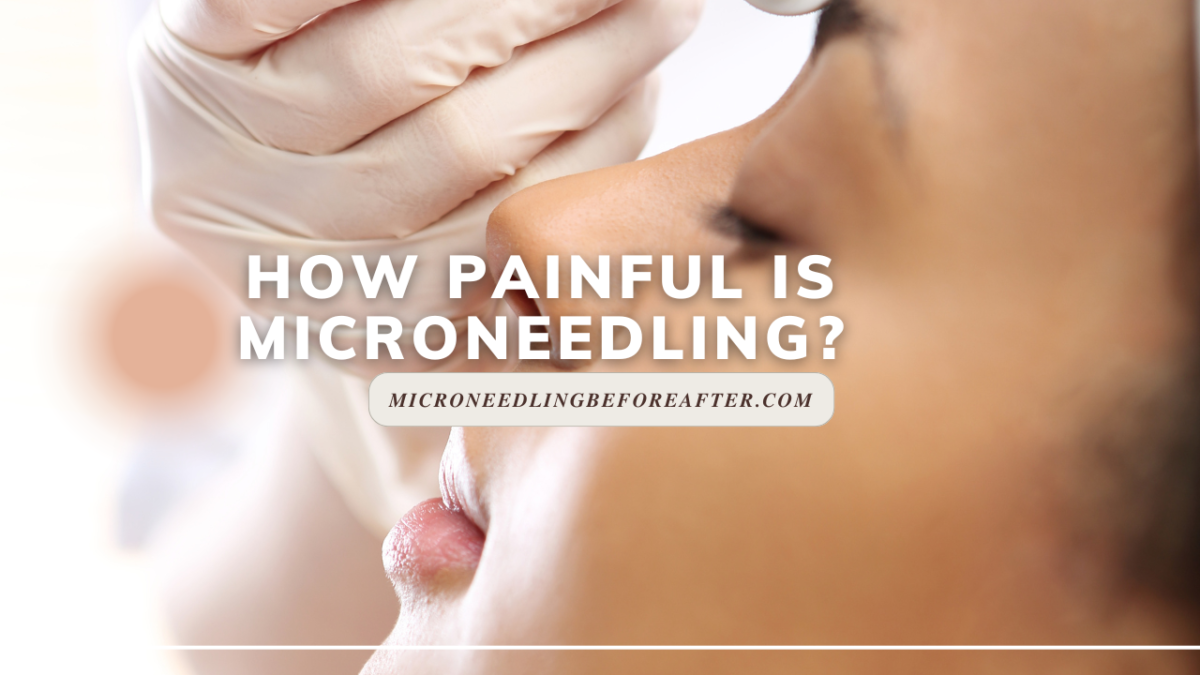
How Painful Is Microneedling?

Learn how painful microneedling is and how to manage discomfort. Understand the procedure, pain factors, and post-care tips for optimal results.

How Painful Is Microneedling?

Have you been considering microneedling but are hesitant due to concerns about the pain level involved? I will provide you with a comprehensive overview of the pain experience during microneedling procedures to help you make an informed decision.

Understanding Microneedling
Microneedling, also known as collagen induction therapy, is a minimally invasive cosmetic procedure that involves using a device with fine needles to create tiny punctures in the top layer of the skin. These micro-injuries stimulate the body’s natural wound healing process, resulting in increased collagen and elastin production, which helps improve skin texture, tone, and overall appearance.

Microneedling is commonly used to address concerns such as acne scars, fine lines and wrinkles, enlarged pores, hyperpigmentation, and uneven skin texture. The procedure can be performed on the face, neck, chest, hands, and other areas of the body.

Pain Perception During Microneedling
During microneedling, the depth of penetration of the needles into the skin can vary depending on the specific concerns being addressed and the device used. The sensation experienced during the procedure is often described as a mild to moderate stinging or pricking sensation. However, pain perception is highly subjective and can vary from person to person.

The experience of pain during microneedling can be influenced by factors such as individual pain threshold, area being treated, needle length, and the use of topical numbing creams or anesthesia. Some people may find the pain level to be tolerable, while others may experience more discomfort.

Factors Affecting Pain Level
Individual Pain Threshold
Everyone’s pain tolerance is different, so what may feel uncomfortable to one person may be manageable for another. It is important to communicate your pain tolerance and comfort level with your skincare provider before the procedure to ensure a positive experience.

Area Being Treated
Certain areas of the face and body may be more sensitive than others, leading to variations in pain perception during microneedling. For example, the skin on the forehead and around the eyes may be more delicate and prone to increased sensitivity.

Needle Length
The depth of penetration of the needles into the skin can impact the level of pain experienced during microneedling. Longer needles may result in more discomfort compared to shorter needles, as they reach deeper layers of the skin where nerve endings are more abundant.

Topical Numbing Creams
Many skincare providers offer the option of applying a topical numbing cream to the skin prior to the microneedling procedure to help minimize discomfort. Numbing creams contain ingredients such as lidocaine or benzocaine that temporarily numb the skin, making the procedure more tolerable.

Pain Management Strategies
If you are concerned about the pain level during microneedling, there are several strategies you can discuss with your skincare provider to help manage discomfort and ensure a more pleasant experience.

Topical Numbing Cream
As mentioned earlier, applying a topical numbing cream to the skin before the procedure can help reduce pain perception during microneedling. The cream is typically applied 30-60 minutes before the treatment begins to allow sufficient time for the numbing effect to take place.

Cooling Devices
Some skincare providers use cooling devices or ice packs to help numb the skin and reduce pain sensation during microneedling. Cold temperatures can help constrict blood vessels, which may decrease sensitivity and discomfort.

Distraction Techniques
Engaging in conversation with your skincare provider or listening to music during the procedure can serve as effective distraction techniques to help take your mind off the sensations of microneedling. Focusing on something other than the pain can make the experience more bearable.

Deep Breathing Exercises
Practicing deep breathing exercises before and during the microneedling procedure can help relax your body and mind, reducing tension and discomfort. Take slow, deep breaths in through your nose and out through your mouth to promote relaxation.

Communicate with Your Provider
It is essential to communicate openly and honestly with your skincare provider about your pain tolerance, concerns, and preferences during the microneedling procedure. They can adjust the treatment parameters, use additional numbing techniques, or take breaks as needed to ensure your comfort.

Post-Procedure Care
After your microneedling treatment, it is crucial to follow the recommended post-procedure care instructions provided by your skincare provider to promote healing, reduce the risk of complications, and optimize results.

Moisturization
Use a gentle, hydrating moisturizer to soothe and hydrate the skin following microneedling. Hyaluronic acid-based serums are excellent choices, as they help retain moisture in the skin and promote healing.

Sun Protection
Protect your skin from sun exposure by applying a broad-spectrum sunscreen with an SPF of 30 or higher daily. Ultraviolet rays can cause damage to the skin post-microneedling, leading to hyperpigmentation and compromised healing.

Avoid Harsh Products
Refrain from using harsh skincare products, such as exfoliants, retinoids, and acids, for a few days after microneedling. These products can irritate the skin and disrupt the healing process, potentially leading to inflammation and complications.

Gentle Cleansing
Cleanse your skin gently with a mild, non-abrasive cleanser to remove impurities and maintain skin health post-microneedling. Avoid scrubbing or rubbing the skin vigorously to prevent irritation and damage to the treated area.

Follow-up Appointments
Schedule follow-up appointments with your skincare provider as recommended to assess your skin’s progress, address any concerns, and determine the need for additional treatments. Consistency in treatment and adherence to the post-procedure care regimen are essential for achieving optimal results.

Conclusion
In conclusion, the pain level experienced during microneedling can vary depending on individual factors, such as pain threshold, area being treated, and pain management strategies employed. By understanding the procedure, communicating with your skincare provider, and following post-procedure care guidelines, you can help minimize discomfort and achieve the desired skin improvements effectively. If you have concerns about the pain associated with microneedling, discuss them with your skincare provider to determine the best approach for your needs.

en_USEnglish