google.com, pub-2032008856654686, DIRECT, f08c47fec0942fa0

My Skin Didn’t Peel After Microneedling

My Skin Didn’t Peel After Microneedling: Unveiling the Myths and Facts

Many believe that the success of microneedling is marked by the peeling of their skin, likening it to the peeling process observed after chemical peels. However, this is not always the case. The healing process and the skin’s reaction to microneedling can vary, with some experiencing minimal to no peeling at all. This variation does not necessarily indicate an ineffective treatment.

Understanding the myths and facts about the peeling process, especially in comparison to peeling after a peel, is crucial. It’s important to recognize that each individual’s skin response to microneedling can differ based on several factors, including skin type and the intensity of the treatment.

Understanding the Microneedling Process and Its Outcomes

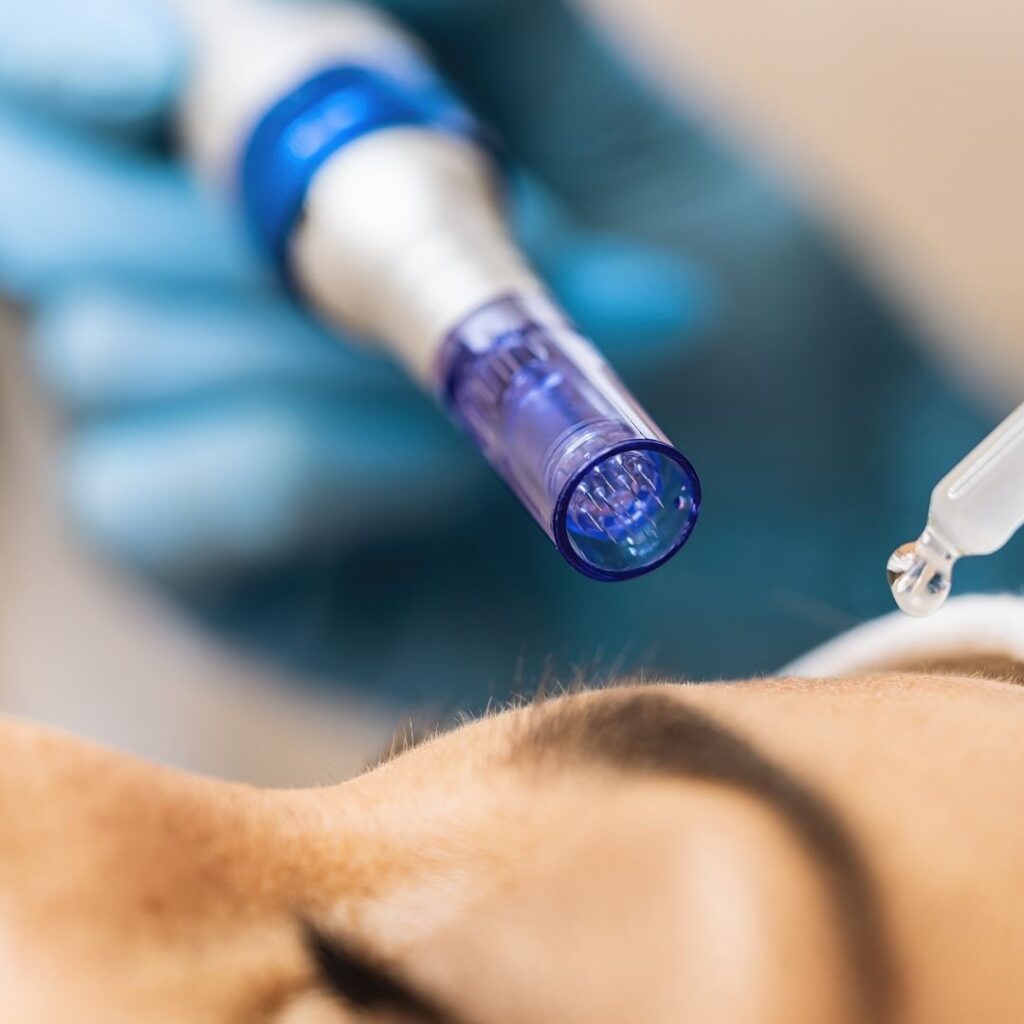
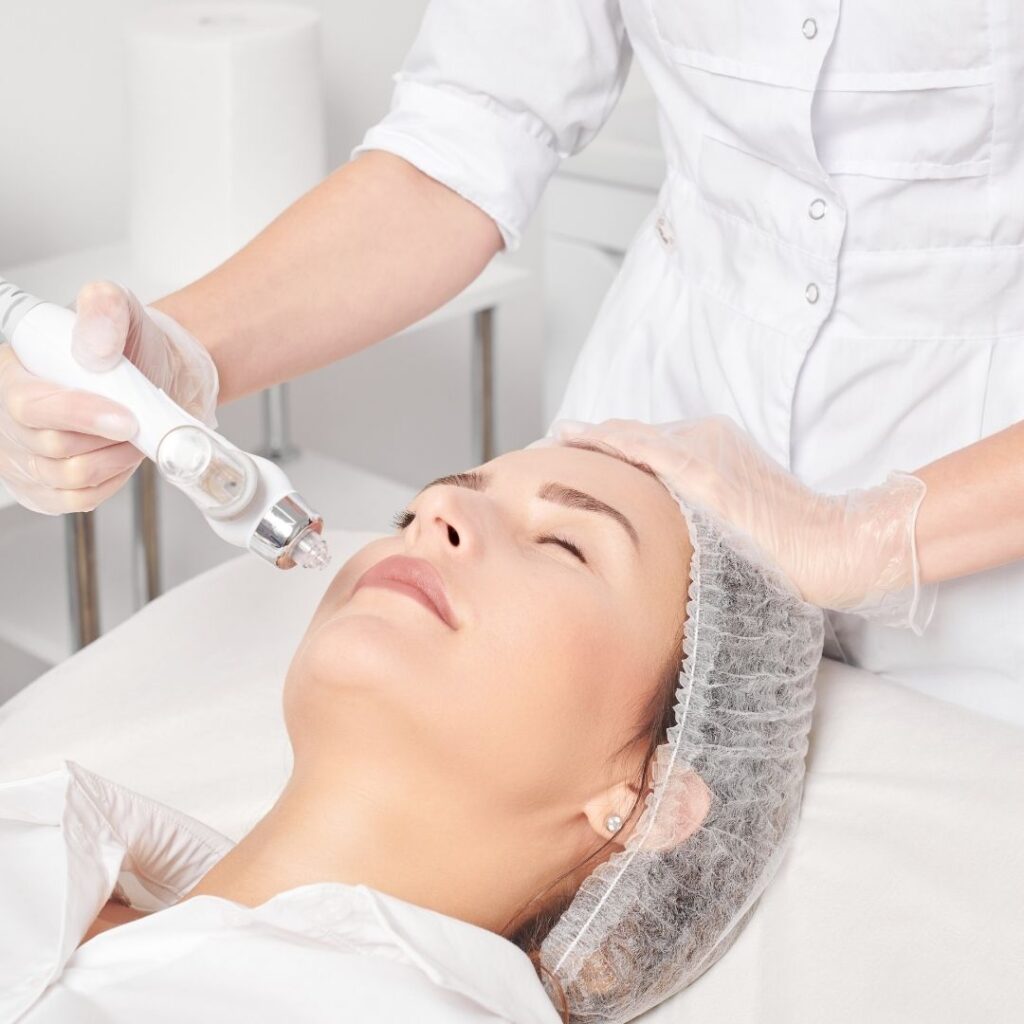
Microneedling works by creating tiny punctures on the skin, which in turn stimulates collagen production. This process is designed to rejuvenate the skin, making it firmer, smoother, and more toned. The key outcome of microneedling is the enhancement of skin texture through the natural healing process, rather than peeling, which is a common misconception.

The Science Behind Microneedling: How It Works

The effectiveness of microneedling lies in its ability to kickstart collagen production. As the skin heals from the micro-injuries caused by the needles, new collagen forms, contributing to the skin’s elasticity and strength. This process is a natural response to injury, making microneedling a powerful tool for skin rejuvenation.

Expected Skin Reactions Post-Microneedling: Peeling vs. No-Peeling

While chemical peels often result in noticeable peeling, microneedling may not always lead to the same outcome. The skin’s reaction to microneedling can range from slight redness to minimal peeling, but significant peeling is not a guaranteed response. Typically, any visible skin changes, including peeling, will resolve within 4-6 weeks, revealing improved skin texture.

Common Concerns and Misconceptions

One common misconception is that the effectiveness of microneedling can be judged by the immediate texture of the skin and the presence of pinpoint bleeding. However, these are not accurate indicators of the treatment’s success. The true benefits of microneedling, such as enhanced skin texture, become apparent over time as the skin heals.

Is It Normal for My Skin Not to Peel After Microneedling?

Yes, it is normal for some individuals not to experience peeling after microneedling. The healing process and peeling process vary greatly among individuals, and not peeling after a peel does not mean the treatment was ineffective. The absence of peeling simply reflects how individual skin types respond differently to the procedure.

Factors Influencing Peeling After Microneedling

Several factors can influence whether or not a person’s skin will peel after microneedling. These include the depth of the needle penetration, the individual’s skin type, and the post-treatment care regimen. It’s crucial to follow the aftercare instructions provided by the specialist to ensure optimal healing and results.

Peeling After Microneedling vs. Chemical Peel: A Comparative Insight

The healing process following microneedling and chemical peels can vary from person to person. While chemical peels often lead to visible peeling as they remove the outer layer of the skin, or the stratum corneum, microneedling encourages your skin’s natural healing process without necessarily causing significant peeling. Understanding this difference helps set realistic expectations about post-treatment outcomes.

Why Microneedling May Not Lead to Peeling Like Chemical Peels Do

The reason microneedling may not lead to peeling like chemical peels is due to its nature of stimulating the healing process rather than removing the top layer of skin. The outcomes of microneedling, including skin rejuvenation and collagen production, vary from person to person, with some experiencing minor peeling and others seeing no peeling at all.

Post-Microneedling Care and Recovery

After microneedling, the healing process is crucial for achieving the desired results. Proper aftercare, including keeping the skin hydrated, avoiding direct sunlight, and using recommended skincare products, can significantly impact the recovery and effectiveness of the treatment.

Essential Aftercare Tips to Optimize Your Microneedling Results

Optimizing microneedling results involves a dedicated aftercare regimen. This includes applying gentle, hydrating products, avoiding harsh chemicals, and protecting the skin from UV rays with a high SPF sunscreen. Such measures not only support the healing process but also enhance the overall outcomes of the treatment.

Signs of Healing: What to Expect in the Days Following Microneedling

In the days following microneedling, it’s common to experience redness, slight swelling, and a feeling of tightness in the skin. These signs are typical and indicate that the healing process is underway. Gradually, these symptoms will subside, revealing clearer, more youthful-looking skin.

When to Seek Professional Advice

If unusual symptoms arise during the healing process, it’s essential to seek professional advice. Signs that warrant a consultation include persistent redness, severe swelling, or signs of infection. A professional can provide healing and soothing recommendations to address these concerns effectively.

Red Flags: When Lack of Peeling Might Indicate a Concern

While the lack of peeling is generally not a cause for concern, it’s important to monitor other aspects of the healing process. If there are no signs of improvement in skin texture or if there are indications of an allergic reaction, it may be necessary to consult with a specialist to ensure the treatment aligns with your skin’s needs.

Consulting with a Specialist: Tailoring Your Skincare Regimen Post-Procedure

Following microneedling, consulting with a skincare specialist can help tailor a post-procedure regimen that aligns with your skin’s unique needs. This personalized approach ensures that the skin receives the appropriate care and products to support healing, enhance results, and maintain skin health in the long term.

Enhancing Your Microneedling Experience

To truly enhance the microneedling experience and achieve more pronounced results, combining it with other treatments can be highly beneficial. By addressing various skin concerns such as lines and wrinkles, uneven skin tone, and texture, and enlarged pores, the combination of treatments can lead to a more comprehensive improvement. For instance, integrating a regimen that includes exfoliating treatments to remove the layer of dead skin cells can further boost collagen and elastin production, making the skin appear more youthful and radiant. Additionally, incorporating specific treatments aimed at targeting skin imperfections can create a more tailored approach to achieving overall skin health and beauty.

Maximizing Benefits: Combining Microneedling with Other Treatments

Combining microneedling with complementary treatments can significantly amplify the benefits, especially when targeting specific skin imperfections. By integrating procedures that focus on boosting collagen and elastin, the structural proteins responsible for skin’s firmness and elasticity, individuals can see a reduction in lines and wrinkles, improved skin tone, and texture. For example, adding chemical peels can help in removing the superficial layer of dead skin cells, thus enhancing the efficacy of microneedling. Furthermore, utilizing a gentle cleanser and topical numbing cream before the procedure can prepare the face for microneedling, ensuring a smoother process and optimizing outcomes.

Skin After Microneedling: Maintaining Long-Term Results

Maintaining the glowing results post-microneedling involves a dedicated skincare regimen tailored to enhance and prolong the benefits. It’s crucial to follow a daily routine that supports skin rejuvenation, such as using a gentle cleanser to keep the skin clean without irritating the newly treated areas. Additionally, applying products that boost collagen and elastin can help in sustaining the improvements in skin tone and texture. To protect the investment made in one’s skin, it’s also essential to minimize sun exposure and use a broad-spectrum sunscreen to prevent damage and maintain the long-term results of microneedling.

Navigating Your Next Steps: Understanding Treatment Expectations

Understanding what microneedling can realistically achieve is crucial in setting appropriate expectations for the treatment. While microneedling is effective in improving the appearance of lines and wrinkles, enhancing skin tone, texture, and minimizing enlarged pores, it’s important to recognize that results can vary based on individual skin conditions. The treatment works by boosting collagen and elastin production, which aids in the natural healing process, but it’s not a one-size-fits-all solution for all skin imperfections. Knowing these limitations helps in setting realistic goals and being more satisfied with the treatment outcomes.

Setting Realistic Goals: What Microneedling Can and Cannot Do for Your Skin

Setting realistic expectations for microneedling is crucial for patient satisfaction. While the procedure is effective in reducing the visibility of lines and wrinkles to the naked eye, it’s important to understand that it may not completely eliminate them. Microneedling induces a mechanical injury to the skin, promoting regeneration and healing, but it may not be suitable for active acne or deeply wounded skin. Using a cold compress post-procedure can help soothe the skin. Understanding these aspects helps in aligning expectations with what microneedling can realistically achieve, ensuring a positive experience with the treatment.

Beyond the Surface: The Psychological Impact of Aesthetic Treatments

The psychological benefits of aesthetic treatments like microneedling extend beyond surface-level improvements. Experiencing positive changes in skin appearance can significantly boost self-esteem and confidence. Unlike traditional spa treatments, which might focus on temporary relaxation, treatments like microneedling offer tangible, long-lasting improvements to common concerns such as acne scars and darker skin tones. The process can be a transformative journey, not just for the skin but for an individual’s self-perception and overall well-being, highlighting the profound impact aesthetic treatments can have on mental health.

A Closer Look at Your Skin’s Journey Post-Microneedling

After undergoing microneedling, it’s fascinating to observe the skin’s healing process and how it feels during the journey to rejuvenation. Initially, the skin might appear red or feel slightly irritated, akin to a mild sunburn, but this is a normal part of the healing phase. As the days pass, these sensations diminish, and the skin begins to feel more revitalized and appears more radiant. This transition showcases the natural resilience of the skin and its capability to heal and improve in texture and tone, emphasizing the effectiveness of microneedling in stimulating the skin’s natural regenerative processes.

Peeling vs. Not Peeling: Each Skin’s Unique Response to Microneedling

After microneedling, individuals might notice varying reactions, particularly regarding peeling skin. While some may experience peeling, indicating the shedding of the superficial layer of dead skin cells, others may not, due to the minimally invasive nature of the procedure. Microneedling creates controlled micro-injuries to stimulate skin rejuvenation without the extensive peeling often associated with chemical peels. The absence of peeling does not diminish the procedure’s effectiveness in enhancing the appearance of wrinkles or acne scars. It’s essential to avoid sun exposure and refrain from using products that could clog pores or cause irritation in the first 24 hours after microneedling to ensure optimal healing and results.

The Road to Recovery: Timeframes and Healing Phases

The recovery process post-microneedling varies among individuals, but understanding the general timeframes and healing phases can help manage expectations. Initially, it’s common to experience redness or sensitivity, but these symptoms typically subside within a few days. Visiting medical spas can provide access to aftercare products like soothing moisturizer, which aids in the healing process. Patients are usually advised to wait a few days before attempting to wear makeup to avoid irritating the deeper layers of the skin. Incorporating gentle, non-abrasive products containing hydroxy acids can further support the skin’s recovery, ensuring a smoother and more refined texture as the healing progresses.

What To Do After Microneedling?

Learn what to do after a microneedling treatment to maximize results and ensure a smooth recovery. From skincare routines to sun protection, we’ve got you covered.

So you’ve just had an amazing microneedling treatment and now you’re wondering: what’s next? After the exhilaration of the procedure, it’s important to take some post-care steps to maximize the benefits and ensure a smooth recovery. This article will guide you through the essential do’s and don’ts after microneedling, providing you with practical tips and expert advice to help you achieve that glowing, rejuvenated skin you’ve been dreaming of. From proper skincare routines to avoiding sun exposure, we’ve got you covered. Let’s make sure your microneedling results leave you feeling absolutely radiant!

Post-Microneedling Care

Congratulations on completing your microneedling treatment! Now that you’ve taken this important step towards rejuvenating your skin, it’s crucial to follow the proper post-care routine to ensure optimal results. Taking care of your skin after microneedling is essential in helping it heal and maximizing the benefits of the treatment.

What To Do After Microneedling?

Cleanse the Skin

After microneedling, it’s important to keep your skin clean to prevent any bacterial or dirt buildup. Gently cleanse your face using a mild, non-irritating cleanser. Avoid using products containing harsh chemicals or active ingredients that might cause sensitivity or irritation. Opt for a gentle cleanser that is specifically formulated for sensitive or post-treatment skin.

Apply a Soothing Serum

After cleansing your skin, it’s time to pamper it with a soothing serum. Look for a serum that includes ingredients like aloe vera, hyaluronic acid, or vitamin E. These soothing ingredients can help calm any redness or irritation caused by the microneedling process and provide nourishment to the skin. Applying a serum also aids in hydrating the skin, promoting its healing process.

Avoid Sun Exposure

One of the most critical steps in post-microneedling care is protecting your skin from the sun’s harmful rays. Exposure to the sun can cause further damage and hinder the healing process of your skin. Avoid direct sunlight for at least 48 hours after your treatment. If you must go outside during this time, make sure to wear a wide-brimmed hat and use a physical sunscreen with a high SPF. Shielding your skin from the sun’s rays is essential for achieving optimal results and preventing any adverse effects.

Don’t Touch or Pick at the Treated Area

Although it may be tempting, remember to resist the urge to touch, pick, or scratch the treated area. Your skin is in the process of healing, and by touching or picking at it, you risk introducing bacteria or causing additional irritation. Be patient and allow your skin to heal naturally. Avoid any activities, such as facials or massages, that could potentially disrupt the healing process.

What To Do After Microneedling?

Avoid Makeup and Harsh Products

Give your skin a breather after microneedling by avoiding makeup application for the first few days. Microneedling creates microchannels in the skin, making it more susceptible to absorption. Applying makeup may introduce harmful chemicals and clog the microchannels, hindering the rejuvenation process. Additionally, avoid using products that contain harsh ingredients, such as retinol or acids, as they can cause irritation during the healing phase. Stick to gentle, non-comedogenic skincare products to keep your skin happy and healthy.

Stay Hydrated

Maintaining proper hydration is always important for healthy skin, but it becomes even more crucial after microneedling. Drinking an adequate amount of water helps your skin heal faster and flushes out toxins. Aim to drink at least eight glasses of water per day, and consider incorporating hydrating foods like watermelon and cucumber into your diet. Staying hydrated from the inside out will support the healing process and promote a glowing complexion.

What To Do After Microneedling?

Protect Your Skin with Sunscreen

Sunscreen should always be a vital part of your daily skincare routine, but it becomes even more crucial post-microneedling. Apply a broad-spectrum sunscreen with at least SPF 30 every morning, regardless of whether you plan on being outdoors or not. Protecting your skin from harmful UV rays helps maintain the results of your microneedling treatment and prevents future damage. Make sure to reapply sunscreen every few hours, especially if you’re spending an extended period outdoors.

Avoid Strenuous Activities

While it may be tempting to jump back into your regular exercise routine, it’s important to avoid strenuous activities for at least 48 hours post-microneedling. Sweating heavily or engaging in activities that cause excessive heat and friction may lead to increased redness, irritation, or infection of the treated area. Take this opportunity to relax, rejuvenate, and allow your skin to heal properly.

Follow Up with Your Dermatologist

After your microneedling treatment, schedule a follow-up appointment with your dermatologist. They will assess your skin’s progress and provide any necessary recommendations or further instructions based on your individual needs. Your dermatologist is your best resource for personalized guidance and can address any concerns or questions you may have regarding your post-treatment care.

Be Patient for Results

Lastly, be patient and realistic about the results of your microneedling treatment. While you may notice some immediate improvements, the full benefits of microneedling take time to develop. It typically takes several weeks for the collagen production and skin rejuvenation process to unfold fully. Commit to following the recommended post-microneedling care routine diligently, and remember that the best results come to those who wait.

In conclusion, taking care of your skin after microneedling is crucial for achieving the desired results. By following these comprehensive post-microneedling care tips, you can ensure that your skin heals properly, enhances its rejuvenation process, and maintains a healthy and vibrant appearance. Remember to cleanse gently, apply a soothing serum, protect your skin from the sun, avoid touching or picking at the treated area, steer clear of makeup and harsh products, stay hydrated, use sunscreen, avoid strenuous activities, and follow up with your dermatologist. With patience, persistence, and proper care, you’ll soon unveil the beautiful, radiant skin you’ve always dreamed of.

Can I Shower After Microneedling?

Discover the benefits and precautions of showering after a microneedling treatment. Learn how to care for your skin and achieve optimal results.

You’ve just had a microneedling treatment done and now you’re left wondering if it’s safe for you to take a relaxing shower. Well, good news! You absolutely can shower after microneedling. In fact, it is actually recommended. However, there are a few precautions you should keep in mind to ensure the best results and prevent any potential complications. Let’s dive into the details and learn more about why showering after microneedling can be beneficial for your skin.

Can I Shower After Microneedling

Understanding Microneedling

What is microneedling?

Microneedling is a cosmetic procedure that involves using small needles to create tiny punctures in the skin. These punctures, or microchannels, stimulate the body’s natural healing process, leading to the production of collagen and elastin. This treatment is often used to improve the appearance of fine lines, wrinkles, scars, and uneven skin texture.

How does microneedling work?

During a microneedling treatment, a device with tiny needles is gently rolled across the skin. These needles create microscopic punctures, which prompt the skin to produce collagen and elastin. Collagen is a protein that gives our skin structure and elastin helps maintain its elasticity. The increased production of collagen and elastin can result in smoother, firmer, and more youthful-looking skin.

What are the benefits of microneedling?

Microneedling is known for its numerous benefits for the skin. Some key benefits include:

  1. Reduces the appearance of fine lines and wrinkles: The stimulation of collagen and elastin production can help diminish the appearance of fine lines and wrinkles, resulting in a more youthful-looking complexion.

  2. Improves scars and hyperpigmentation: Microneedling can help improve the appearance of scars, including acne scars, as well as reduce hyperpigmentation caused by sun damage or melasma.

  3. Enhances skin texture and tone: By promoting collagen production, microneedling can help improve skin texture and even out skin tone, leaving the complexion smoother and more even.

  4. Increases product absorption: The creation of microchannels in the skin allows for better absorption of skincare products, maximizing their effectiveness.

What are the potential side effects of microneedling?

While microneedling is generally safe, it can have some potential side effects, including:

  1. Redness and irritation: Immediately after the treatment, you may experience some redness and irritation in the treated area. This is a normal reaction and typically subsides within a few hours or days.

  2. Dryness and flaking: Your skin may feel dry and flaky after microneedling. This is a temporary side effect and can be minimized by keeping the skin hydrated and moisturized.

  3. Minor bleeding and bruising: As needles penetrate the skin, there is a possibility of minor bleeding or bruising. However, this is rare and usually resolves quickly.

  4. Infection: Proper sterilization techniques and post-treatment care can help minimize the risk of infection. It is essential to follow the instructions provided by your skincare professional to reduce this risk.

Now that you have a better understanding of microneedling, let’s discuss how to care for your skin before, immediately after, and following a shower post-treatment.

Pre-Shower Considerations

Consultation with a professional

Before undergoing microneedling, it is crucial to have a consultation with a skincare professional. They will assess your skin and determine if you are a suitable candidate for the procedure. They will also provide you with specific instructions for pre- and post-treatment care based on your individual needs.

Follow the instructions given

Following the instructions provided by your skincare professional is crucial to achieve the best results and minimize potential adverse effects. These instructions may include specific products to avoid, skincare routines to follow, and post-treatment precautions.

Avoid excessive sweating before the treatment

Prior to your microneedling session, it is best to avoid activities that may cause excessive sweating. Sweat can potentially introduce bacteria into the microchannels created during the treatment, increasing the risk of infection. Therefore, it is advisable to reschedule any intense physical activities or exercises that may cause sweating until after the recommended healing period.

Protect your skin from sun exposure

Exposure to the sun’s harmful UV rays can damage the skin and slow down the healing process after microneedling. It is essential to protect your skin by using broad-spectrum sunscreen with a high SPF, wearing hats, and seeking shade. Sun protection should be practiced not only before the treatment but also during the healing phase.

Immediate Post-Treatment Care

Avoid touching or washing the treated area

After microneedling, it is recommended to avoid touching or washing the treated area for at least six hours. This allows the microchannels to close and reduces the risk of introducing bacteria or irritants into the skin. It is best to let the skin naturally heal during this initial phase.

Avoid applying makeup or skincare products

To give your skin time to recover, it is advisable to avoid applying makeup or any skincare products immediately after microneedling. The skin may be sensitive and more susceptible to potential irritants, so it is best to let it breathe and recover on its own.

Keep the area clean and free from potential irritants

While immediate washing of the treated area is not recommended, it is essential to keep the area clean to prevent any potential infection. Gently patting the area with a clean, damp cloth can help remove any debris that may have accumulated on the skin’s surface. Be sure to avoid the use of harsh cleansers or scrubs, as they can further irritate the skin.

Showering After Microneedling

Wait for the recommended time

The timing of when you can safely shower after microneedling may vary depending on the specific instructions provided by your skincare professional. In general, it is best to wait at least 24 hours before showering to ensure the microchannels have had enough time to close properly.

Consider the type of microneedling performed

Different types of microneedling treatments may have varying effects on the skin. For example, more aggressive treatments that use longer needles may require a longer period of post-treatment care before showering. Discuss with your skincare professional the specific type of microneedling performed and follow their recommendations accordingly.

Use lukewarm water

When showering after microneedling, it is important to use lukewarm water. Hot water can further irritate the skin and potentially exacerbate any redness or inflammation. Opting for cooler water temperatures is gentler on the skin and promotes faster healing.

Gentle cleaning with a mild cleanser

While it is crucial to keep the treated area clean, it is equally important to be gentle when cleansing the skin. Use a mild, non-irritating cleanser to wash your face, avoiding any harsh scrubbing or abrasive motions. Gently pat the area clean and avoid any excessive rubbing, as this can potentially disrupt the healing process.

Pat dry and avoid rubbing

After showering, it is best to pat dry the treated area with a clean towel. Avoid any vigorous rubbing, as this can cause unnecessary friction and irritation to the delicate skin. Instead, gently blot the skin to remove excess moisture.

Moisturize the skin afterwards

After showering, it is essential to moisturize the skin to keep it hydrated and promote the healing process. Choose a gentle, fragrance-free moisturizer that is specifically formulated for post-microneedling care. Apply it in a gentle, upward motion to avoid any unnecessary tugging or pulling on the skin.

Avoid hot showers, sauna, or swimming pools initially

In the initial days following microneedling, it is advisable to avoid hot showers, sauna sessions, or swimming pools. Hot water and steam can increase skin sensitivity and potentially lead to irritation. Additionally, swimming pools may contain chlorine and other chemicals that can irritate the skin and slow down the healing process.

Microneedling

Caring for Treated Skin

Follow the post-treatment instructions provided

After microneedling, your skincare professional will provide you with a detailed set of post-treatment instructions. These instructions may include specific products to use, how to cleanse and moisturize the treated area, and any precautions or restrictions. It is crucial to follow these instructions diligently to ensure optimal healing and results.

Use a gentle cleanser and moisturizer

When caring for treated skin, it is important to use gentle cleansers and moisturizers that are suitable for post-microneedling care. Look for products that are fragrance-free, hypoallergenic, and specifically formulated for sensitive skin. Avoid any harsh chemicals or exfoliants that may irritate the skin.

Protect your skin from excessive sun exposure

After microneedling, the sun can cause further damage and hinder the healing process. Apply broad-spectrum sunscreen with a high SPF to protect your skin from harmful UV rays. Wear protective clothing, such as hats and sunglasses, and seek shade when spending time outdoors.

Avoid harsh chemicals and exfoliants

While your skin heals, it is important to avoid the use of harsh chemicals or exfoliants. These products can further irritate the skin and potentially delay the healing process. Opt for gentle, nourishing skincare products that promote hydration and support the skin’s natural healing mechanisms.

Stay hydrated and maintain a healthy lifestyle

Ensuring your body is well-hydrated and nourished is beneficial for overall skin health and healing. Drink an adequate amount of water daily to keep your skin hydrated from within. Additionally, maintaining a healthy lifestyle that incorporates a balanced diet, regular exercise, and adequate sleep can also contribute to optimal skin healing.

Benefits of Showering After Microneedling

Cleanses the skin

Showering after microneedling can help cleanse the skin and remove any residue or ointments that were applied post-treatment. Gently rinsing the area with lukewarm water can provide a refreshing cleansing effect, leaving the skin feeling clean and revitalized.

Helps soothe any discomfort

Microneedling can sometimes cause mild discomfort or skin sensitivity. Showering with lukewarm water can help provide relief and soothe any discomfort experienced after the treatment. The water’s gentle flow can create a calming effect on the skin, promoting relaxation and comfort.

Allows for gentle removal of any ointments or creams

Showering after microneedling allows for the gentle removal of any ointments, creams, or moisturizers that were applied immediately post-treatment. This ensures that the skin can breathe and prevents the buildup of any product residues that may hinder the healing process.

Microneedling

Potential Risks of Showering After Microneedling

Infection

While showering after microneedling is generally safe, there is a potential risk of infection if proper precautions are not followed. It is crucial to ensure that the treated area is clean and the water temperature is lukewarm. Avoid using harsh cleansers or any irritating substances that may introduce bacteria into the microchannels created during the treatment.

Delayed healing

Improper post-shower care, such as rubbing or excessive water pressure, can potentially delay the healing process. It is important to be gentle when cleansing and patting the skin dry to avoid disrupting the healing microchannels. Following the recommended instructions and guidelines provided by your skincare professional will help minimize the risk of delayed healing.

Irritation or adverse reactions

Some individuals may have naturally sensitive skin or be prone to irritation. Showering after microneedling may potentially cause slight redness, itching, or irritation for these individuals. It is important to monitor your skin’s reaction and consult with your skincare professional if you experience any concerning symptoms.

Post-Shower Skincare Routine

Apply a hydrating serum or cream

After showering, it is beneficial to apply a hydrating serum or cream to lock in moisture and nourish the skin. Look for products formulated with hyaluronic acid, peptides, or other soothing ingredients to promote hydration and support the healing process.

Avoid exfoliation for a few days

To allow the skin to fully heal and recover, it is advisable to avoid any form of exfoliation for a few days following microneedling. This includes physical exfoliants, chemical peels, and harsh scrubs. Exfoliating the skin too soon can cause further irritation and potentially disrupt the healing process.

Protect the skin with sunscreen

Apply a broad-spectrum sunscreen with a high SPF after your post-shower skincare routine. This will protect your skin from harmful UV rays and prevent any potential sun damage. Reapply sunscreen as needed throughout the day, especially if you spend extended periods outdoors.

Avoid excessive sweating and sun exposure

Immediately following microneedling, it is important to avoid activities that may lead to excessive sweating or prolonged sun exposure. Perspiration can introduce bacteria into the microchannels, increasing the risk of infection. Sun exposure can damage the healing skin and lead to pigmentation issues. Take necessary precautions such as wearing breathable clothing and seeking shade when outdoors.

Frequently Asked Questions

Can I use hot water to shower?

It is best to use lukewarm water when showering after microneedling. Hot water can potentially irritate the skin and delay the healing process. Opting for cooler water temperatures is gentler on the skin and promotes faster healing.

When can I resume my normal skincare routine?

It is important to follow the specific post-treatment instructions provided by your skincare professional. The timing for resuming your normal skincare routine may vary depending on the type of microneedling performed and your individual skin’s response. Typically, it is advisable to wait for a few days before reintroducing any potentially irritating products or treatments.

Are there any specific products to avoid?

Your skincare professional will provide you with a list of specific products to avoid during the healing process. Generally, it is recommended to avoid harsh cleansers, abrasive scrubs, and exfoliants. Fragranced products and those containing alcohol can also be potentially irritating to the healing skin.

Can I shower immediately after microneedling?

It is generally recommended to wait at least 24 hours before showering after microneedling. This allows the microchannels to properly close and reduces the risk of introducing bacteria or irritants into the skin. Always consult with your skincare professional and follow their specific instructions for post-treatment care.

en_USEnglish