
google.com, pub-2032008856654686, DIRECT, f08c47fec0942fa0

How Often Can I Get Microneedling

Discover how often you can get microneedling treatments to achieve optimal results and improve your skin health. Learn recommended frequency and important factors to consider.

Introduction
Microneedling is a popular cosmetic procedure that involves using a device with fine needles to create tiny punctures in the skin. These micro-injuries stimulate the body’s natural healing processes, leading to increased collagen production and skin rejuvenation. Many people are curious about how often they can undergo microneedling treatments to achieve the best results. In this article, I will discuss the recommended frequency of microneedling sessions and important factors to consider.

Understanding Microneedling
Before delving into the frequency of microneedling sessions, it is essential to have a basic understanding of how the procedure works. During a microneedling treatment, a dermatologist or skincare professional will use a device with fine needles to create controlled micro-injuries in the skin. These tiny punctures trigger the body’s wound healing response, stimulating collagen production and enhancing skin elasticity and texture.

The Benefits of Microneedling
Microneedling offers a wide range of benefits for the skin, making it a popular choice for individuals looking to improve their complexion and address various skin concerns. Some of the key advantages of microneedling include:

Increased collagen production
Improved skin texture and tone
Reduction of fine lines and wrinkles
Minimization of acne scars and hyperpigmentation
Enhanced absorption of skincare products

By promoting collagen synthesis and enhancing skin rejuvenation, microneedling can effectively address signs of aging, sun damage, and other skin imperfections.

Recommended Frequency of Microneedling Sessions
The recommended frequency of microneedling sessions can vary depending on the individual’s skin concerns, treatment goals, and overall skin condition. In general, most skincare professionals suggest spacing out microneedling treatments between 4 to 6 weeks apart to allow the skin to fully heal and reap the benefits of collagen stimulation.

For individuals looking to treat specific skin concerns such as acne scars or hyperpigmentation, a series of 3 to 6 microneedling sessions spaced 4 to 6 weeks apart may be recommended. After completing a series of treatments, many people opt for maintenance sessions every 6 to 12 months to sustain the results and promote long-term skin health.

Factors to Consider when Determining Frequency
When deciding how often you can get microneedling treatments, several factors should be taken into consideration to ensure optimal results and minimize potential risks. Some of the key factors to consider include:

Skin type and condition: Individuals with sensitive or easily irritated skin may require longer intervals between microneedling sessions to allow for adequate healing and minimize the risk of adverse reactions.
Treatment goals: The frequency of microneedling sessions may vary based on the specific skin concerns you are looking to address. For more severe skin issues, such as deep wrinkles or acne scars, more frequent treatments may be needed to achieve desired results.
Skincare routine: Following a proper skincare regimen before and after microneedling treatments can enhance the efficacy of the procedure and promote optimal healing. Skincare professionals may recommend specific products to use or avoid for best results.
Lifestyle factors: Factors such as sun exposure, smoking, and diet can impact the skin’s ability to heal and respond to microneedling treatments. Maintaining a healthy lifestyle and following post-treatment care instructions is crucial for achieving desired outcomes.

By considering these factors and consulting with a skincare professional, you can determine the ideal frequency of microneedling sessions to achieve your skincare goals safely and effectively.

Alternatives to Microneedling
While microneedling is a highly effective treatment for skin rejuvenation and improvement, some individuals may prefer alternative procedures or skincare treatments based on their preferences and skin concerns. Some common alternatives to microneedling include:

Chemical peels: Chemical peels involve applying a solution to the skin that exfoliates the outer layers, promoting skin renewal and addressing various skin issues such as pigmentation, acne scars, and fine lines.
Laser resurfacing: Laser resurfacing treatments use concentrated beams of light to target specific skin concerns, such as wrinkles, sun damage, and uneven skin tone, to promote collagen synthesis and skin rejuvenation.
Microdermabrasion: Microdermabrasion is a non-invasive exfoliation treatment that gently removes the outer layer of dead skin cells, revealing smoother, softer skin and improving the appearance of fine lines, wrinkles, and acne scars.

Each of these alternatives offers unique benefits and can be tailored to meet individual skincare needs. Consulting with a skincare professional can help you determine which treatment option is best suited to achieve your desired results.

Conclusion
In conclusion, microneedling is a popular and effective treatment for improving skin texture, reducing signs of aging, and addressing various skin concerns. To maximize the benefits of microneedling and achieve optimal results, it is essential to follow the recommended frequency of treatments and consider important factors such as skin type, treatment goals, skincare routine, and lifestyle habits.

By working with a skincare professional and developing a personalized treatment plan, you can safely and effectively incorporate microneedling into your skincare regimen to enhance skin health and achieve a radiant complexion. Whether you are interested in targeting specific skin issues or maintaining overall skin rejuvenation, microneedling can be a valuable tool in your skincare routine when used appropriately and consistently.
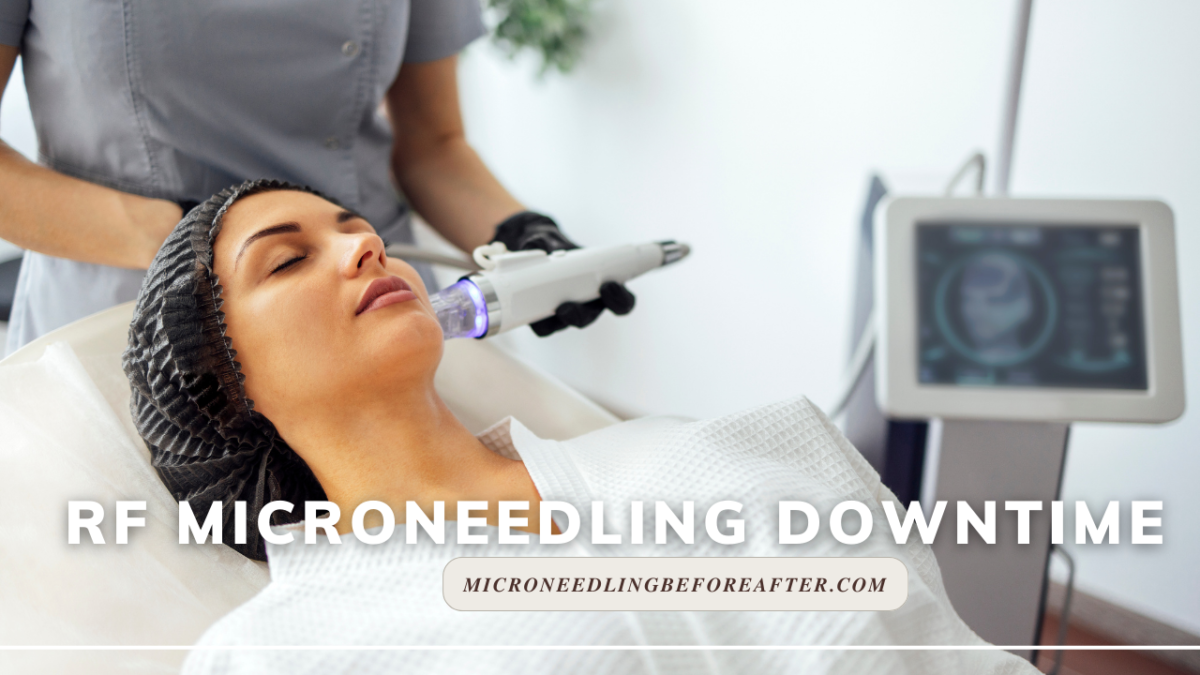
Rf Microneedling Downtime

Learn about the downtime associated with Rf Microneedling treatments. Understand factors, typical recovery periods & ways to manage downtime effectively.

Rf Microneedling Downtime
When it comes to undergoing rf microneedling treatments, one of the key factors to consider is the downtime associated with the procedure. Understanding how much downtime to expect can help you plan accordingly and ensure a smooth recovery process. In this article, I will discuss the typical rf microneedling downtime, factors that can affect it, and how to best manage and minimize it.

What is Rf Microneedling Downtime?
Rf microneedling, also known as radiofrequency microneedling, is a minimally invasive cosmetic procedure that utilizes a combination of microneedling and radiofrequency energy to target various skin concerns such as wrinkles, fine lines, acne scars, and uneven skin texture. Downtime refers to the period of time following the treatment when you may experience side effects such as redness, swelling, and skin sensitivity.

Understanding the expected downtime associated with rf microneedling can help you prepare for the recovery process and manage your expectations in terms of when you can resume your normal activities.

Factors That Can Affect Rf Microneedling Downtime
Several factors can influence the duration and severity of rf microneedling downtime. It’s important to consider these factors when planning for your procedure:

Treatment Intensity: The intensity of the rf microneedling treatment can affect the level of downtime you experience. Higher intensity treatments may result in more significant side effects and a longer recovery period.

Skin Sensitivity: Individuals with sensitive skin may experience more pronounced side effects and a longer downtime compared to those with less sensitive skin.

Skin Type: Different skin types react differently to rf microneedling treatments. Darker skin tones may be more prone to post-treatment hyperpigmentation, which can extend the downtime.

Preparation and aftercare: Proper preparation before the procedure and diligent aftercare following the treatment can help minimize downtime and promote faster healing.

Considering these factors can help you better understand how your individual characteristics and choices may impact the downtime associated with rf microneedling.

Typical Rf Microneedling Downtime
The typical downtime associated with rf microneedling can vary from person to person and depends on the factors mentioned above. In general, here is what you can expect in terms of downtime following the procedure:

Redness: Mild to moderate redness of the treated area is common immediately after rf microneedling and may persist for a few days.

Swelling: Swelling, particularly around the eyes and cheeks, may occur post-treatment and usually subsides within a few days.

Skin Sensitivity: The treated skin may feel sensitive, tight, or slightly uncomfortable for a few days following rf microneedling.

Peeling: Some individuals may experience mild peeling of the skin a few days after the treatment as the skin undergoes the healing process.

While these are general guidelines, your actual downtime may vary based on your unique characteristics and how well you follow the recommended aftercare instructions.

Managing Rf Microneedling Downtime
While some downtime is expected following rf microneedling, there are steps you can take to manage and minimize it:

Follow Aftercare Instructions: Be sure to carefully follow the post-treatment instructions provided by your skincare professional. This may include using specific skincare products, avoiding direct sunlight, and refraining from certain activities for a period of time.

Keep Skin Hydrated: Keeping your skin well-hydrated can help promote healing and reduce the appearance of dryness or peeling.

Avoid Harsh Products: During the downtime period, avoid using harsh skincare products or treatments that could irritate the skin or interfere with the healing process.

Protect Your Skin: Protect your skin from the sun by wearing a broad-spectrum sunscreen with SPF 30 or higher and avoiding prolonged sun exposure.

By following these tips and recommendations, you can help ensure a smooth recovery process and minimize the downtime associated with rf microneedling.

Conclusion
In conclusion, understanding rf microneedling downtime is an important aspect of preparing for and undergoing this popular cosmetic procedure. By considering factors that can affect the downtime, knowing what to expect in terms of typical recovery periods, and following recommended aftercare practices, you can help manage and minimize the downtime associated with rf microneedling.

If you are considering rf microneedling treatment, consulting with a qualified skincare professional can provide you with personalized advice and guidance on how to best prepare for and recover from the procedure. Remember that everyone’s skin is unique, and your individual characteristics may influence the duration and severity of downtime you experience. By being informed and proactive, you can enjoy the benefits of rf microneedling while minimizing any temporary side effects.

Microneedling Loose Skin

Looking to improve loose skin? Learn about microneedling, its benefits, risks, and aftercare to make an informed decision. Get smooth, firm skin now!

Introduction
Microneedling is a popular aesthetic procedure that has been gaining attention for its ability to improve the appearance of loose skin. As someone who is considering microneedling for loose skin, it is important to understand how the procedure works, its benefits, potential risks, and what to expect during and after the treatment. In this article, I will provide you with a comprehensive guide to microneedling loose skin to help you make an informed decision.

What is Microneedling?
Microneedling, also known as collagen induction therapy, is a minimally invasive cosmetic procedure that involves creating tiny punctures in the skin using a device called a dermaroller or a microneedling pen. These micro-injuries stimulate the body’s natural healing processes, leading to the production of collagen and elastin, which are essential proteins for skin firmness and elasticity.

Microneedling can be performed in a medical office or a spa setting by a trained professional. The procedure is relatively quick and well-tolerated by most individuals. It is often used to address a variety of skin concerns, including fine lines, wrinkles, acne scars, hyperpigmentation, and, of course, loose skin.

How Does Microneedling Help with Loose Skin?
Loose skin, also known as skin laxity, is a common concern that occurs with aging, weight loss, sun damage, and other factors. When the skin loses its firmness and elasticity, it can appear saggy and wrinkled. Microneedling can help improve the appearance of loose skin by promoting collagen and elastin production, which helps tighten and firm the skin.

The micro-injuries created during the microneedling process trigger the body’s wound healing response, leading to the formation of new collagen and elastin fibers. Over time, this results in smoother, firmer, and more youthful-looking skin. Additionally, microneedling can help enhance the penetration and effectiveness of skincare products, further improving skin quality.

Benefits of Microneedling for Loose Skin
There are several benefits to undergoing microneedling for loose skin, including:

– Improved Skin Firmness and Elasticity
Microneedling stimulates collagen and elastin production, leading to tighter and more elastic skin. This can help reduce the appearance of sagging and wrinkles, resulting in a more youthful complexion.

– Minimally Invasive
Microneedling is a minimally invasive procedure that requires little to no downtime. Most individuals can resume their normal activities immediately after treatment, making it a convenient option for those with busy schedules.

– Safe for All Skin Types
Microneedling is safe for all skin types and tones, making it a versatile option for individuals with diverse skin concerns. It is also suitable for sensitive skin, as the procedure can be customized to meet individual needs.

– Long-Lasting Results
With multiple sessions spaced several weeks apart, microneedling can provide long-lasting results. The increase in collagen and elastin production continues over time, leading to gradual improvements in skin texture and tone.

– Versatile Treatment
In addition to addressing loose skin, microneedling can help improve the overall quality of the skin by reducing fine lines, acne scars, and hyperpigmentation. It can be combined with other treatments for enhanced results.

What to Expect During a Microneedling Treatment
Before undergoing a microneedling treatment, it is essential to consult with a qualified skincare professional to assess your skin concerns and determine if microneedling is the right option for you. During the consultation, be sure to discuss your medical history, skincare routine, and expectations for the treatment.

On the day of the microneedling procedure, you can expect the following steps:

1. Cleansing and Numbing
The treatment area will be cleansed to remove any makeup, dirt, or oils. A numbing cream may be applied to minimize discomfort during the procedure. The numbing cream is typically left on for about 30 minutes to ensure the skin is adequately numbed.

2. Microneedling
Once the skin is prepped and numb, the skincare professional will begin the microneedling procedure using a dermaroller or microneedling pen. The device will be gently rolled or moved across the skin in a controlled manner to create micro-injuries. The depth and speed of the needles can be adjusted based on the specific skin concerns being addressed.

3. Post-Treatment Care
After the microneedling treatment, the skin may appear red and slightly inflamed, similar to a mild sunburn. This is a normal response to the micro-injuries created during the procedure. Your skincare professional may apply a soothing serum or moisturizer to help calm the skin and enhance healing. It is essential to follow any post-treatment instructions provided by the professional to ensure optimal results and minimize the risk of complications.

4. Recovery and Results
Most individuals experience mild redness, swelling, and sensitivity in the days following a microneedling treatment. These side effects typically subside within a few days, with full results becoming visible over the following weeks as collagen and elastin production increases. Multiple sessions are usually recommended to achieve the best outcomes for loose skin.

Potential Risks and Side Effects of Microneedling
While microneedling is considered a safe and effective procedure for most individuals, there are some potential risks and side effects to be aware of, including:

– Redness and Swelling
It is normal to experience redness and swelling immediately after a microneedling treatment. These side effects usually resolve within a few days but can be more pronounced for some individuals.

Skin Sensitivity
The skin may feel sensitive and tender following microneedling, especially for individuals with sensitive skin. It is essential to avoid using harsh skincare products and sun exposure during the recovery period.

– Risk of Infection
There is a small risk of infection with microneedling if proper post-treatment care is not followed. It is crucial to keep the treated area clean and avoid touching it with unwashed hands to reduce the risk of infection.

– Hyperpigmentation
Individuals with a history of hyperpigmentation may be at risk of developing dark spots or uneven skin tone following microneedling. Sun protection and proper skincare are essential to minimize this risk.

– Scarring
In rare cases, microneedling can lead to scarring, especially if the treatment is performed by an inexperienced or unqualified provider. It is crucial to choose a reputable skincare professional for microneedling treatments to minimize the risk of complications.

It is essential to discuss any concerns or questions about microneedling with your skincare professional before undergoing the procedure. By understanding the potential risks and side effects, you can make an informed decision about whether microneedling is the right choice for your loose skin concerns.

Aftercare Tips for Microneedling
Proper aftercare is essential to ensure optimal results and minimize the risk of complications following a microneedling treatment. Here are some aftercare tips to help you care for your skin post-treatment:

– Keep the Skin Clean
It is essential to keep the treated area clean and avoid touching it with dirty hands to reduce the risk of infection. Use a gentle cleanser and lukewarm water to cleanse the skin, and pat it dry with a clean towel.

– Moisturize Regularly
After microneedling, the skin may feel dry and tight. Apply a gentle, non-comedogenic moisturizer to keep the skin hydrated and promote healing. Avoid using heavy or oily products that can clog pores and irritate the skin.

– Avoid Sun Exposure
Sun exposure can worsen inflammation, hyperpigmentation, and other side effects following microneedling. It is crucial to avoid direct sunlight and wear sunscreen with at least SPF 30 to protect the skin from UV damage.

– Limit Exfoliation
Avoid using harsh exfoliants, scrubs, or chemical peels on the treated area for at least one week after microneedling. These products can irritate the skin and interfere with the healing process.

– Follow Post-Treatment Instructions
Your skincare professional will provide you with specific post-treatment instructions tailored to your skin type and concerns. It is essential to follow these instructions carefully to maximize the benefits of microneedling and ensure a safe recovery.

By following these aftercare tips and staying in touch with your skincare professional, you can optimize the results of your microneedling treatment and maintain healthy, youthful-looking skin.

Conclusion
Microneedling is a highly effective and versatile treatment for improving loose skin, fine lines, wrinkles, acne scars, and other skin concerns. By stimulating collagen and elastin production, microneedling promotes firmer, tighter, and more youthful-looking skin over time. While the procedure is generally safe and well-tolerated, it is essential to consult with a qualified skincare professional and follow proper aftercare to achieve optimal results and minimize the risk of complications.

If you are considering microneedling for loose skin, be sure to research reputable providers, ask questions, and discuss your expectations during a consultation. With the right guidance and care, microneedling can help you achieve smoother, more radiant skin and boost your confidence in your appearance.

en_USEnglish